


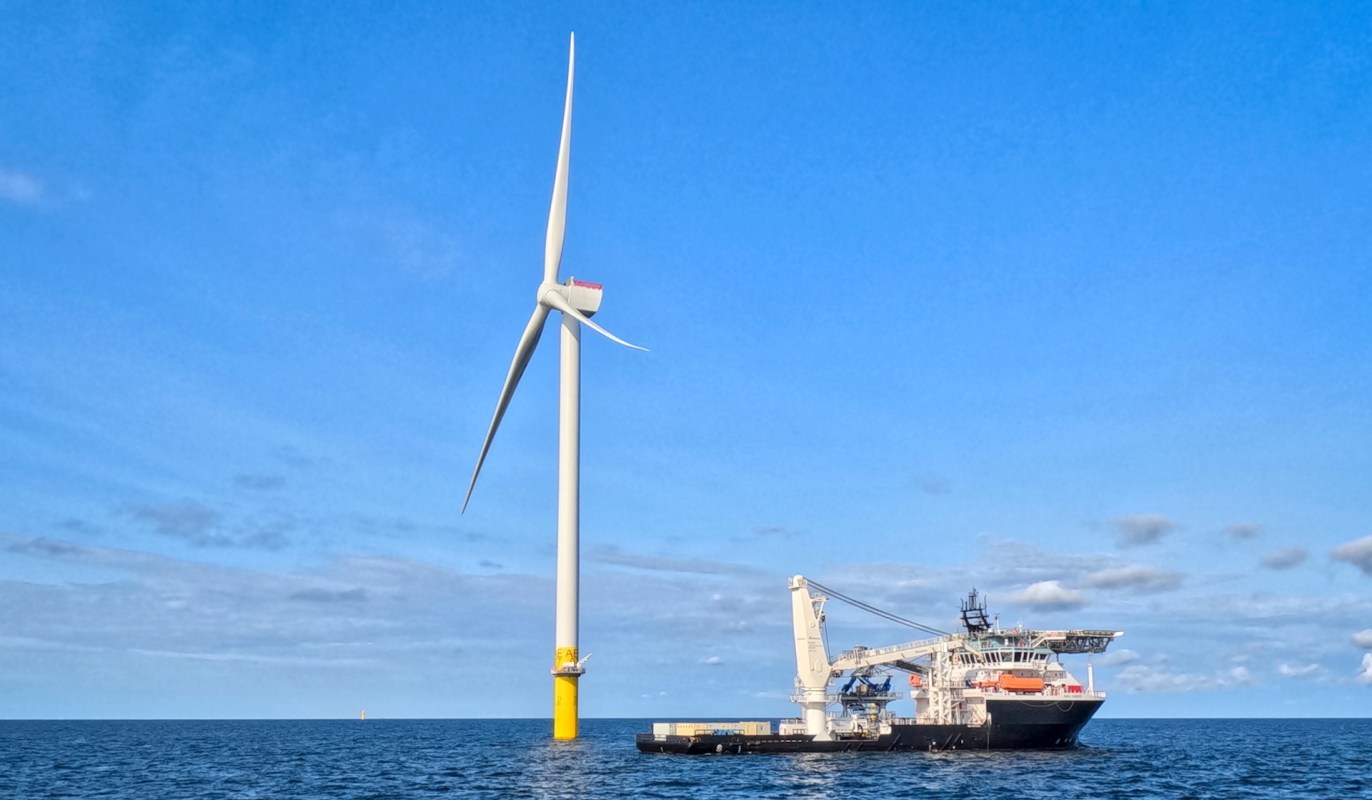
After President Donald Trump's administration agreed to give back nearly $4 billion to offshore wind developers that walked away from federal leases, states on the East and West coasts went to court.
For places expecting more electricity, new jobs, and cleaner air, those agreements could slow the expansion of an important power source as energy demand rises.
Here's what to know
According to Canary Media, the administration has been returning lease payments to large energy companies when they drop offshore wind plans, sometimes alongside shifts in spending toward fossil fuel infrastructure.
California is the eighth state to sue over that policy.
At the center of its case is Golden State Wind, which paid $120 million in 2022 for a lease off California's Central Coast and had proposed a 2-gigawatt floating offshore wind project near Morro Bay. In late April, the federal government agreed to refund the payment, and the developer said it would put an equal amount into U.S. liquefied natural gas facilities and other fossil fuel projects.
California Attorney General Rob Bonta and the California Energy Commission say the arrangement is "blatantly unlawful." They argue it weakens state investment in a clean energy business that could cut pollution and create jobs.
TCD Picks » Quince Spotlight
💡These best-sellers from Quince deliver affordable, sustainable luxury for all




More background
These lawsuits carry extra weight because offshore wind was already under strain before the buyouts began, with high inflation, rising interest rates, and supply-chain troubles all causing problems.
Despite that, coastal states have continued to see offshore wind as an important way to strengthen stressed electric grids with reliable power while also generating economic opportunity.
On the Energy Institute Blog, UC Berkeley business professor James Sallee said paying developers to abandon struggling projects amounts to spending taxpayer money "to shoot a corpse."
Opponents have also challenged the funding mechanism, arguing the federal government may not be allowed to use the Judgment Fund in this way. California's lawsuit says that fund was meant to resolve lawsuits, not to pay for voluntary lease-cancellation deals.
When Royal Dutch Shell surrendered offshore leases near Alaska in 2022, it took the $2.1 billion loss rather than getting reimbursed.
A pullback in offshore wind could leave states with fewer construction and port jobs, slower reductions in harmful air pollution, and fewer power-supply choices that officials hope will help keep electricity reliable and affordable.
What's being done?
California's lawsuit is one of several challenges.
Another case, brought by New York and six other Democratic-led states, is still proceeding in federal court over a $795 million agreement with TotalEnergies involving a lease near New York and New Jersey. That project was expected to produce more than 3 gigawatts of offshore wind power and help provide electricity to more than a million homes.
Congress is also seeking more information. Representative Jared Huffman of California, the ranking Democrat on the House Natural Resources Committee, said he would broaden an existing investigation after reporting connected one of the administration's agreements to a private equity fund run by a Trump donor.
States are trying to protect what progress the industry still has. Offshore wind projects already operating have helped the grid during extreme weather, and additional capacity is still projected to come online.
If the lawsuits succeed, states may be able to keep more future projects alive.
California officials say the case is about defending a cleaner energy future and the jobs they believe it brings.
California Energy Commission Chair David Hochschild said, "We will not let the Trump administration's reckless actions turn back the clock."
Where can I learn more?
This fight goes beyond a single lawsuit. The articles below examine how California and Northeast states are pushing back on payouts as federal decisions continue to reshape leasing and major offshore wind projects.
• California officials vowed suit over Trump deal killing offshore wind and favoring oil and gas.
• Northeast attorneys general called a sham deal over a payout tied to New York-New Jersey leases.
• California regulators are trying to unlock 200 gigawatts of offshore wind despite federal resistance.
Each of these stories shows how quickly policy decisions can change the industry's direction. That helps explain why states see the current lawsuits as a high-stakes fight over jobs, power supply, and pollution.

Get TCD's free newsletters for easy tips, smart advice, and a chance to earn $5,000 toward home upgrades. To see more stories like this one, change your Google preferences here.






