


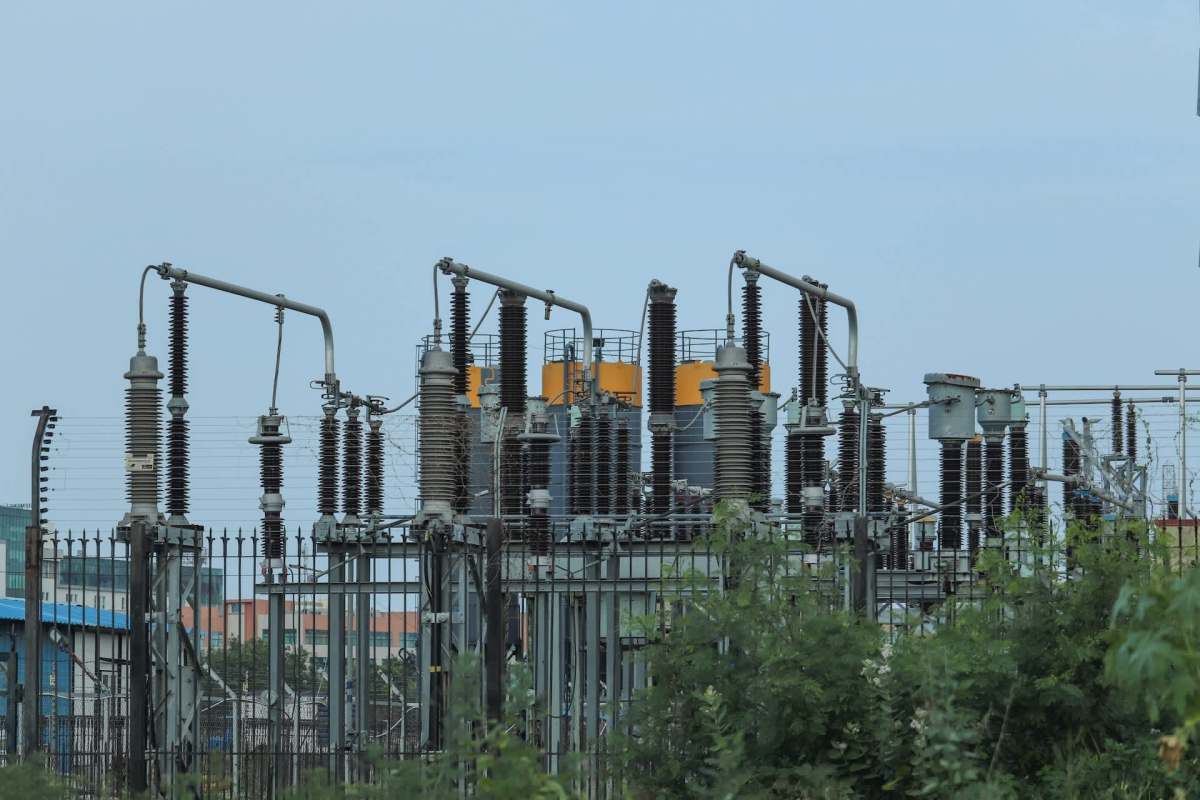
India's plan to convert aging power plants into nuclear facilities has triggered opposition in Raichur, Karnataka, where residents already struggling with pollution fear a nuclear conversion will compound their health concerns.
What's happening?
A committee from India's Union Ministry of Power visited the Raichur Thermal Power Station, according to a report from The Deccan Herald. The visit was part of a national effort to assess whether older coal plants could be repurposed for nuclear power generation.
The government wants to convert at least 10 aging thermal stations into nuclear facilities, since they already have the existing land, water access, and grid infrastructure needed. India hopes to generate 100 gigawatts of nuclear capacity by 2047 — up from the current 8.8 gigawatts.
However, the visit was met with backlash. Many locals and organizations are protesting over health and safety concerns.
Why is nuclear power concerning?
Locals have already been saying for years that discharge and fly ash from established coal-powered plants have been harming their health. Many are concerned that transitioning to nuclear facilities not only doesn't address their health concerns but will add to them.
Basavaraj Kalasa, leader of the Raichur District Civic Forum, said locals have been asking for an All India Institute of Medical Sciences for over 1,300 days.
TCD Picks » Quince Spotlight
💡These best-sellers from Quince deliver affordable, sustainable luxury for all




"Instead of providing us a healing touch by establishing an advanced medical facility, the Union government intends to add more poison to the region by setting up a hazardous nuclear power plant," he said.
Nuclear power is a complex topic in the clean energy transition. On one hand, it can generate large amounts of electricity with very low direct carbon pollution, helping reduce reliance on polluting fuels like coal and oil while also stabilizing energy grids.
On the other hand, nuclear projects come with steep upfront costs and long timelines. Plus, managing radioactive waste is a challenge, and there are credible safety fears about nuclear accidents, such as what happened in Chernobyl, Ukraine.
In communities already dealing with health and environmental impacts from coal plants, the thought of a nuclear plant moving in can be worrisome — despite experts debunking many myths about nuclear energy.
|
Which of these savings plans for rooftop solar panels would be most appealing for you?
Click your choice to see results and speak your mind. |
 Save $1,000 this year 💸
 What's being done about this?
RTPS executive director Ramesh H R said the visit doesn't necessarily mean confirmed plans.
"There is no need for locals to fear, as the possibility of setting up a nuclear power plant — even if the site satisfies all conditions — is still far off," he assured.
"It would take at least a decade to complete the initial processes, including preparation of the detailed project report and commencement of work."

Get TCD's free newsletters for easy tips to save more, waste less, and make smarter choices — and earn up to $5,000 toward clean upgrades in TCD's exclusive Rewards Club.






