


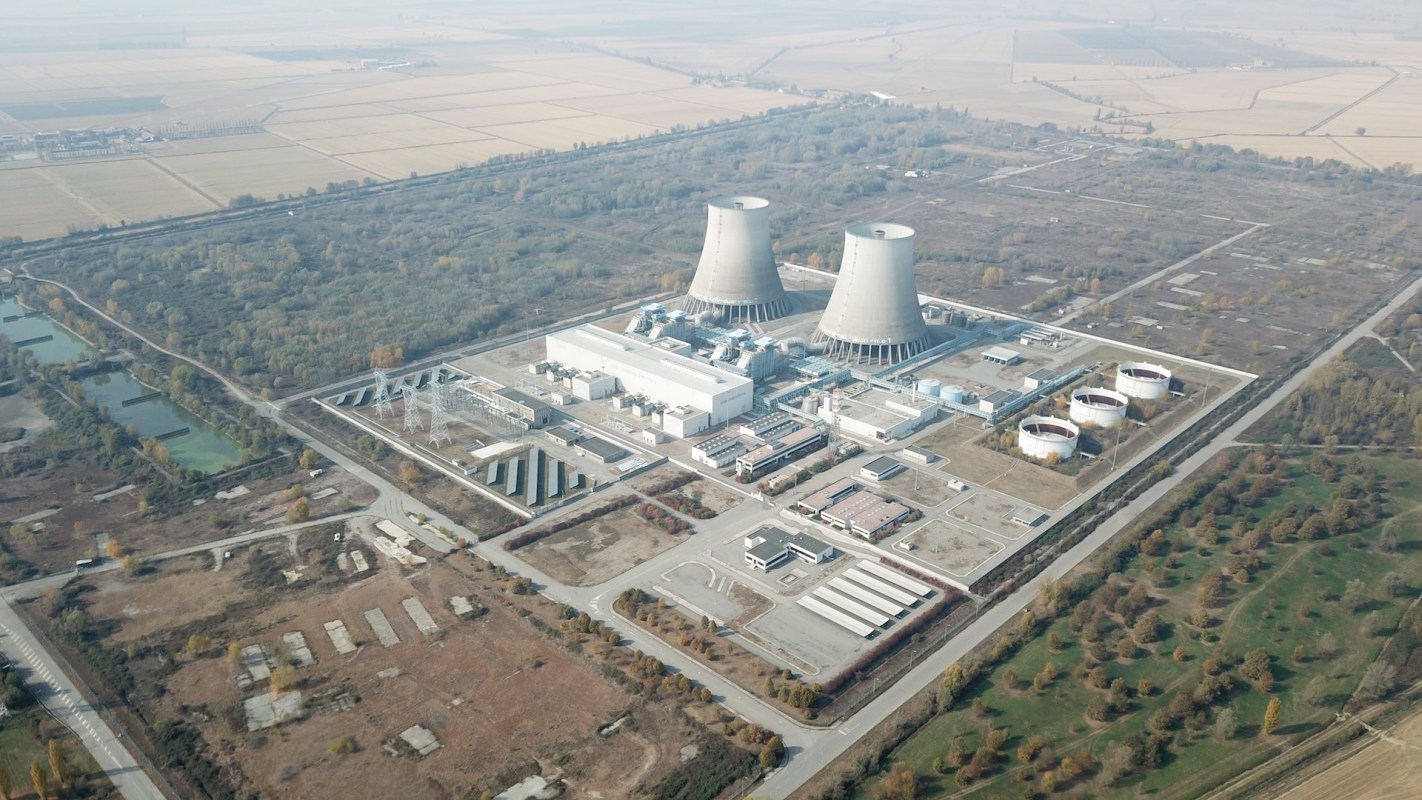
Italy's Energy Minister, Gilberto Pichetto Fratin, is taking a no-nonsense approach to the country's stance on nuclear energy, stating to Reuters: "Italy is ready to return to nuclear power, a crucial choice that will not replace renewables but will complement them."
It's an interesting reversal, especially considering Italy's blanket ban on nuclear energy that's been in place for nearly four decades. Thanks to the Three Mile Island meltdown and the Chernobyl disaster, public pressure helped force the move back in the mid-1980s.
The entertainment industry and long-term public perceptions have done much to restrict the advancement of nuclear energy, despite the level of safety measures and protective technologies that exist today.
Italy's estimates are staggering, even if nuclear energy is only a little over one-tenth of the country's energy infrastructure. Over the next 25 years, upward of €17 billion ($17.8 billion) is the estimated savings in decarbonization costs.
Stateside, the nuclear energy sector is looking up. The Inflation Reduction Act offers significant incentives via nuclear energy production tax credits for existing facilities. The Bipartisan Infrastructure Law allocates funding for small, modular nuclear reactor technology demonstrations.
The ADVANCE Act enhances U.S. civil nuclear leadership, strengthening the supply chain, and easing the licensing requirements for advanced nuclear technologies.
TCD Picks » Quince Spotlight
💡These best-sellers from Quince deliver affordable, sustainable luxury for all




Lastly, the Nuclear Fuel Security Act is fueling (pun intended) domestic enrichment capabilities. Clean energy technology is a must, especially with 60% of the U.S. and 80% of the world relying on dirty energy sources as of 2023.
A single kilogram of uranium-235 can theoretically generate 2,000,000 times more energy than a kilogram of coal, without the pollution. Nuclear also has an operating capacity of over 90%, while coal sits somewhere between 60% and 70%.
Honestly, it's kind of a no-brainer, with the largest resisting force being the perceptions of the people and, in many instances, the dirty energy industry. Some dirty energy companies have diversified into nuclear or renewable energies, likely reading the writing on the wall.
|
What's your biggest concern about nuclear energy?
Click your choice to see results and speak your mind. |
 The possibility of meltdowns ☢️
 As far as Italy is concerned, there is already a degree of coordination with the U.S. Westinghouse proposed utilizing old Italian nuclear sites to facilitate the construction of the aforementioned small, modular reactors. Of course, things are still in the planning and talking stage, so it remains to be seen.
In the meantime, a greener future is reliant on partnerships, cooperation on which Pichetto Fratin was clear: "The scale of investment in nuclear power requires cooperation with several international players."

Join our free newsletter for good news and useful tips, and don't miss this cool list of easy ways to help yourself while helping the planet.






