


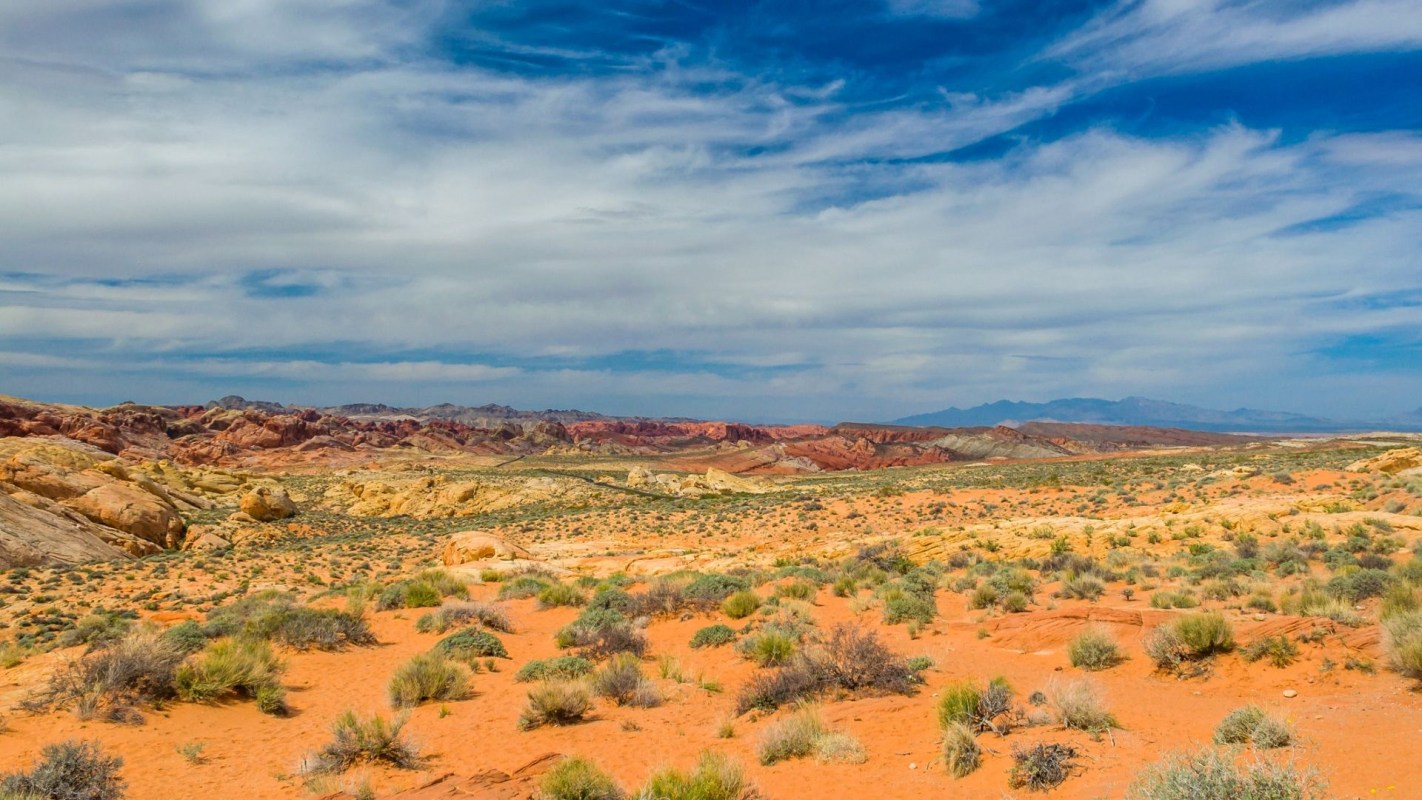
Northern Nevada is quickly becoming a boomtown for artificial intelligence infrastructure. What is being marketed as the backbone of the digital economy is also reviving a familiar conflict: Who gets to control land, water, and power, and how much strain local communities should absorb in the name of economic growth.
What's happening?
Sierra Nevada Ally reported that Northern Nevada is now among the country's fastest-growing data center markets. Companies are being drawn in by large industrial parcels, lower costs than California, proximity to Silicon Valley, and state tax incentives that reduce development costs.
Around Reno and the Tahoe-Reno Industrial Center — a sprawling industrial zone larger than the city of Denver — tech giants including Google, Microsoft, Apple, and Switch have established a major presence with more than 40 facilities.
Tesla's Gigafactory sits in the same corridor. Supporters say the buildout could make Nevada a central player in the next phase of computing. Critics say the region's limited resources are being pushed by an industry that consumes too much.
Data centers are also costly. Industry estimates put construction costs at roughly $10 million to $12 million per megawatt, which means even a mid-sized project can exceed $100 million before it opens.
These concerns have pushed the issue into local politics. As Sierra Nevada Ally reported, on May 14, Reno's City Council voted for a temporary 30-day halt on new conditional-use permits for data centers after hours of public comment from residents and Water Over Data Alliance organizers. Much of the testimony focused on water use, electricity demand, and the need for stronger involvement with Tribal Nations for decisions affecting the region.
TCD Picks » Quince Spotlight
💡These best-sellers from Quince deliver affordable, sustainable luxury for all




Why is Nevada's data center boom concerning?
Much of the American West is already facing long-term drought, shrinking snowpack, and intense competition over rivers and groundwater. In Northern Nevada, rising industrial demand is colliding with a tightly managed water system that already serves cities, agriculture, industry, and Tribal communities.
The Desert Research Institute has estimated that, based on projected growth and efficiency levels, regional data center water demand could climb to around 9,650 acre-feet annually, an amount Sierra Nevada Ally reported is greater than the yearly water use of about 27,600 U.S. households.
The energy side may be even more pressing. Sierra Nevada Ally noted that data centers already account for roughly 22% of Nevada's statewide electricity demand. Lake Tahoe residents were also told recently that they will have to find new providers due to data center demand.
As Sierra Nevada Ally noted, the Pyramid Lake Paiute Tribe's homeland is downstream from the industrial corridor, so added pressure on the Truckee River system raises cumulative-impact concerns in an already heavily allocated basin.
Nevada has offered generous tax incentives to attract data centers, but those facilities often create relatively few permanent jobs compared with their scale and resource use. If utilities expand transmission and generation capacity to serve them, critics worry that ordinary customers could eventually bear some of those costs through long-term rate increases.
Public skepticism also remains high. Sierra Nevada Ally also reported recent polling showing that about seven in 10 Americans do not want AI data centers built in their own communities.
What's being done about data centers?
Local officials are beginning to respond. Reno's temporary moratorium on new data center permits is one of the clearest signs yet that communities want more time to evaluate water, energy, and land-use impacts before approving additional projects. City leaders also said they would engage directly with Tribal Nations as sovereign governments.
Some facilities are adopting cooling technologies to reduce water use, while experts continue to study how the industry can be integrated into regional planning without overwhelming existing systems.
Residents can push for those rules by showing up at public meetings, asking utilities and elected officials who will pay for new infrastructure, and demanding clear standards on water use, grid impacts, and community benefits before permits are approved.

Get TCD's free newsletters for easy tips, smart advice, and a chance to earn $5,000 toward home upgrades. To see more stories like this one, change your Google preferences here.






