


North Texas is experiencing a punishing stretch of heat, with temperatures climbing well into the triple digits and little relief in sight. For households across Dallas-Fort Worth, that means more than simple discomfort — it can also bring higher power bills, tougher working conditions, and greater health risks.
Here's what to know
A heat advisory was in effect Monday as North Texas stayed under a stubborn dome of high pressure, continuing into Friday and expected to remain until at leas the middle of next week.
According to Fox 4, afternoon highs on each day this week have been expected to reach 102 to 106 degrees, well above the seasonal average high of 96. Most of the region was also expected to stay dry, with only limited rain chances for counties near the Red River.
The only break in the pattern was lower humidity. Fox 4 reported that dew points in the 50s could make the air feel less muggy but that drier air, along with south-southwest winds around 10 to 12 mph, increased wildfire risk.
Forecasters also tracked a second front, but it was not expected to produce much rainfall. Even with a slight cooldown, Fox 4 said highs were still forecast to stay near 101 degrees before high pressure came back.
More background
Heat that lasts for several days can drive up the cost of staying cool. When temperatures remain around 100 degrees, air conditioners tend to run longer and more often, raising household electricity use. Across Texas, that extra demand can push the power system to peak levels as millions of people try to cool their homes.
TCD Picks » Quince Spotlight
💡These best-sellers from Quince deliver affordable, sustainable luxury for all




Worsening extreme weather disasters can pose a risk on multiple levels. They strain economic stability when families face larger energy bills, businesses deal with disruptions, and communities are forced to spend on emergency response and public health protections.
As for extreme heat, it raises the risk of heat illness, dehydration, and workplace exposure, especially for outdoor workers, older adults, and people without reliable cooling.
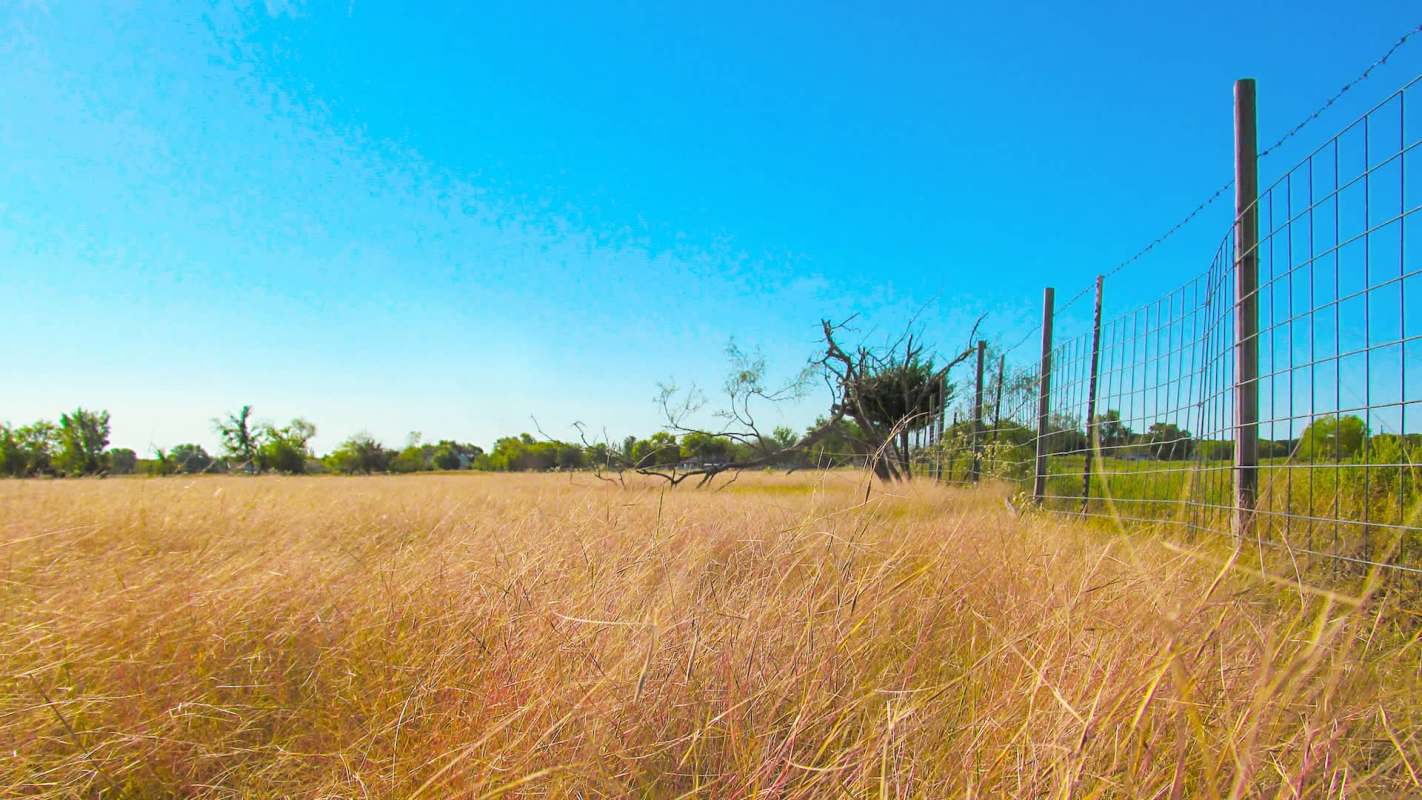
The ongoing dryness creates a separate hazard. Vegetation can become wildfire fuel even without strong winds, so small sparks can carry more risk. With little rainfall expected, that danger was not likely to ease.
What can be done?
Residents can reduce heat risks by avoiding strenuous outdoor activity during the hottest part of the day, drinking water regularly, checking on older neighbors and relatives, and never leaving children or pets inside vehicles.
People can also take steps to ease the financial strain of a prolonged heat wave.
Raising the thermostat a few degrees when it is safe to do so, using fans to improve airflow (as long as indoor temperatures are less than 90 degrees), closing blinds during peak sunlight, and avoiding heat-producing appliances during the hottest hours can all cut electricity use.
Anyone spending time outdoors should stay alert for symptoms of heat exhaustion, which include dizziness, headache, nausea, and heavy sweating. When fire danger is elevated, it is wise to avoid activities that could ignite dry grass or brush.

Get TCD's free newsletters for easy tips, smart advice, and a chance to earn $5,000 toward home upgrades. To see more stories like this one, change your Google preferences here.






