


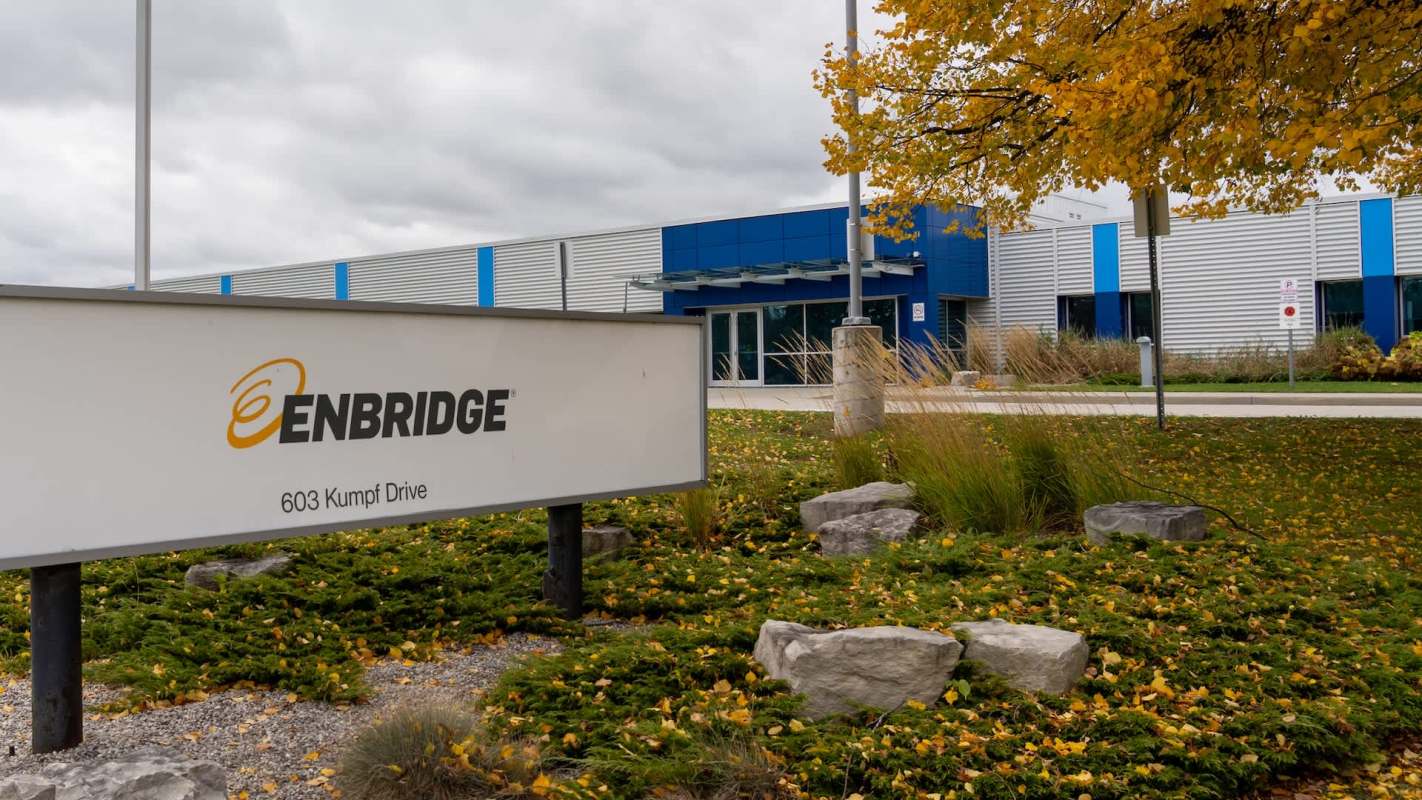
What began as survey notices for a proposed 28-mile natural gas line in central North Carolina has grown into a broader fight over property rights, industrial expansion, and who gets to influence the future of a fast-changing rural county.
At a June 24 discussion highlighted by the Chatham Journal, one Chatham County landowner and environmental scientist, John Alderman, told residents not to dismiss letters or calls from Enbridge Gas North Carolina and its agents.
What's happening?
The Canadian pipeline giant, Enbridge, says its North Carolina expansion project would increase gas capacity to serve more people in Chatham and Lee counties.
But for landowners along the proposed path between the Siler City area and Moncure, the matter has become deeply personal.
Alderman explained that a survey notice can be the start of a longer process that may later bring easement talks, soil borings, and possible use of eminent domain under North Carolina law, per the Chatham Journal.
He warned that if Enbridge's project isn't challenged, the area could end up being a hub for commercial gas projects paired with data centers.
TCD Picks » Quince Spotlight
💡These best-sellers from Quince deliver affordable, sustainable luxury for all




The scientist also raised concerns about the route itself, arguing that Chatham County's rocky terrain, stream crossings, and proximity to farmland could make the project far more disruptive than it looks on a map. Alderman succinctly said, "Enbridge was basically out of its mind to choose a route like this."
Why does it matter?
Many residents worry the pipeline would do more than deliver gas, potentially making additional industrial development easier around Moncure and southeastern Chatham County.
Alderman said residents still want better answers about "public need," how the route was chosen, and whether the line could eventually serve major future users such as data centers, even though Enbridge has said it is not building the project for one specific customer.
Residents are responding by trying to stay organized and keep careful records. Alderman said landowners should use email whenever possible, save copies of letters and maps, and compare notes with neighbors so no one goes through the process alone.
He also pointed to possible review channels that could slow or more closely examine the proposal, including farmland protections, possible local hearings, and environmental permitting tied to water crossings. Streams, wetlands, and sensitive watersheds could become key flashpoints if the project moves forward.
For individual property owners, the advice was clear: do not ignore certified letters, and do not sign anything you do not fully understand.

Get TCD's free newsletters for easy tips, smart advice, and a chance to earn $5,000 toward home upgrades. To see more stories like this one, change your Google preferences here.






