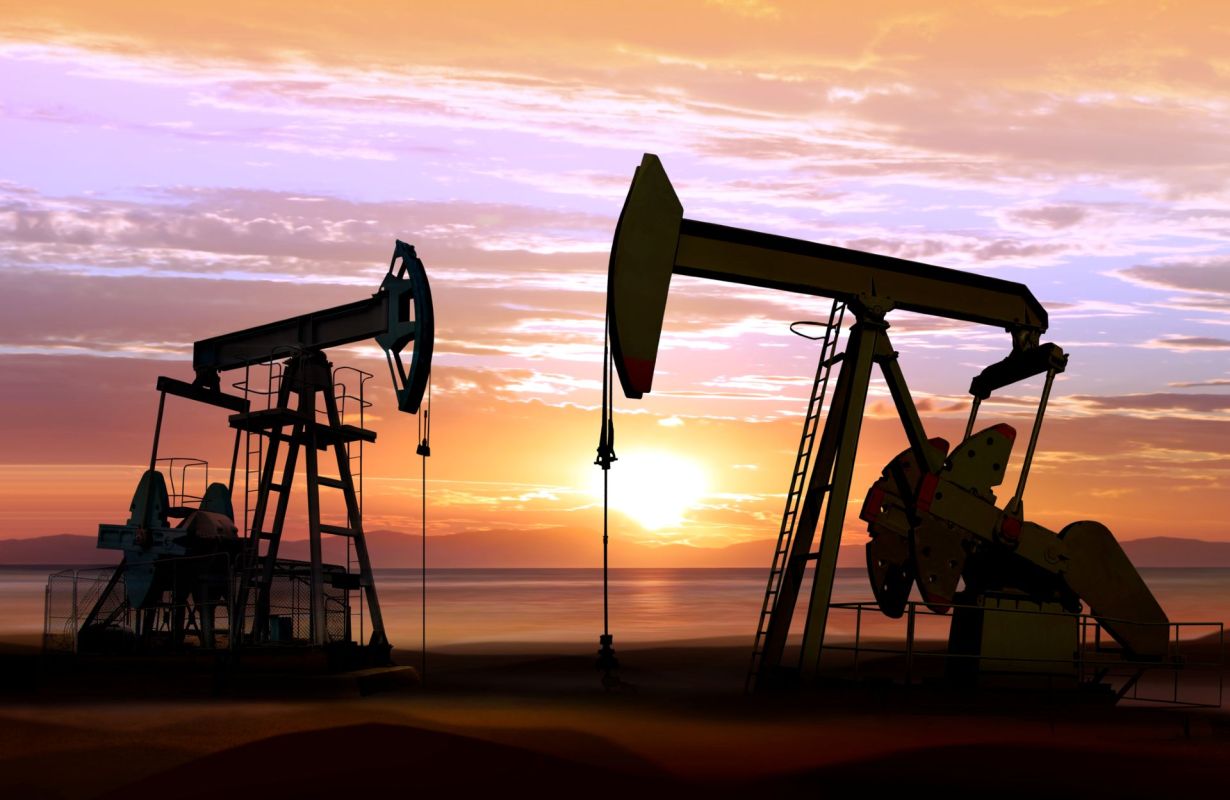
A mix of national security and conservation advocates says America's dependence on foreign oil can have consequences ranging from global conflict to the bills families pay each month.
During a notable roundtable hosted by Elected Officials to Protect America in Washington, D.C., Nigerian actress Yetide Badaki argued that sticking with fossil-fuel-focused policies does not bring affordability or stability and instead drives up costs and fuels conflict.
Here's what to know
According to Utah Public Radio, participants said countries that depend on oil and gas from politically unstable regions are more exposed to wars, supply shocks, and abrupt price increases.
Framing the issue in day-to-day terms, Badaki said, as the outlet reported, "Policies that double down on fossil fuels do not save money. They hike costs, trash our public health, and destabilize nations. Everyday people pay the price at the pump, on their utility bills, and in the air that they breathe."
For example, Badaki cited the war with Iran. Utah Public Radio reported that the Pentagon estimates fuel price hikes will cost at least $38 billion to $42 billion, while foreign policy experts at the roundtable said the conflict has increased Iran's ability to interfere with energy and fertilizer flows through the Strait of Hormuz.
Because fuel is embedded in transportation, power, and agricultural supply chains, threats to energy supplies can ripple outward and raise what families spend on gasoline, home energy, groceries, and other essentials.
TCD Picks » Quince Spotlight
💡These best-sellers from Quince deliver affordable, sustainable luxury for all




More background
Coal- and natural gas-fired power plants contribute to air and water pollution while also keeping many households tied to energy sources with volatile prices, rather than to more abundant power from sunlight and wind.
Speakers at the roundtable also framed the issue as one of national security. Paul Foster, a U.K. member of Parliament and Iraq War veteran, said, as quoted by Utah Public Radio, that Russia has attacked Ukraine's energy pipelines, prompting a push toward fully renewable power.
Critics also argue that fossil fuel industry lobbying continues to delay cleaner, cheaper energy solutions that could better shield families from these risks. Policies that favor expanded drilling and weaken support for renewables can slow the rollout of technologies that reduce both pollution and exposure to fuel price swings.
President Donald Trump's administration has moved to halt offshore wind projects while opening new opportunities for fossil fuel drilling. Utah Public Radio also noted that financial assurances tied to federal oil drilling could be made far less expensive, leaving taxpayers to cover cleanup costs later.
What's being done?
Advocates at the roundtable said one solution is to expand distributed clean energy and battery storage so communities are less exposed to global fuel disruptions. Alex Cornell du Houx, head of Elected Officials to Protect America, a Marine veteran and former Maine state lawmaker, said the economics are shifting quickly.
"Batteries went down 45% in cost last year. That's 93% since 2010. Solar has decreased in cost from over $100 a watt to less than ten cents a watt now," Cornell du Houx said as the outlet reported.
Utah Public Radio added that falling costs for battery storage and renewables have also been cited in findings from the International Renewable Energy Agency and industry groups.
Cleaner power was not only an environmental goal but also a strategic one. As Foster put it, "Every wind turbine erected, every solar panel array deployed is a direct strike against the geopolitical leverage of hostile regimes. Unlike gas, nobody can ration the wind. Nobody can turn off the sun."

Get TCD's free newsletters for easy tips, smart advice, and a chance to earn $5,000 toward home upgrades. To see more stories like this one, change your Google preferences here.