


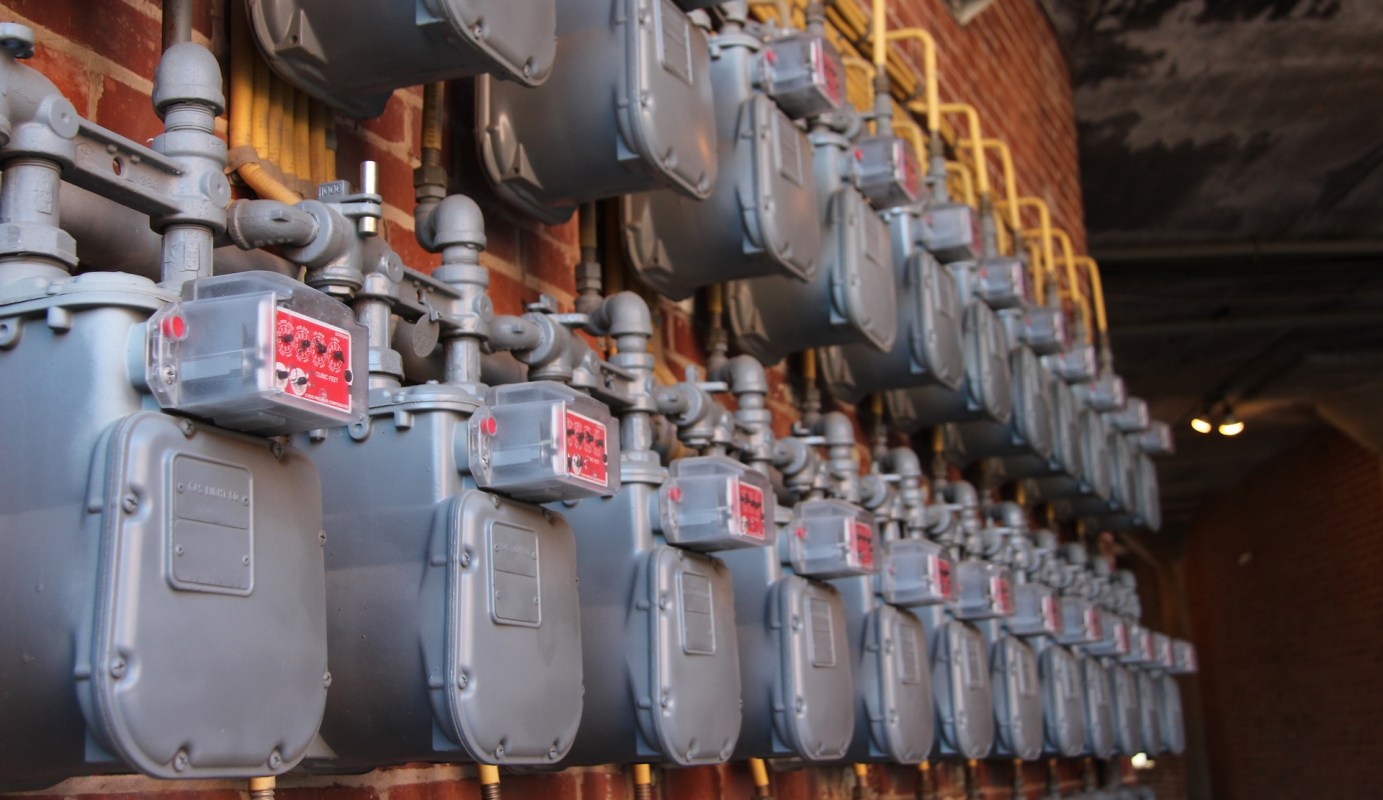
New York officials are scrutinizing estimated utility bills, a recurring source of frustration for many households.
As Finger Lakes Daily News reported, the statewide inquiry could result in customer refunds, penalties, or stricter standards for utilities that keep using estimates when actual meter readings should be possible.
What's happening?
The New York State Public Service Commission announced in a press release that it has started a case focused on how electric, gas, steam, and water providers come up with and send out estimated bills.
The move came after Gov. Kathy Hochul directed the Department of Public Service last December to assess whether the current system needs to be changed.
"It is a basic requirement for utilities to provide accurate bills to their customers," Commission Chair Rory M. Christian said in the release. "Gov. Hochul's direction to review estimated billing practices of the state's utilities will further her broader energy agenda to improve affordability and customer experience."
Regulators plan to look at the share of bills based on estimates, whether the process utilities use is both reliable and easy for customers to understand, and whether smart-meter deployment has made estimates less necessary.
TCD Picks » Quince Spotlight
💡These best-sellers from Quince deliver affordable, sustainable luxury for all




Utilities are allowed to estimate bills in limited circumstances, such as severe weather or times when a meter cannot be accessed for a reading.
Even so, the commission said some providers may be leaning on estimated billing more than they need to, whether by using it too frequently or continuing it for longer than warranted.
Within 30 days, every utility and municipal system covered by the review must file detailed information, including the authority it uses to estimate bills, its process for getting actual meter readings, the number of estimated bills issued over the last 10 years, and the number of smart meters in service across its territory during that period.
Why does it matter?
Estimated bills can create real financial strain for households.
If a utility overestimates usage, customers may end up paying more than they should in the short term. If it underestimates usage, families can later be hit with a larger catch-up bill that throws off a monthly budget.
A bill that is hard to understand or based on something other than an actual reading can make it more difficult for people to plan their spending or catch errors.
The review also raises questions about whether utilities are keeping pace with modern metering tools.
Smart meters are often promoted as a way to improve accuracy and reduce the need for guesswork. If regulators find that estimated bills remain common even where better technology is available, the state could push for stricter accountability.
What's being done?
To support the review, the Public Service Commission has ordered utilities to provide 10 years of records so regulators can study trends, obstacles, and potential trouble spots.
Once those filings are in, Department of Public Service staff will have 180 days to draft a report for public comment, according to the release.
That report is supposed to cover how often utilities resort to estimated billing and for what reasons, how precise those calculations are, what stands in the way of obtaining real readings, and how much smart meters are changing the picture.
It is also expected to outline possible changes to billing practices and consider whether stronger limits, refunds for customers, or penalties are appropriate.

Get TCD's free newsletters for easy tips, smart advice, and a chance to earn $5,000 toward home upgrades. To see more stories like this one, change your Google preferences here.






