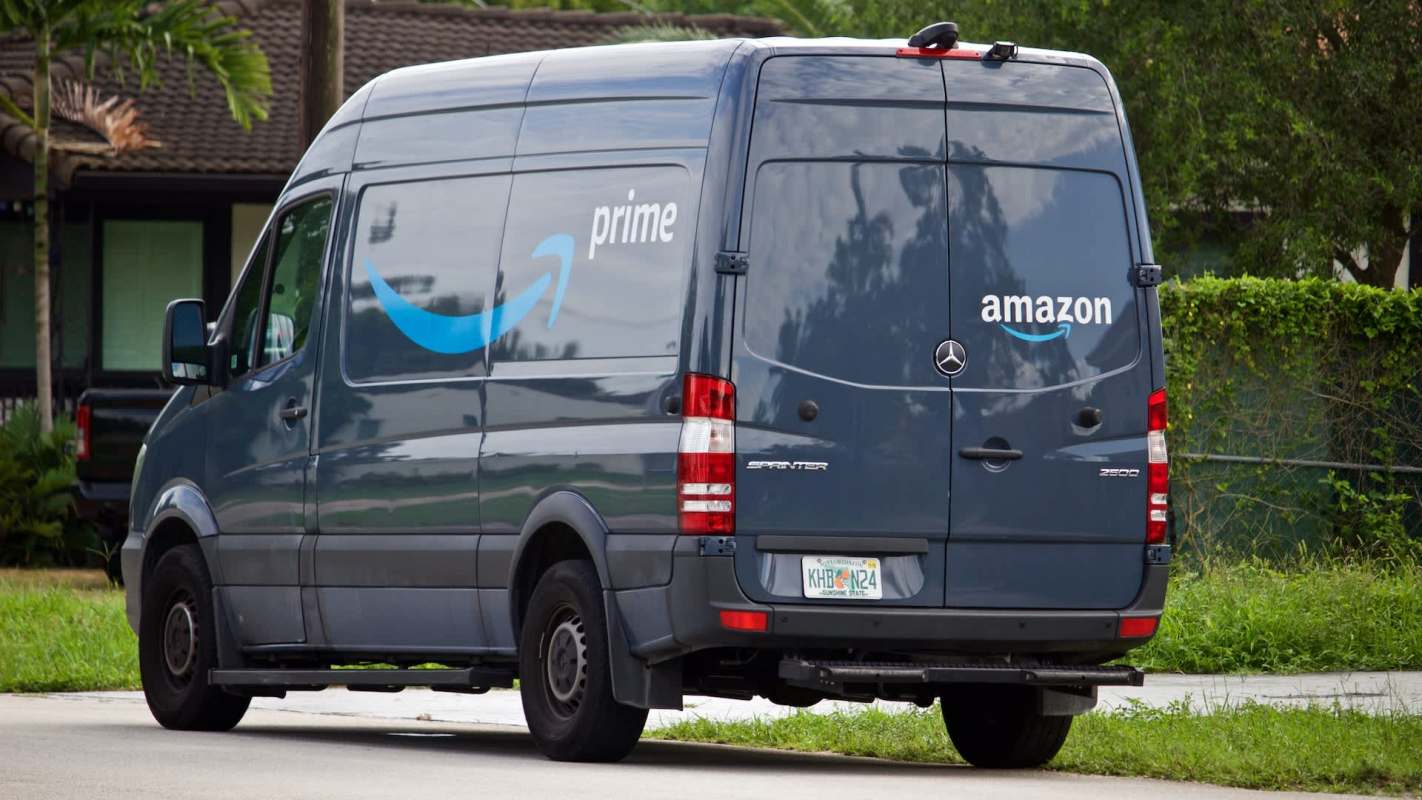
Amazon is facing a new legal challenge in New Jersey over how it manages the drivers who deliver packages to customers' doorsteps each day.
Officials say the issue is not only the pressure Amazon's delivery system places on workers — they argue the company used its leverage over that workforce to hold down pay and make organizing or advancing into better jobs more difficult.
What happened?
In a federal antitrust case filed in New Jersey, Attorney General Jennifer Davenport named Amazon, Amazon.com Services, and Amazon Logistics, alleging the companies illegally used their power over delivery-driver work, according to New Jersey Globe.
State officials said the suit is the first state-filed monopsony case of this type, meaning it targets a labor market shaped by a dominant buyer rather than just a dominant seller of goods.
A key part of the complaint involves Amazon's Delivery Service Partner program, introduced in 2018 and presented as a system of independent delivery businesses.
New Jersey argues that, despite that label, Amazon directs much of how those contractors operate by imposing rules, monitoring drivers, assigning routes, and restricting whether one contractor can hire another's employees.
TCD Picks » Quince Spotlight
💡These best-sellers from Quince deliver affordable, sustainable luxury for all




The state contends those limits worked like unlawful no-poach arrangements, narrowing drivers' chances to move into better-paying jobs elsewhere in Amazon's delivery network.
State officials also allege that Amazon relied on AI, in-vehicle cameras, and related monitoring tools to keep close watch on drivers while retaliating against organizing efforts at some facilities.
Why does it matter?
The case goes beyond a dispute between one company and one state.
It raises broader questions about how much influence a giant employer can have over pay, working conditions, and workers' ability to switch jobs or join together to demand better treatment.
TCD Picks » Quince Spotlight
💡These best-sellers from Quince deliver affordable, sustainable luxury for all
The allegations involve a service many people use all the time: fast home delivery.
That convenience often depends on a workforce operating under intense pressure, and the complaint says that pressure may have carried real human costs, including lower compensation, lost-time injuries, and even reports of drivers urinating in bottles to keep up with delivery demands.
The lawsuit also focuses on how technology can be used in the workplace.
Tools such as artificial intelligence systems, cameras, and route monitoring may improve efficiency, but critics say they can also create a culture of constant surveillance and leave workers feeling they have little control.
If the state proves its claims, the case could shape how other large logistics and gig-economy systems are examined, especially where workers are technically employed by contractors but still heavily directed by a larger corporation.
What's being done?
New Jersey is seeking permanent court-ordered changes to Amazon's practices, along with triple damages for compensation the state says drivers lost because of the company's conduct.
The lawsuit aims both to penalize past behavior and to change how the delivery system operates going forward.
The case is also part of a broader legal push in the state.
New Jersey already has several pending cases against Amazon involving marketplace competition, issues involving pregnant and disabled employees, and claims that Flex drivers were wrongly treated as independent contractors.
One of those cases cleared an important hurdle on July 31, when a judge refused to throw out the civil rights suit.
That suggests the company could face continuing legal pressure on multiple fronts in the state.
The outcome could shape expectations around labor protections, transparency, and accountability in the rapidly growing delivery economy.
"Amazon built a company worth trillions while subjecting drivers in its delivery network to artificially low pay and punishing working conditions thanks to its overwhelming power in the labor market," Davenport stated.

Get TCD's free newsletters for easy tips, smart advice, and a chance to earn $5,000 toward home upgrades. To see more stories like this one, change your Google preferences here.