


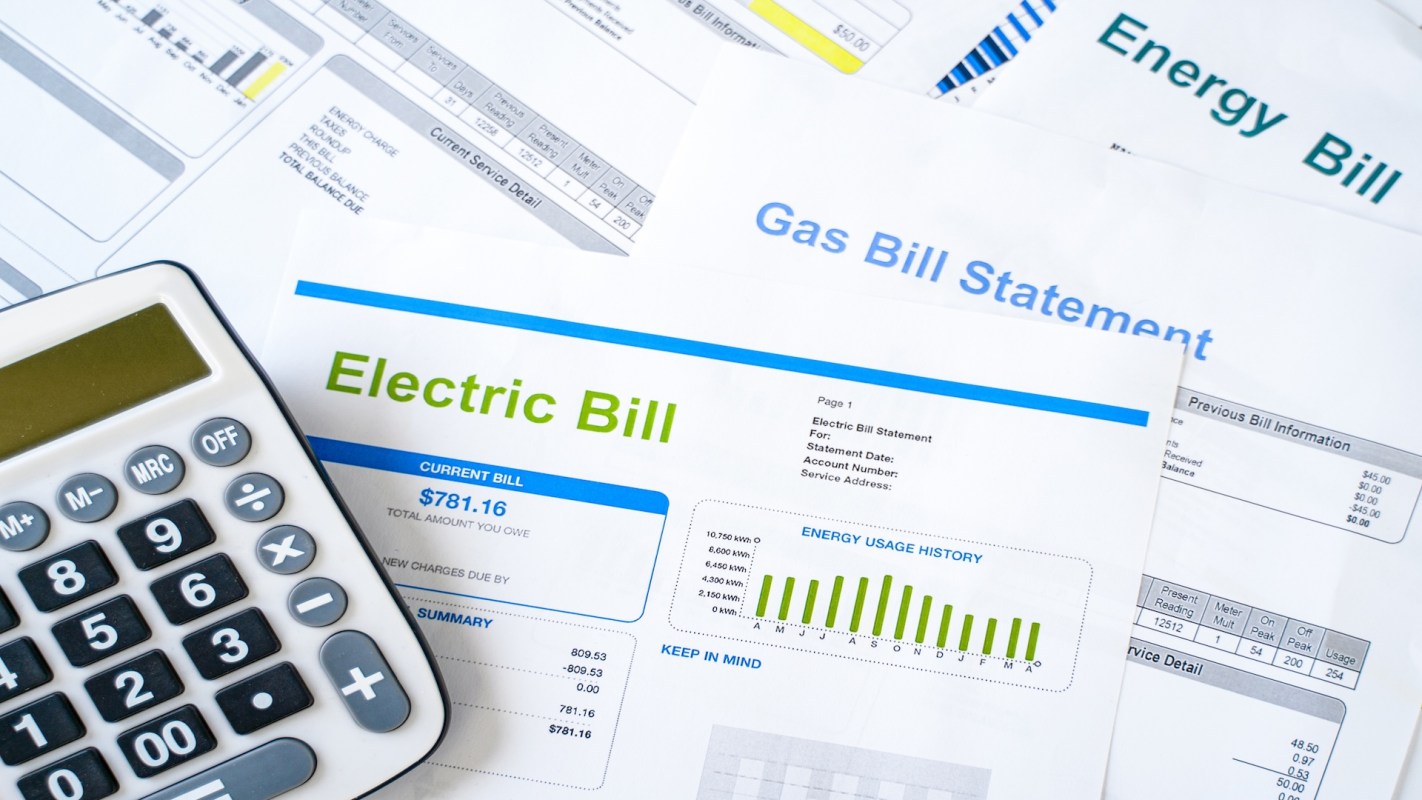
When New Jersey households look at their electric bills, they are still seeing costs that feel too high, even though measures have kept charges steadier.
Against that backdrop, an opinion piece published on NJ.com argues that the quickest way to reduce that strain is to accelerate renewable energy development rather than leaning on an "all of the above" energy strategy.
Here's what to know
In the column, clean energy advocates Nicole Miller and Barbara Blumenthal argue that adding more renewable generation is New Jersey's best near-term path. They say policies under Gov. Mikie Sherrill's administration have helped keep bills more stable, but household savings remain low.
The essay says the risk of an "all of the above" approach is that it can translate into new fossil fuel infrastructure being built alongside cleaner resources. In the authors' view, that would keep New Jersey exposed to years of fuel price swings even as cleaner options become cheaper and faster to deploy.
Crushed by your bills? See instant solar savings from vetted installers in just a few clicks With energy prices through the roof, there's never been a better time to go solar — and EasyHome can help you find the best prices from the best installers in your area. EasyHome takes the guesswork and headaches out of energy upgrades by showing you estimated savings from a network of vetted local partners. To get started, just enter your ZIP and share a few details about your home — seeing your estimate is really that easy. |

"While fossil fuel prices fluctuate with global supply and demand, renewable energy provides stable, locally generated electricity without ongoing fuel costs," the authors wrote.
The essay highlights solar, wind, and battery storage as options that can be brought onto the grid sooner.
The benefits of clean energy can also extend to households. For homeowners, going solar is one of the best ways to save money on home energy. It can be worth exploring EnergySage to get free solar installation estimates and compare quotes.
More background
As the piece noted, higher utility costs hit household budgets directly, especially for customers served by major providers such as PSE&G, JCP&L, and Atlantic City Electric.
The debate is unfolding amid a wider power-supply squeeze across the PJM region and the decisions facing the New Jersey Board of Public Utilities. In that environment, resources that can be added quickly may matter more.
Because they do not rely on continual fuel purchases the way fossil fuel plants do, solar and other clean energy sources can offer more stable pricing over time.
The authors add that New Jersey is already supporting large-scale solar development, which could expand supply and help reduce pressure on rates.
What can be done?
At the policy level, the case is to accelerate the construction of renewable energy projects. Getting solar, wind, and battery storage online sooner could ease grid strain.
More From EnergySage
💡Go deep on the latest news and trends shaping the residential solar landscape


"Expanding clean energy is not simply an environmental goal — it is an economic strategy that can help protect families from rising utility bills," the NJ.com opinion piece concluded.
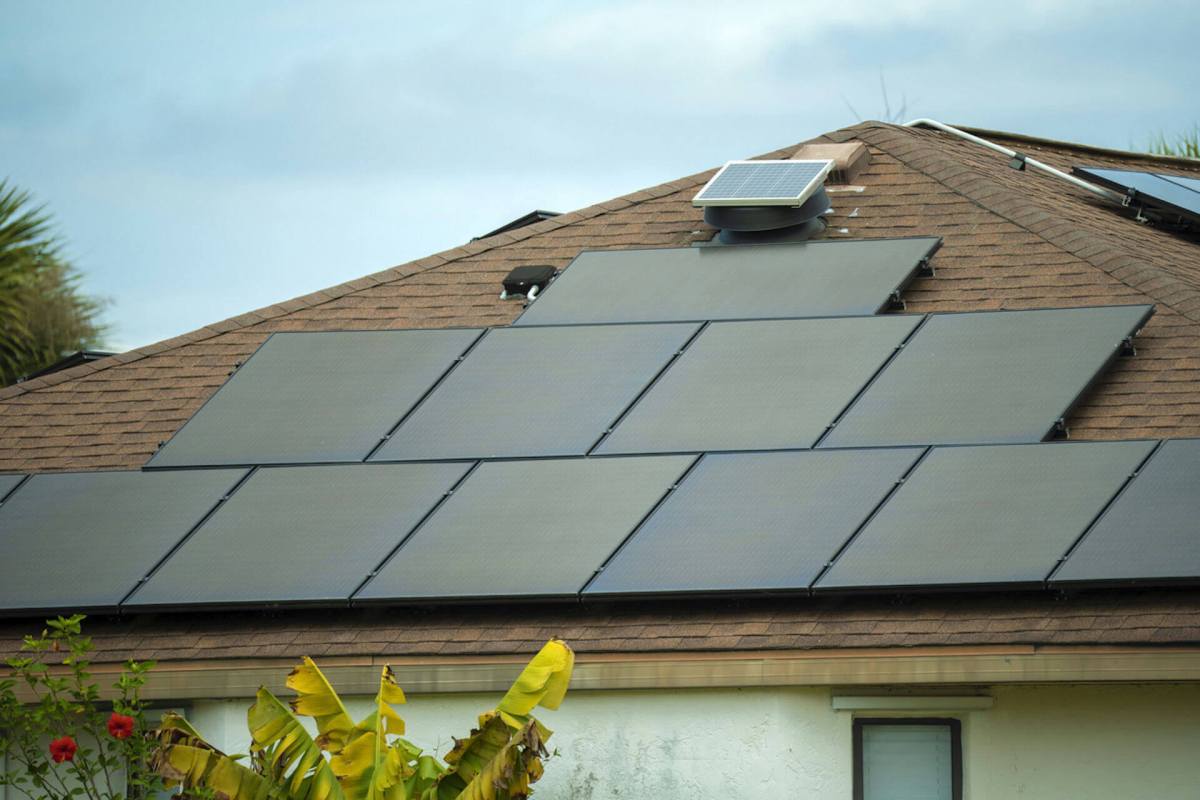
For individual households, rooftop solar can be a practical hedge against rising utility bills. EnergySage offers free tools that let shoppers compare quotes from installers, and with EnergySage's help, the average person can save up to $10,000 on solar purchases and installations. Those services can make it easier to evaluate whether solar adds up for a specific home.
Readers can also use EnergySage's solar map, which shows the average cost of a home solar panel system on a state-by-state level along with details on solar panel incentives for each state. Together, those resources can help people get the best price for rooftop solar panels and access available incentives.
Adding battery storage to a solar setup is also one of the best ways to protect your home during outages, save money on energy, and go off-grid. Homeowners can explore EnergySage for information about home battery storage options, including competitive installation estimates.

Get TCD's free newsletters for easy tips, smart advice, and a chance to earn $5,000 toward home upgrades. To see more stories like this one, change your Google preferences here.






