


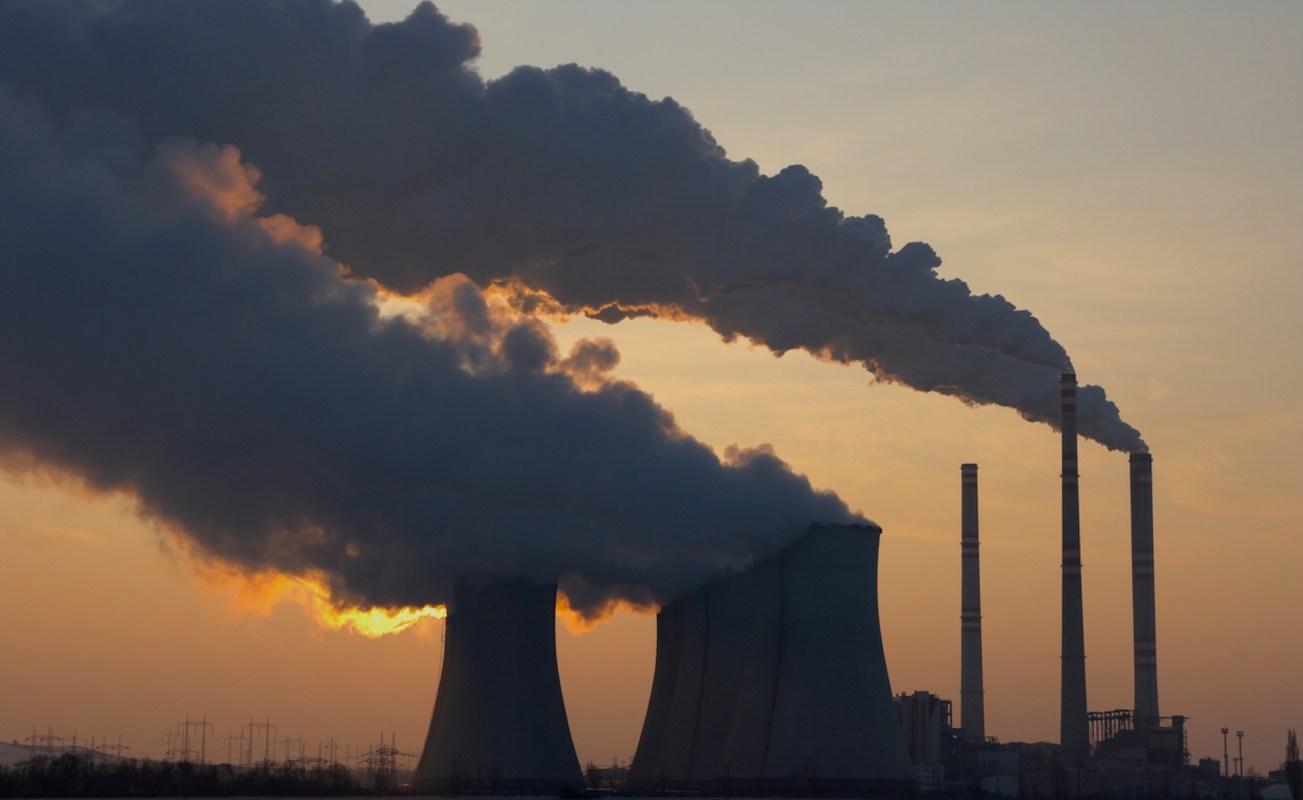
For decades, it has been widely understood that dirty fuel sources such as coal create significant unhealthy air pollution that directly contributes to unnecessary deaths in America and worldwide. Because of that and environmental reasons, Nebraska has been trying to quit using coal at its North Omaha power plant for the last 12 years, in theory.
However, there have been significant delays, and now board members have been misled by a report minimizing the impact of coal on the area, Grist reported.
What's happening?
In late 2025, leading up to a vote to once again delay the shutdown of the remaining coal units, Omaha Public Power District CEO Javier Fernandez presented board members with a study that he claimed illustrated that the plant did not pose a significant "negative impact on the health of people in the vicinity," per Grist.
In reality, according to experts who reviewed the report after the fact, it examined only one specific type of air pollution, not all of the potential harms that could come from the coal units.
Despite the partial nature of the data, Nebraska Governor Jim Pillen posted on social media to say, "The science confirms it: OPPD's North Omaha coal-fired power units — which generate some of the cheapest and most reliable electricity in Nebraska — are safe," Grist reported.
That mischaracterization has provoked backlash from the community.
"So the health assessment, I think, was a smack in the face," state Senator Terrell McKinney said, per Grist. "It didn't speak of the historical impacts. It didn't speak of the disproportionate amount of asthma, respiratory issues that the community has, or health impacts, and also the community in which the coal plant is situated is a community that's been historically minority."
Why is accurate information important?
Burning coal for energy releases a wide range of pollutants, including PM2.5 or fine particle pollution. This is linked to a wide range of health problems, largely respiratory issues, some of which lead to death.
Meanwhile, air pollution from these same sources is contributing to the overheating of the planet, making extreme weather events worse and raising the price of groceries by damaging crops.
Relying on coal, oil, and other similar fuel sources also keeps the price of energy high. Renewable options like solar are more abundant, more affordable, and they get cheaper the more manufacturers develop them.
TCD Picks » Quince Spotlight
💡These best-sellers from Quince deliver affordable, sustainable luxury for all




|
Which of these savings plans for rooftop solar panels would be most appealing for you?
Click your choice to see results and earn rewards to spend on home upgrades. |
 Save $1,000 this year 💸
 What's being done about the use of coal in Nebraska?
OPPD board member Craig Moody hopes to work with the Douglas County Health Department to do more comprehensive research on the health impacts of burning coal in the area.
"I generally understand why staff wanted to do the study, but to put it bluntly, it was a big miss," Moody said at a board meeting in December, per Grist. "And I'm not going to go into the details. I will simply say the science is clear: Burning coal is not good for human health, and it's really that simple."
However, the OPPD faces opposition from both the Nebraska Attorney General's Office and the Trump administration as it works to continue phasing out coal, leaving the future of the plant itself uncertain.

Get TCD's free newsletters for easy tips to save more, waste less, and make smarter choices — and earn up to $5,000 toward clean upgrades in TCD's exclusive Rewards Club.
Cool Picks




