


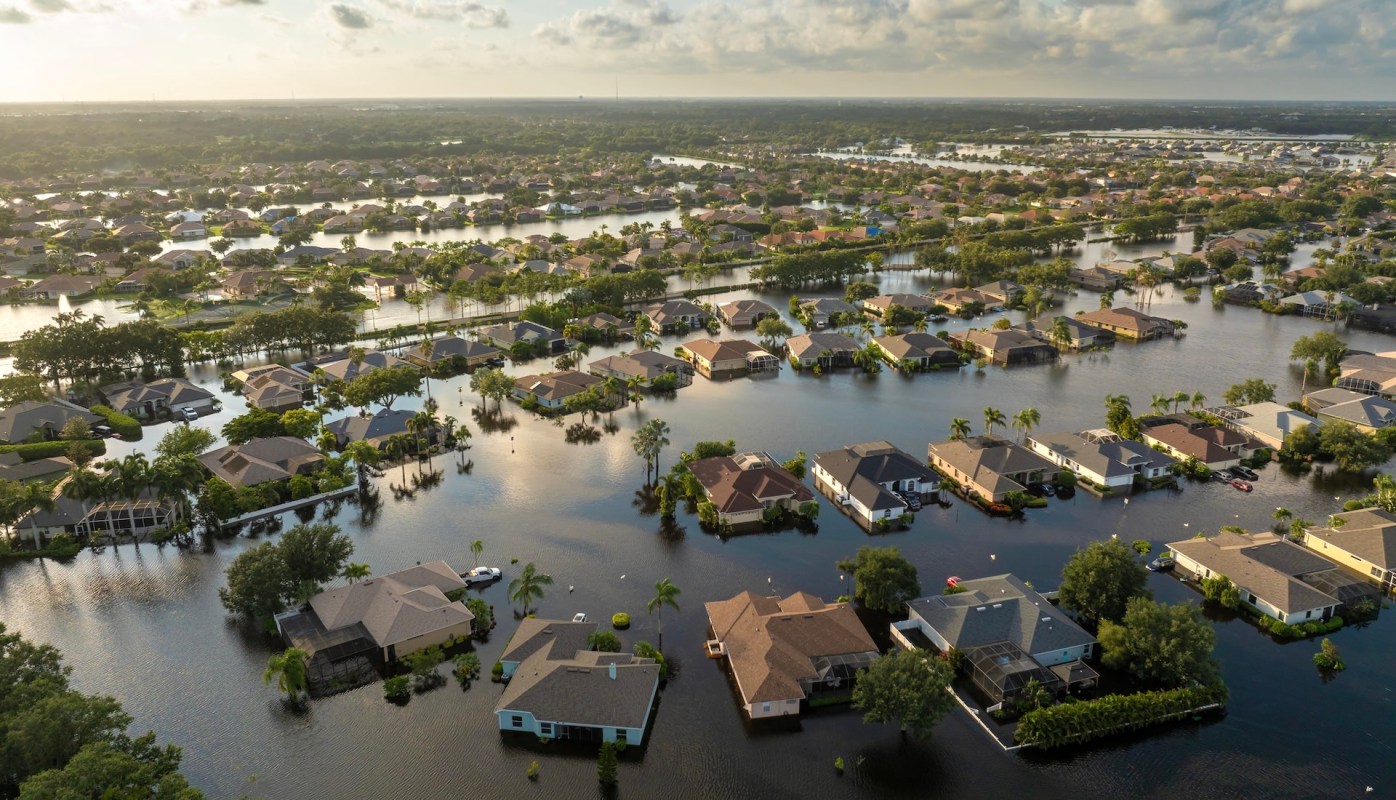
Destructive weather is becoming more and more expensive, according to figures dug up by Grist.
What's happening?
Data from the National Oceanic and Atmospheric Administration has shown a steady increase in the number of billion-dollar disasters happening in America. This year, NOAA has stopped tracking this metric.
Meanwhile, FEMA has seen a 150% increase in the average number of annual natural disasters being declared in the last decade, and with them, spending has ballooned to $16 billion each year. This is compared to an average of $3.4 billion annually between 1992 and 2004.
Why are natural disasters important?
"There's many reasons we don't have global peace, and part of it is that war is profitable," said previous FEMA Deputy Administrator for Resilience Victoria Salinas, per Grist. "Similarly, disaster response is profitable. For some."
Rising construction and insurance costs have limited the ability of residents to rebuild in the wake of disasters. Insurance premiums are up 30% since 2020, and construction costs have doubled since 1996.
Grist went on to examine how rent prices exploded 20% in the wake of California wildfires and how the trend has continued in other regions despite legal protections against gouging.
They also detailed how profiteers sought to acquire land following natural disasters. Many families in dire financial straits after having their homes destroyed have been forced to sell properties.
What's being done about climate profiteering?
The U.S. government estimates that every dollar spent on preparing for climate disasters now saves $6 to $12 in adaptation costs after disaster strikes.
To that end, many jurisdictions are making sensible preparations. One area in Florida has seen new flood barriers installed, while homeowners in the U.K. have done the same, for example.
While preparing for the inevitable is helpful, attacking the root cause can reduce the need to spend money on either mitigation or adaptation. There are several significant ways to reduce pollution, the destructive weather patterns that result from it, and the profiteering that follows disasters.
TCD Picks » Quince Spotlight
💡These best-sellers from Quince deliver affordable, sustainable luxury for all




Upgrading the grid to rely on renewable energy can help spin down the use of dirty energy. Updating home heating and cooling with heat pumps reduces pollution. Switching to an EV eliminates tailpipe pollution. Trying a plant-based diet cuts out the considerable pollution that comes along with animal agriculture.
|
Should the government ban gas stoves? Click your choice to see results and speak your mind. |
 Yes 💯
Yes 💯 
Join our free newsletter for good news and useful tips, and don't miss this cool list of easy ways to help yourself while helping the planet.
Cool Picks




