


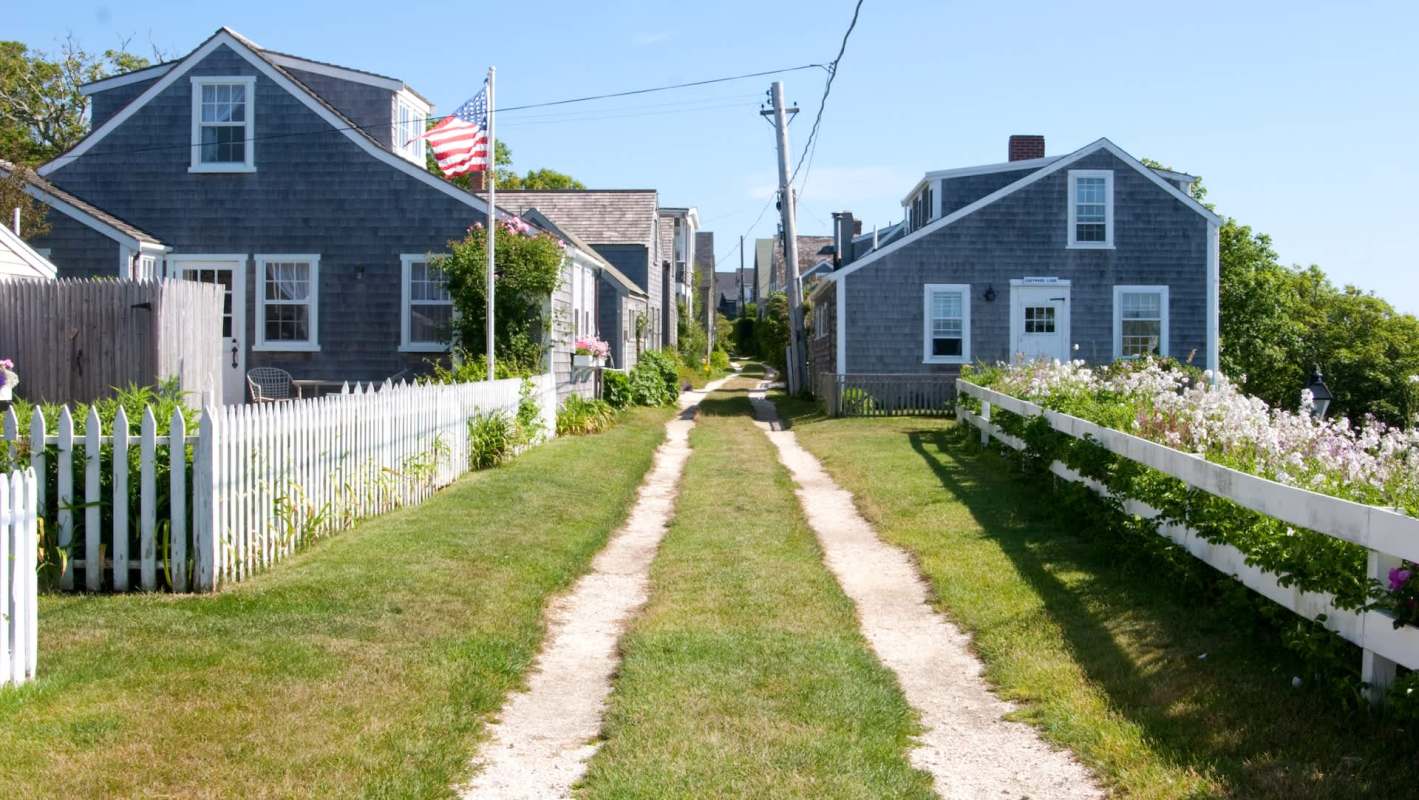
For more than a decade, Nantucket leaders have pushed Massachusetts lawmakers for a new way to raise money for affordable housing.
Once again, the effort has failed, leaving one of the country's most expensive housing markets without a dedicated funding tool that local officials say could help year-round residents stay on the island, according to the Nantucket Current.
Here's what to know
Under the proposal championed by Julian Cyr, a state senator, and Thomas Moakley, a state representative, seasonal communities like the island of Nantucket would be authorized to impose a small fee on high-end property transactions and steer the proceeds into a housing bank for affordable homes.
Backers tried to attach the measure to a larger bond bill, but the fee provision was left out of both the House and Senate versions.
For Nantucket, the setback has real consequences. The island has some of the highest home prices in the nation, and local officials say workers, families, and longtime residents are being pushed out by a market driven heavily by second-home buyers and investors.
Kristie Ferrantella, Nantucket's housing director, called the outcome "certainly disappointing," adding that the island's housing market is "fundamentally different from most of Massachusetts."
TCD Picks » Quince Spotlight
💡These best-sellers from Quince deliver affordable, sustainable luxury for all




Cyr was even more blunt, telling the Current: "I'm heartbroken. I am deeply disappointed that, once again, we ended formal sessions without getting this done. That is certainly not for lack of effort."
More background
The idea of a transfer tax is nothing new, and advocates say that such fees have proven effective in other contexts.
When making the case for the housing fee, local officials often point to the Nantucket Land Bank as proof that a transfer-fee model can work. That program collects money from real estate transfers to preserve conservation land and has also begun indirectly supporting affordable housing efforts.
Backers of the housing fee argue that it would not affect working families buying modest homes. Instead, it would capture a small share of the enormous value flowing through luxury real estate deals and redirect it toward homes for other residents who help keep the island running year-round.
When year-round residents cannot afford to live where they work, local institutions and the regional economy face growing instability. Without workers who live on the island year-round, seasonal residents and vacationers might find themselves missing many of the amenities that made Nantucket appealing in the first place.
While communities across the U.S. have been experiencing a housing crisis marked by limited supply and skyrocketing prices, the challenge is amplified on Nantucket given the limited room to expand.
"The cost of creating housing on Nantucket is extraordinarily high, and the cost of land is one of the biggest barriers," Ferrantella said.
The resistance at the State House has also frustrated some in the real estate industry, pitting a statewide realtor association against Nantucket's regional group.
Supporter of the fee Penny Dey, former Nantucket Association of Real Estate Brokers president, said of the Massachusetts Association of Realtors: "They don't speak for us."
What's being done?
Despite the latest setback, local advocates are not backing away from the issue.
Ferrantella said Nantucket still has projects underway with local money committed and that it intends to keep pursuing all available funding sources.
Supporters also argue that there are signs of progress. Maura Healey, the Massachusetts governor, backs the transfer fee, and the Current reported that a UMass Donahue Institute study concluded the policy would not negatively affect Nantucket's real estate market.
Moakley said there are "reasons to be optimistic about the future," noting that more towns across Massachusetts are now passing similar home rule petitions.
If that trend continues, Nantucket could gain more allies in the state legislature, helping to strengthen the argument that seasonal communities need different housing tools than mainland markets.
"What makes this especially painful is the urgency of the situation. Islanders can't afford to wait another two years for the legislature," Cyr said. "We cannot abandon the fight for a dedicated revenue source for year-round housing. Without a significant infusion of resources, there is no way Nantucket will be able to solve this problem."

Get TCD's free newsletters for easy tips, smart advice, and a chance to earn $5,000 toward home upgrades. To see more stories like this one, change your Google preferences here.







