


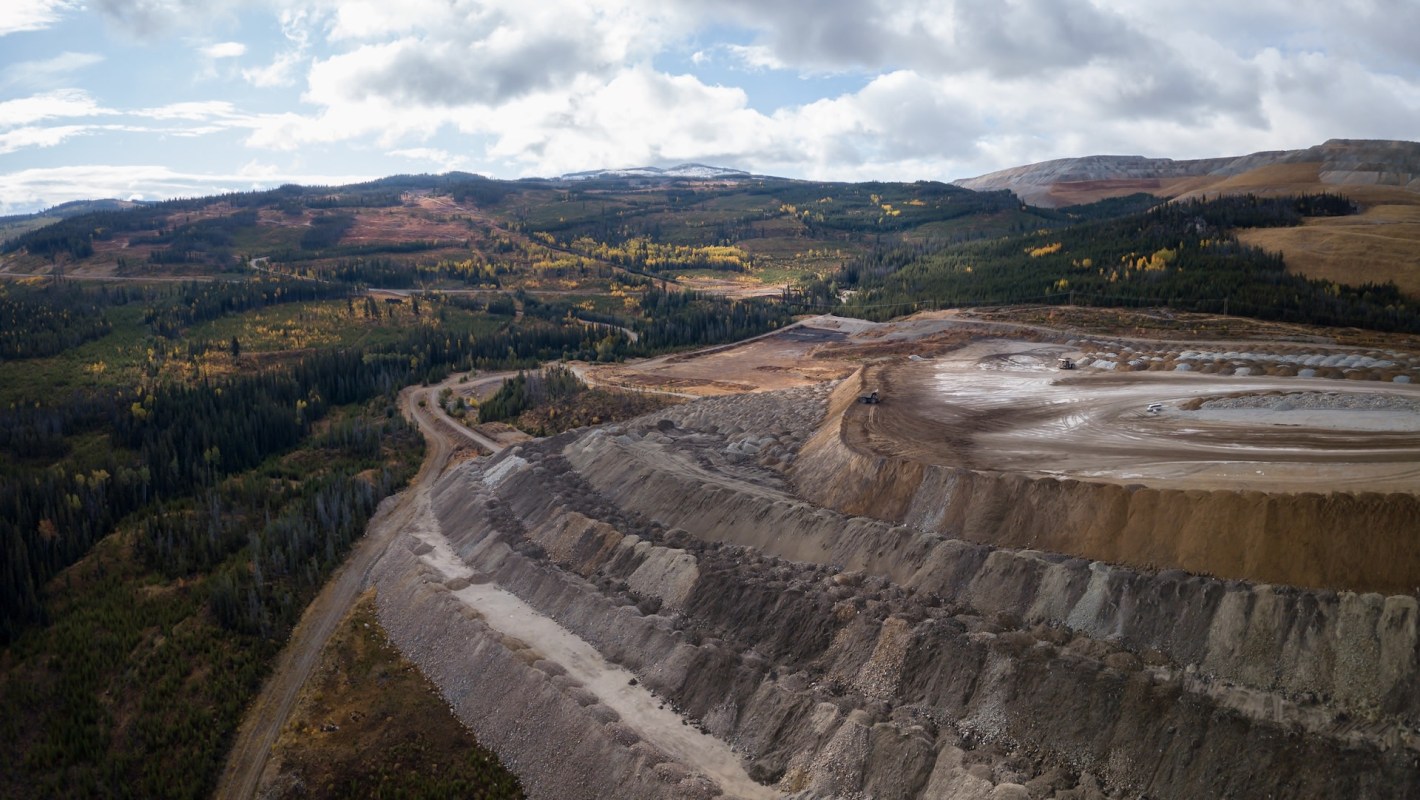
The government of British Columbia, Canada, has moved forward with approval for a mine expansion project that could extend operations for an additional two years.
The project would deepen a mining pit and enlarge the disposal area for "potentially acid-generating rock."
What's happening?
Environment Minister Tamara Davidson and Mining Minister Jagrup Brar reportedly gave an order of consent for the proposed expansions at the Mount Polley copper and gold mine, according to The Canadian Press. It could keep the mine running until 2033.
This is the same mine where, in 2014, a tailings dam failed, releasing millions of liters of waste and water, per the national news agency. When the storage facility collapsed, the tailings — or mining byproducts — flowed into Quesnel Lake, resulting in an environmental disaster.
B.C.'s Environmental Assessment Office says the mine's expansion will continue the discharge of treated water into the lake but that "there would be no further land disturbance since the expansion remains within the mine's existing footprint," The Canada Press reported.
Why is this mine expansion concerning?
Although the Environmental Assessment Office stated that the mine expansion is unlikely to have "significant effects," it seems unlikely that it will have no effect at all.
TCD Picks » Quince Spotlight
💡These best-sellers from Quince deliver affordable, sustainable luxury for all




Traditional mining practices can devastate local ecosystems and often result in polluted water and air, posing threats to human health. Some copper mining, for example, has been linked to higher rates of cancers, cardiovascular disease, developmental disorders, and reproductive issues. Mines can also cause irreversible damage to plant and wildlife populations.
If mining companies fail to protect and restore the land, water, and air, residual pollution and environmental depletion can affect locals far into the future. And the burdens can disproportionately impact Indigenous communities, historically marginalized from safeguards, facing inequitable access to critical resources, and relying on these lands for their cultural needs and livelihoods.
Xatśūll First Nation attempted to prevent the mine from raising the height of the tailings dam at Mount Polley earlier this year but was dismissed by the Supreme Court in B.C. this summer. According to The Tyee's coverage of the dismissal, Xatśūll said it was not properly consulted on the raising of the dam.
The court and the Environmental Assessment Office, meanwhile, said members of Xatśūll First Nation and Williams Lake First Nation were consulted on the mine's proposed expansion.
|
Do you think fracking should be illegal in America? Click your choice to see results and speak your mind. |
 Yes — everywhere 👏
 What's being done to prevent harmful mining activities?
Although the courts dismissed this challenge from Xatśūll First Nation, the Tribe's efforts did not go unnoticed. The Canada Press also reported in late August that further permits would still be needed in order for the mine's expansions to go forward, so it's possible that additional local advocacy efforts might stymie the project yet.
Fortunately, there are successful examples of former mines being transformed into sources for clean, renewable energy. And some governments and groups are holding polluting mines accountable for their actions, imposing hefty fines for violating pollution regulations.
This spring, a gold mine operator in Australia was fined $224,000 for violating air pollution rules — a notable win, although some might call it an example of "too little, too late" while groups around the globe, like Xatśūll First Nation, work to prevent further disasters before they happen.

Join our free newsletter for good news and useful tips, and don't miss this cool list of easy ways to help yourself while helping the planet.






