


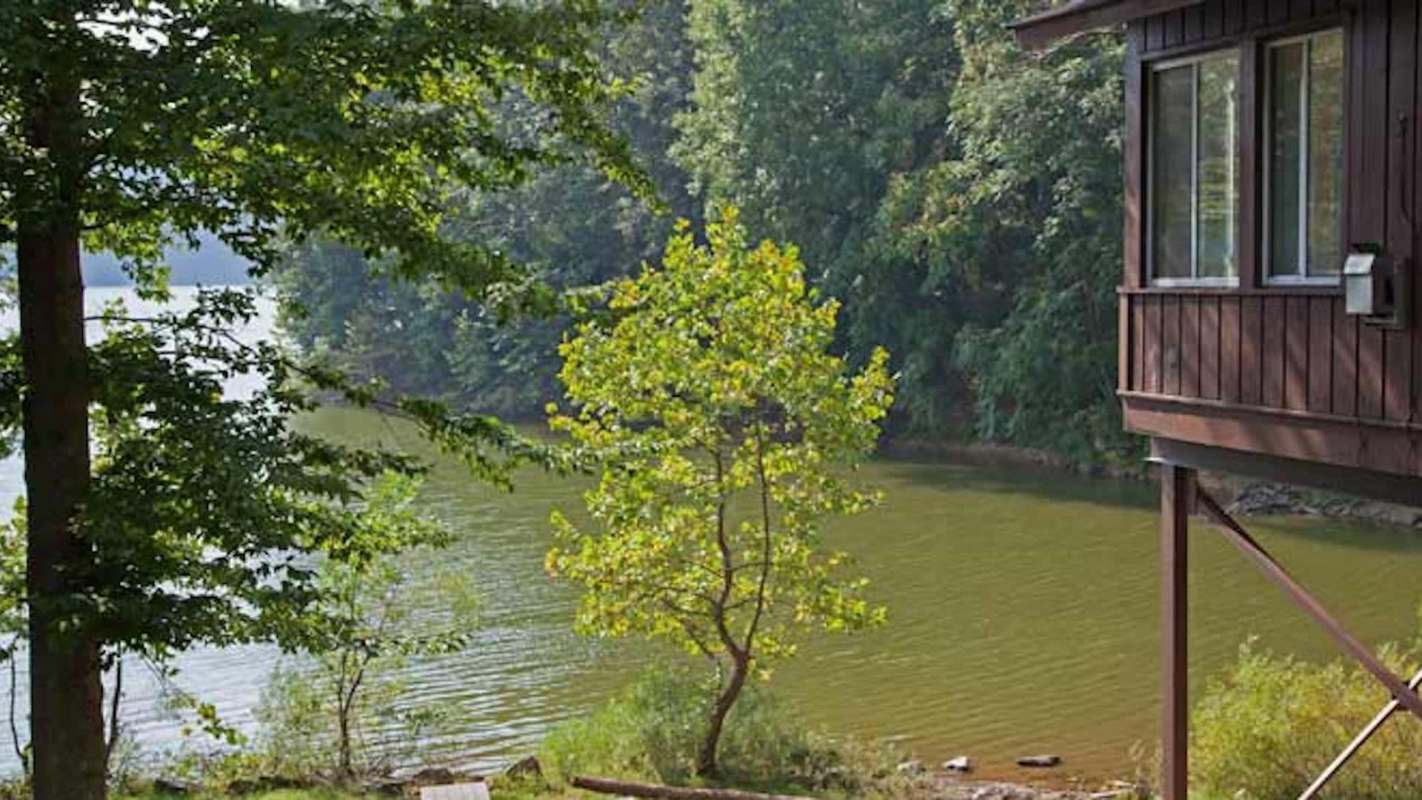
Monroe Lake Wildlife Area, a popular hunting and fishing destination in eastern Ohio, could become the latest public-land site pursued for drilling, according to Signal Ohio.
The proposal covers shale rights beneath about 618 acres of the 1,333-acre Monroe County preserve, putting another Ohio recreation area on the path toward shale development.
Here's what to know
State officials are being asked to allow oil and gas development under part of the Monroe Lake Wildlife Area, and the request now goes to the Ohio Oil and Gas Land Management Commission, whose members the governor appoints.
If the panel approves the request, the mineral rights would go to competitive bidding; in practice, the commission has almost always sided with industry applicants.
As Signal Ohio reported, the Monroe Lake application fits into a broader expansion that picked up after Statehouse Republicans revived Ohio's public-land leasing program in 2021.
Since that revival, Ohio has opened 22,000 acres in parks and wildlife areas to fracking, and all of those leases have gone to out-of-state drillers.
TCD Picks » Quince Spotlight
💡These best-sellers from Quince deliver affordable, sustainable luxury for all




The parcels include 6,200 acres in Salt Fork State Park, 14,800 acres across nearby Jockey Hollow and Egypt Valley wildlife areas, and smaller tracts elsewhere in eastern and southeastern Ohio.
More background
Ohio has collected $314 million from these public land oil and gas leases, mostly from signing bonuses.
Some of the first royalty payments from production began arriving, with about one-third generally going to the park where drilling took place and the rest flowing to state coffers.
When Republican Gov. Mike DeWine approved the revived leasing program, he said his administration would only sign off on projects that leave park surface land undisturbed.
So far, companies have proposed drilling from pads outside park boundaries, descending thousands of feet before turning horizontally into the shale beneath.
To free gas from the shale, drillers push water, sand, and chemicals through the boreholes at high pressure, then bring gas, brine, and other industrial waste back to the surface.
What's being done?
The Monroe Lake application is open for public comment through Nov. 30, giving hunters, anglers, nearby residents, and other Ohioans time to weigh in before the commission decides.
The commission has 90 days from receiving the nomination to act, placing the deadline after the next governor's inauguration unless DeWine's administration speeds up the case.
Republican candidate Vivek Ramaswamy has backed fracking in state parks, including through pro-industry videos filmed at Salt Fork, one of Ohio's biggest public-land drilling sites.
Democratic candidate Dr. Amy Acton has taken a narrower position.
Her campaign told Signal Ohio that, while she supports fracking among other energy resources, she believes state forests and wildlife areas should remain off-limits.
Where can I learn more?
The debate over fracking on public land didn't start at Monroe Lake. These stories cover Ohio's earlier park approvals, resistance in Belmont County, and health concerns near wells.
• In Ohio, officials OKed fracking in state parks despite a fraud investigation and public anger.
• In Belmont County, Ohio, residents watched drilling spread nearby and pleaded for limits on expansion.
• Across U.S. oil fields, companies plug leaky abandoned wells as methane keeps surfacing.

Get TCD's free newsletters for easy tips, smart advice, and a chance to earn $5,000 toward home upgrades. To see more stories like this one, change your Google preferences here.






