


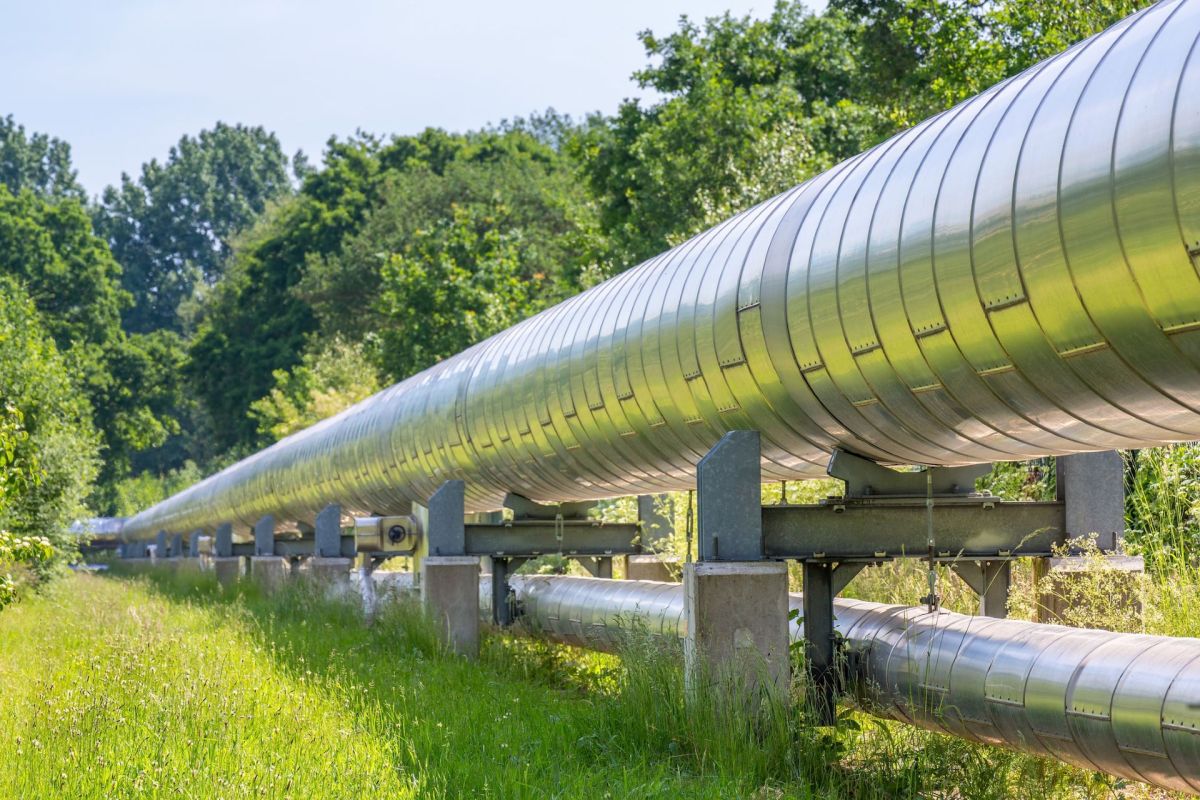
A federal ruling expected by Friday could decide whether a massive natural gas pipeline stretching west to east across Mississippi can move forward, a project that supporters describe as an energy upgrade and opponents see as a lasting risk.
At issue before the Federal Energy Regulatory Commission is a 206-mile proposal tied to Kinder Morgan that would carry gas from Greenville to Butler, Alabama.
Mississippi Today reported that the agency's decision could either allow the project to proceed or delay it.
What's happening?
Tennessee Gas Pipeline Co. and Southern Natural Gas Co. are behind the proposal, saying new infrastructure is needed to increase gas capacity across the Southeast.
The planned line would connect with existing pipelines, cross 10 counties, and add compressor stations in Humphreys, Attala, and Lauderdale counties.
Federal regulators say the pipeline could move up to 1.5 billion cubic feet of gas each day.
TCD Picks » Quince Spotlight
💡These best-sellers from Quince deliver affordable, sustainable luxury for all




Kinder Morgan has said the $1.7 billion project would create 750 temporary jobs and 15 permanent positions.
In its final environmental review released in June, FERC said the project would have "some limited adverse environmental impacts," but found that mitigation measures would keep those effects "less than significant."
The Mississippi Band of Choctaw Indians has raised concerns about the route's proximity to tribal land and the Pearl River.
Environmental groups have separately warned that crossing more than 2,000 water bodies could "irreparably harm wildlife habitat."
Why does it matter?
Expanding gas infrastructure can deepen long-term dependence on oil, gas, and coal, even as cleaner energy options become more affordable and more widely available.
Coal and natural gas power plants contribute to air and water pollution linked to asthma, heart disease, cancer, and premature death.
They can also keep energy costs high for households that remain tied to fuel sources with volatile prices, rather than drawing more power from abundant sunlight and wind.
Industry lobbying has also helped slow the transition to cleaner, cheaper energy solutions that could better protect families and lower utility bills.
The Choctaw tribe says it was not properly consulted about impacts to cultural resources, while landowners along the route could face the possibility of eminent domain.
What's being done?
If FERC approves the project, the companies would move closer to construction.
If it does not, they may be forced to address outstanding concerns or revise their plans.
A March Bureau of Indian Affairs letter said the companies had not adequately consulted the Mississippi Band of Choctaw Indians and that the proposed route overlaps tribal land in Leake County.
Landowners can challenge pipeline-related takings in court under eminent domain law, and one property owner negotiated a route change to reduce damage.
"At the end of the day, we feel like we were not properly consulted," said Melanie Carson of the Mississippi Band of Choctaw Indians.
Landowner Tony Kinton said, "It's going to happen, so let's make the best of it."

Get TCD's free newsletters for easy tips, smart advice, and a chance to earn $5,000 toward home upgrades. To see more stories like this one, change your Google preferences here.






