


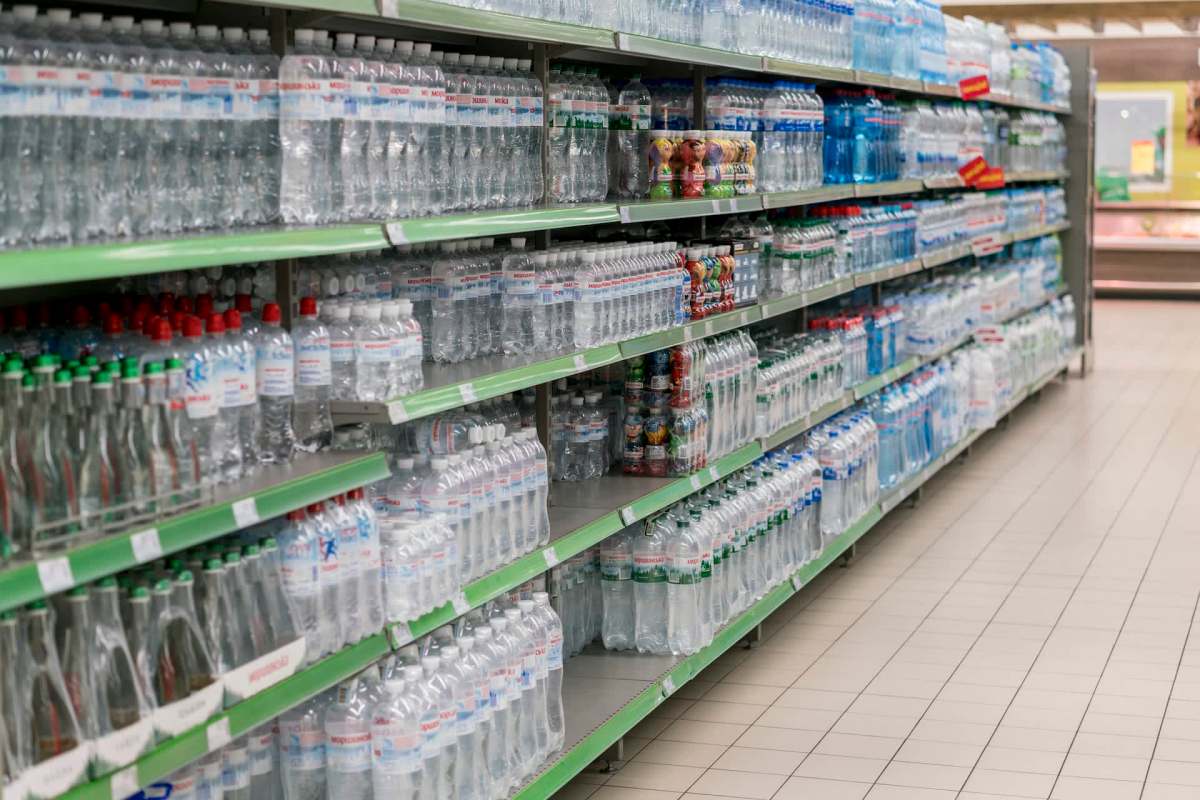
More than 38,000 gallons of distilled water have been recalled because of the presence of an unidentified black substance, according to WJW.
What's happening?
On Jan. 17, WJW reported that Meijer initiated a voluntary recall affecting six states: Illinois, Indiana, Kentucky, Michigan, Ohio, and Wisconsin.
The product in question was Meijer Steam Distilled Water, sold in one-gallon jugs. Affected items shared a lot code (39-222 #3), UPC (041250841197), and expiry date (Oct. 4, 2026).
The Food and Drug Administration indicated that a "floating black foreign substance in the product" precipitated the multistate recall, but the agency neither identified the material nor provided any further information.
Distilled water is, per WebMD, "ideal for when purity is important," as it is processed to remove even traces of bacteria, minerals, contaminants, and impurities.
Common uses for distilled water include infant formula, continuous positive airway pressure machine reservoirs, and lab testing.
TCD Picks » Quince Spotlight
💡These best-sellers from Quince deliver affordable, sustainable luxury for all




In medical environments, distilled water is used to clean critical equipment, such as dialysis machines.
Why is this concerning?
Distilled water is primarily used when even filtered water isn't sufficiently pure.
Consequently, contaminated distilled water could pose a larger risk to consumers, who are likely using it in neti pots, to mix baby formula, or to provide medical care in home settings.
The FDA's official recall notice indicated Meijer recalled the product Nov. 13, but the earliest media mention was by Allrecipes on Jan. 9.
|
What's the most you'd pay per month to put solar panels on your roof if there was no down payment?
Click your choice to see results and speak your mind. |
 $200 or more 💰
 The site observed that the FDA had not yet assigned a risk classification to the recall; the FDA eventually designated it a Class 2 recall Jan. 20.
According to the FDA, a Class 2 recall is when exposure to or use of what the agency calls a "violative product" may "cause temporary or medically reversible adverse health consequences or where the probability of serious adverse health consequences is remote."
Meijer's distilled water recall wasn't the first with an apparent lag between the retailer's voluntary actions and the FDA's involvement; in October, the FDA took several weeks to announce a market-specific Coca-Cola recall.
In April, Reuters reported that sweeping federal civil service cuts across agencies led to a reduction in FDA "food safety quality checks." In addition, cuts at the Department of Agriculture further imperiled food quality.
Sidelined officials warned that staff reductions could leave Americans vulnerable to risks, as the FDA announced it would no longer allocate funds to monitor milk quality.
By November, ProPublica warned that FDA inspections of foreign food had "plummeted to historic lows."
What's being done about it?
In a Jan. 13 Guardian report, several former officials expressed alarm about delayed FDA warnings, citing a 2025 listeria outbreak that killed six people.
"I am concerned that … it's like that kids' game Jenga where you pile up all these wooden pieces. And if you pull one out from the bottom or even the middle, the whole thing falls apart," said Sandra Eskin, former USDA undersecretary.
Several officials spoke on the condition of anonymity for fear of reprisal.
"I believe that this decimation of the federal workforce will set us back as a country for decades. We are no longer a world leader in public health, and that's a scary thing," a former FDA employee confessed to the Guardian.

Get TCD's free newsletters for easy tips to save more, waste less, and make smarter choices — and earn up to $5,000 toward clean upgrades in TCD's exclusive Rewards Club.






