


One Massachusetts Tesla Powerwall owner thought a summer virtual power plant program might deliver an eye-popping $5,720 payout.
Instead, fellow battery owners explained that the real math is more complicated — though it could still be worth thousands of dollars a year.
What's happening?
A Massachusetts homeowner spending a first full summer in National Grid's virtual power plant program turned to Reddit with a basic question: would the utility pay based on everything the battery supplied during events, or only on the power actually sent out to the grid?
The user wrote, "If it's the full battery $220 x 27 is $5,720 which seems absurdly high for something as simple as letting them use the battery, but is my math correct here?"
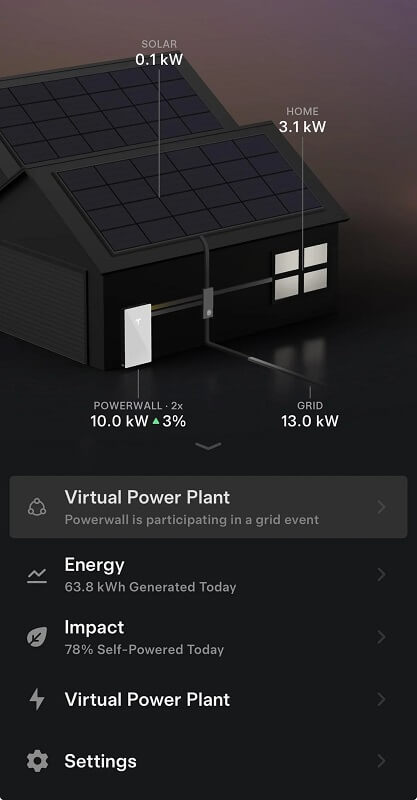
One commenter quickly clarified the difference between kilowatts and kilowatt-hours: "Not at all how it works. kw is not kwh. They do not pay based on energy discharged, they pay based on the average KW you supply across all time for all events."
The original poster replied, "Ahh,, that makes sense now, thank you. So basically, if we keep having these 3 hour events the average will be 8 or 9kw or so and I should see a little south of $2k."
That lower estimate also matched what other Massachusetts participants reported.
As one user put it, "I have 2 pw+. I've consistently received $2k a year the three years I've been in."
Crushed by your bills? See instant solar savings from vetted installers in just a few clicks With energy prices through the roof, there's never been a better time to go solar — and EasyHome can help you find the best prices from the best installers in your area. EasyHome takes the guesswork and headaches out of energy upgrades by showing you estimated savings from a network of vetted local partners. To get started, just enter your ZIP and share a few details about your home — seeing your estimate is really that easy. |

Why does it matter?
A payout closer to $2,000 than $5,700 is a major difference, but it can still make a battery system much more appealing, especially when paired with backup power and bill savings.
Battery storage can protect a home during outages, save on energy costs, and support off-grid use. It can keep essentials running when the grid goes down, while also allowing homeowners to store electricity when it is cheaper and use or export it when prices rise.
Virtual power plants help utilities draw on stored electricity from homes during high-demand periods, reducing strain on the system and limiting the need for more pollution-heavy power generation.
As one commenter put it, "Over-reliance on fossil fuels (55% from Natural Gas) makes electricity very expensive in New England."
What's being done?
More utilities and energy companies are expanding VPP programs, giving homeowners a chance to earn money by sharing stored energy during peak-demand events.
Because these programs may calculate payments using sustained average power across events rather than total energy discharged, homeowners need to pay close attention to the details of the compensation formula.
If stories like this have you wondering whether storage could pay off at your house, explore EnergySage's free tools to get information about home battery storage options, including competitive installation estimates.
Another option is Pila, which offers excellent battery backup options.

Get TCD's free newsletters for easy tips, smart advice, and a chance to earn $5,000 toward home upgrades. To see more stories like this one, change your Google preferences here.






