


Massachusetts is confronting a difficult balancing act: Can the state lower punishing energy bills by expanding natural gas infrastructure without compromising its climate commitments?
Gov. Maura Healey appears to be betting that, at least in the short term, a faster federal review of one pipeline project could bring relief to households already facing some of the highest energy prices in the country.
Here's what to know
Healey pointed to that bet in an Oct. 1 letter to U.S. Energy Secretary Chris Wright. In the letter, she asked the Trump administration to speed up its review of Enbridge's Project RARE, a plan to expand the Algonquin natural gas pipeline, as WBUR reported.
In a press release, Healey said the project would "lower costs for 600,000 customers."
"Massachusetts is moving forward with its review, and I'm asking the federal government to do the same — move quickly and keep this project on track so customers can see the savings," she continued, adding that "moving quickly does not mean cutting corners" on environmental review or community engagement.
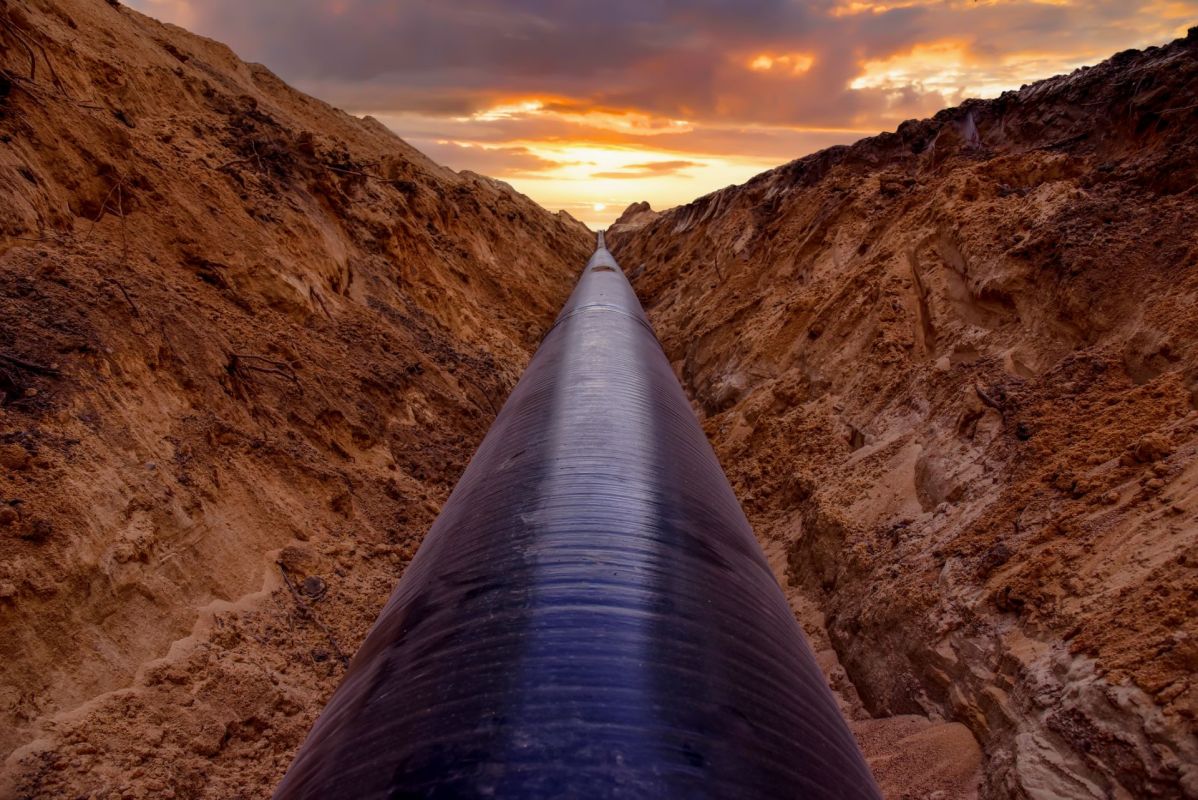
Work under Project RARE would span three states: About eight miles of pipeline in Massachusetts and Rhode Island would be replaced with wider pipe, Rhode Island would get an added segment, and a compressor station in Connecticut would be upgraded.
TCD Picks » Quince Spotlight
💡These best-sellers from Quince deliver affordable, sustainable luxury for all




Enbridge said the upgrade would add roughly 75 million cubic feet per day to the 1,100-mile system, which already delivers more than 3 billion cubic feet into the region each day, according to WBUR.
The news outlet noted that state regulators had already approved a 10-year plan for utility company Eversource to buy gas from Project RARE in a move the state said could save customers about $40 million each year.
Massachusetts has binding emissions targets that require reducing the use of fossil fuels, like natural gas, but residents are also pressing for relief from high utility bills.
Regionally, the energy crunch hits hardest in winter, when New England's limited gas capacity can force utilities and power plants to rely on pricier fuels such as liquefied natural gas, or LNG, and oil during demand spikes.
Green Energy Consumers Alliance executive director Larry Chretien told WBUR it is "a delicate dance," saying cheaper pipeline gas could reduce reliance on LNG while warning, "we don't want to see increased gas usage in Massachusetts."
More background
Fossil fuels affect more than just monthly bills. Their extraction, production, and burning are a major source of heat-trapping pollution, which drives increasingly destructive extreme weather events that can damage homes, jobs, and local economies.
They also contribute to air and water pollution linked to a range of health concerns — including asthma, heart disease, cancer, and premature death — while leaving households vulnerable to volatile energy prices even as large companies continue to profit. Critics have also argued that industry lobbying has slowed cleaner, cheaper energy solutions that could better protect families.
Some climate advocates say Healey's support for the project marks a sharp turn. Vick Mohanka, who leads the Sierra Club's Massachusetts chapter, told WBUR, "The Sierra Club is deeply disappointed by the governor's choices around fossil fuel expansion."
As attorney general, Healey opposed two earlier pipeline expansion proposals, according to the news outlet, but as governor she has framed the energy question as requiring a multifold strategy, including clean, renewable energy sources that can cut costs for consumers.
Where can I learn more?
Massachusetts' pipeline debate is part of a wider fight over gas infrastructure, household energy costs, and climate goals:
• In Washington, the Senate moved to block Biden-era methane rules critics said would raise costs.
• In West Virginia, aging coal plants kept driving costs onto ratepayers after decades of operation.
• In Colorado, a report warned taxpayers could face $3 billion in well cleanup costs.
• In North Carolina, state records tied a proposed Transco expansion to public health danger.

Get TCD's free newsletters for easy tips, smart advice, and a chance to earn $5,000 toward home upgrades. To see more stories like this one, change your Google preferences here.






