


Massachusetts gas companies are facing renewed scrutiny over the cost of the state's gas-pipe replacement program after letters published in response to a Sept. 13 Boston Globe investigation argued that ratepayers could ultimately pay about $42 billion.
Those responses deepened an already sharp dispute over the program, with opponents portraying it as a costly failure that keeps the state tied to polluting fossil fuel infrastructure.
Here's what to know
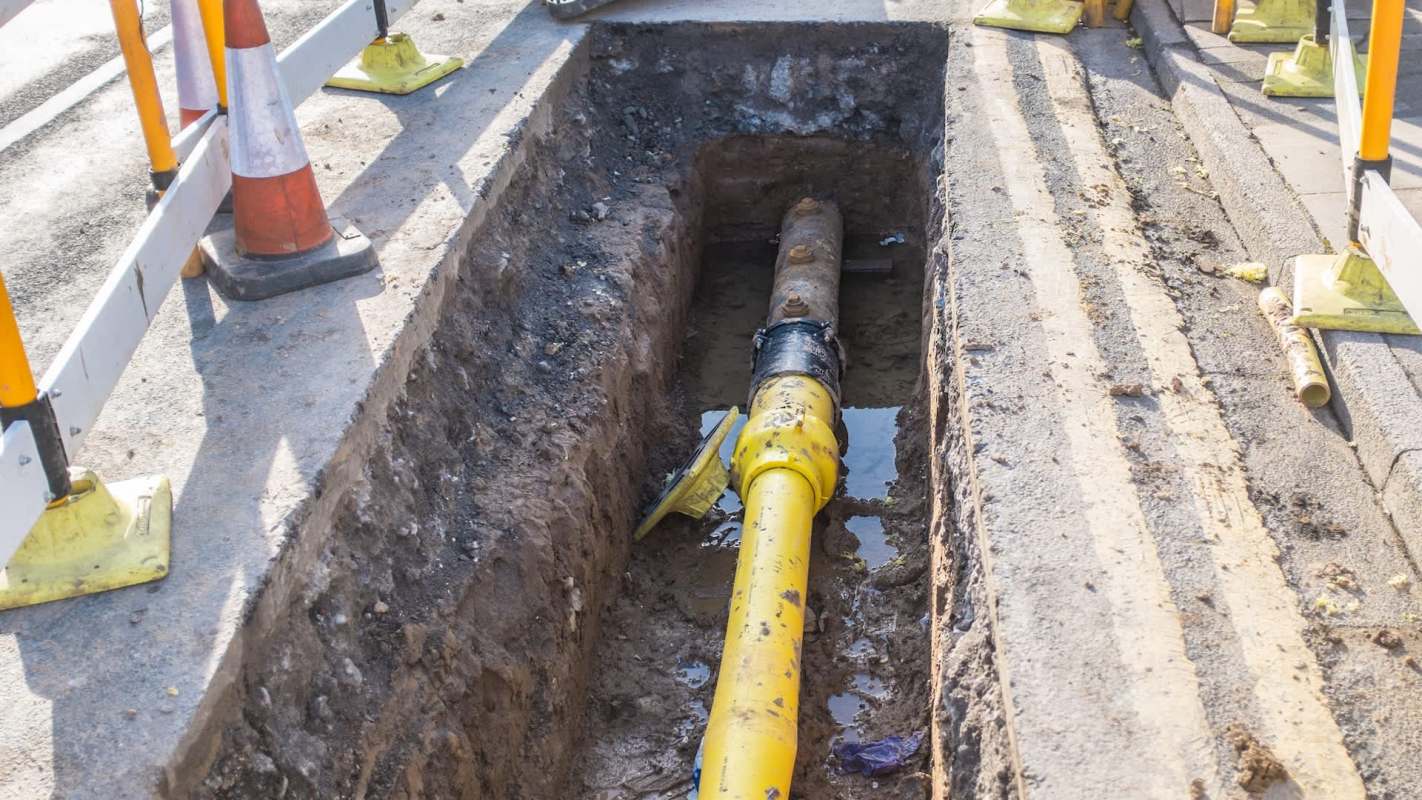
The arguments appeared in letters published by The Boston Globe on Sept. 20 after the newspaper's Sept. 13 Metro investigation of the Gas System Enhancement Program (GSEP). Created in 2014, the statewide effort was meant to improve safety by pushing utilities to fix leaks and replace pipes labeled "at-risk."
One letter highlighted Future of Heat Initiative findings that put the eventual customer cost at $42 billion once program spending has been fully paid off.
Writers critical of GSEP said the program has not produced the results it promised. One letter described it as having "misallocated resources and undermined public safety" and argued that it leaves Massachusetts paying for polluting fossil fuel infrastructure for years to come.
Backers of the program countered that this view ignores the value of replacing older pipes. In one response, the Globe report was faulted for overlooking "the long-term savings pipeline replacement programs deliver in operations and maintenance costs, and the safety and emissions-reduction benefits they provide."
TCD Picks » Quince Spotlight
💡These best-sellers from Quince deliver affordable, sustainable luxury for all




More background
Supporters frame pipe replacement as a reliability upgrade, but critics say the work also leaves customers financing gas infrastructure tied to fossil fuels well into the future.
As referenced in the letters, lawmakers are weighing a 2030 end date for GSEP. At least one writer said that schedule does not go far enough, arguing that "given the stakes, let's end GSEP now."
What's being done?
State lawmakers are considering whether to phase out GSEP by 2030, a change that could shorten the period during which utilities can continue billing customers for the program.
Utilities and other supporters said the replacement work still serves an important purpose. A letter defending GSEP argued that modernizing the natural gas delivery system helps reduce known material risks before incidents happen, and it said excavation damage is not chiefly a result of GSEP because digging also accompanies street projects, water and sewer jobs, electric upgrades, and private construction.
That same response also pointed to national industry figures showing a 70 percent drop in pollution from the natural gas distribution system since 1990.
Critics, though, maintain that those claimed gains do not justify either the cost to ratepayers or the longer-term commitment to gas infrastructure.
One letter said: "We should eliminate wasteful, ineffective, and potentially harmful programs such as the Gas System Enhancement Program, regardless of the cost of our gas bills."
Another letter insisted: "Upgrading pipes to more modern materials improves reliability of energy delivery and lowers emissions."
Where can I learn more?
These stories look at gas-policy shifts in Massachusetts, California incentives to avoid pipe replacements, and household electrification.
• Massachusetts communities went fossil fuel free, then utilities poured $100M into gas lines anyway.
• On Beacon Hill, lawmakers approved a major energy bill with unexpected provisions reshaping gas heating and cooling.
• In California, lawmakers advanced plans to pay households to ditch gas before costly pipe replacements.
• Across American homes, rebates and tax credits are helping people ditch their gas appliances for electric alternatives.

Get TCD's free newsletters for easy tips, smart advice, and a chance to earn $5,000 toward home upgrades. To see more stories like this one, change your Google preferences here.






