


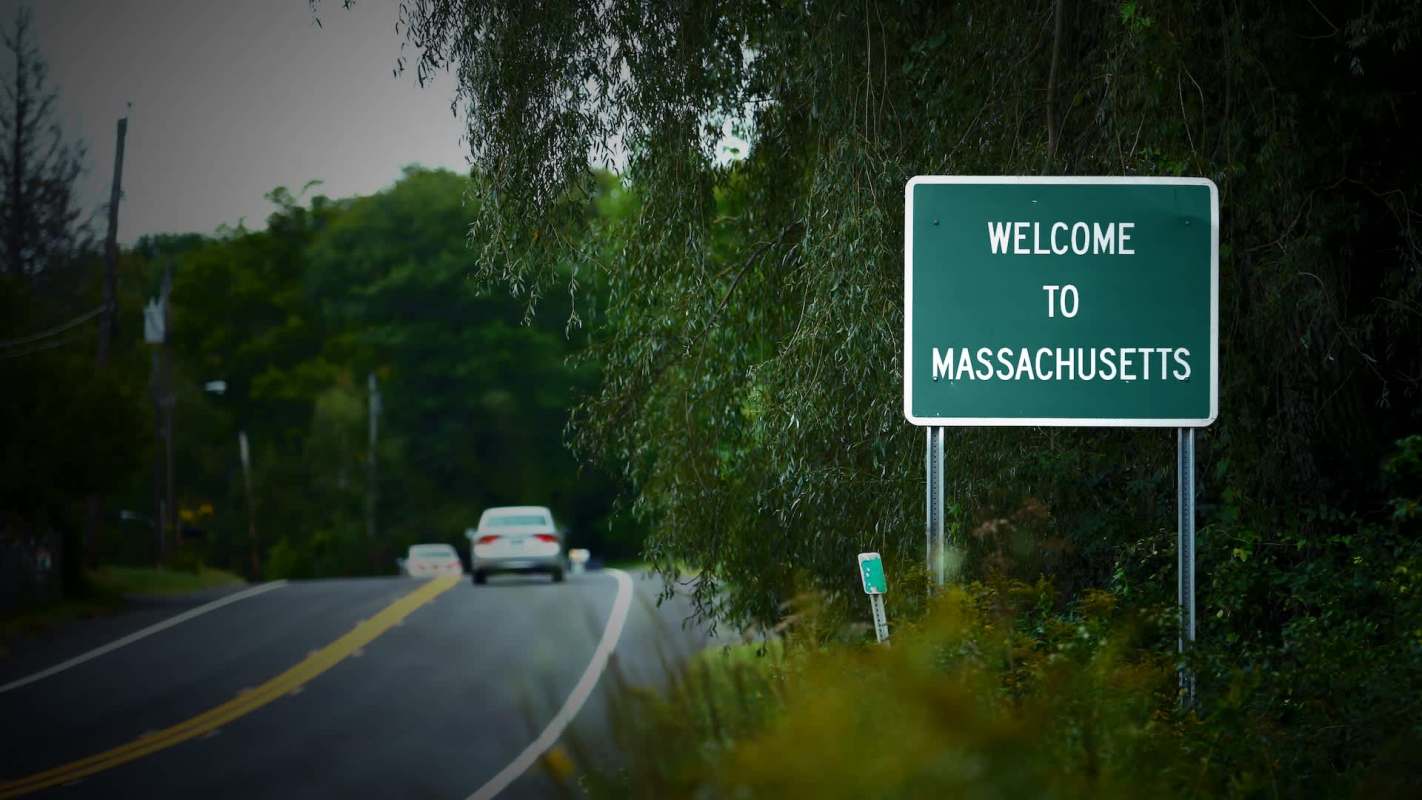
Massachusetts still does not have a single operating charger from a federal program for highway EV charging, even though the state received about $64 million to build them along major highways.
For drivers hoping for easier long-distance travel — and for communities that stand to benefit from cleaner air and lower transportation costs — the holdup is a major missed opportunity.
What happened?
The Biden administration's National Electric Vehicle Infrastructure program was meant to create a dependable charging network along highways across the United States. But CommonWealth Beacon reported that Massachusetts has not yet brought any of its NEVI-funded chargers online.
As early as 2022, the state projected that its roughly $64 million award could pay for 92 charging ports.
Massachusetts chose three vendors two years ago to scout locations and construct stations. So far, though, only Applegreen and Global Partners have completed contracts, while the status of the third company, Weston & Sampson, remains unclear, CommonWealth Beacon reported.
MassDOT says the vendors with signed contracts have spent nearly $4 million so far on preparatory work — including engineering, permitting, and procurement — rather than completed charging sites.
TCD Picks » Quince Spotlight
💡These best-sellers from Quince deliver affordable, sustainable luxury for all




According to CommonWealth Beacon, Applegreen has secured charging equipment for Greenfield and Newburyport and hopes to start construction in late July, while Global Partners has been authorized to order equipment and is finishing plans for Lancaster, Wrentham, and Raynham.
Why does it matter?
Public charging availability is one of the biggest factors shaping whether drivers feel comfortable switching from gas-powered vehicles to EVs. Without reliable chargers on major roads, many people may worry about getting stranded, particularly on long trips or if they do not have access to home charging.
Broader EV adoption can help households spend less on fuel and maintenance while reducing the tailpipe pollution that contributes to unhealthy air in nearby communities.
When a state that broadly supports EVs falls behind on charging infrastructure, it can slow progress toward cleaner transportation, lower driving costs, and better public health.
The situation also raises questions about whether communities are receiving the benefits they were promised from major federal climate and infrastructure investments. If funding remains unused, residents are left waiting longer for jobs, cleaner travel options, and a functioning charging network.
What are people saying?
The slow pace has frustrated advocates for transit and clean energy.
Jim Aloisi, a former Massachusetts transportation secretary, said, "The slowness of adoption here is mystifying," adding that the failure to roll out NEVI shows "the disconnect" in the state's EV strategy.
Eric Bourassa, a member of the state's Electric Vehicle Infrastructure Coordinating Council, said he is "not privy to the details of what's holding it up," but that "everyone would agree that the pace of NEVI deployment in Massachusetts has been disappointing."
Anna Vanderspek of the Green Energy Consumers Alliance put it even more directly: "We should be capitalizing on every opportunity that we have available to us. MassDOT should explain why it's taken so long and what timetable we can expect now."

Get TCD's free newsletters for easy tips, smart advice, and a chance to earn $5,000 toward home upgrades. To see more stories like this one, change your Google preferences here.






