


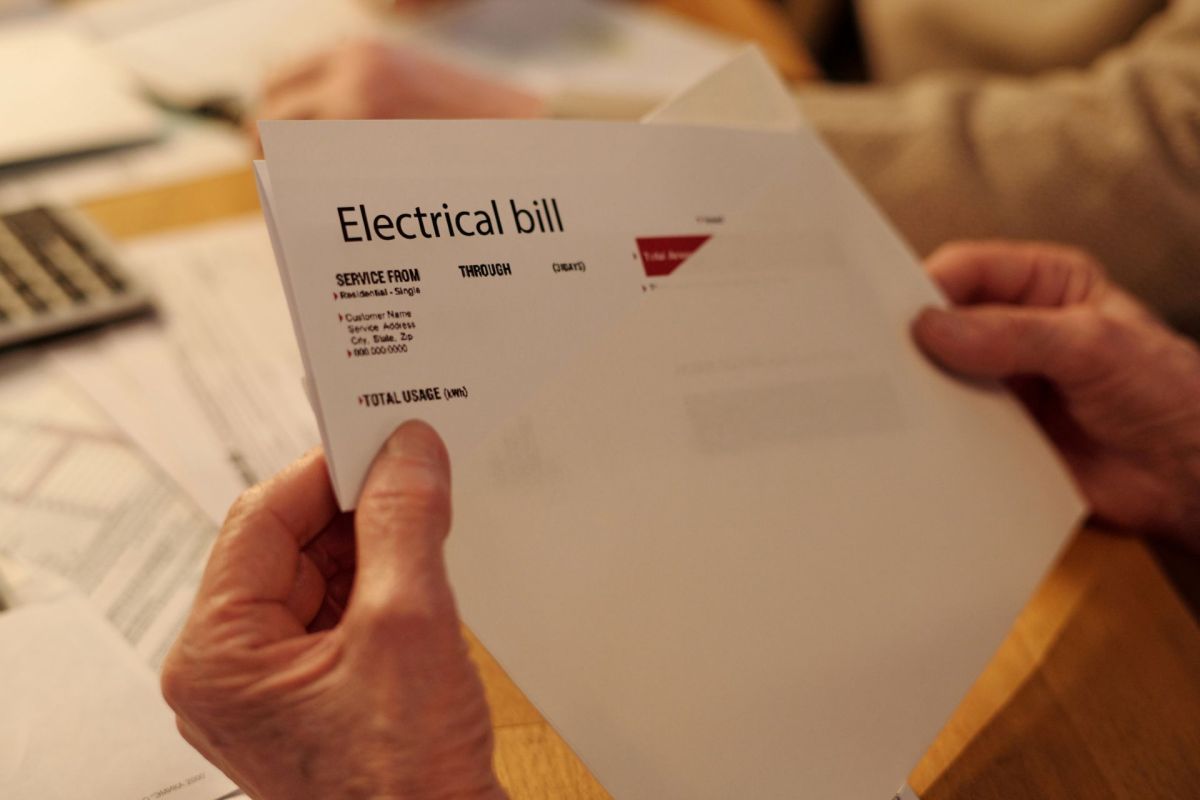
A Massachusetts energy bill aimed at saving customers billions of dollars has sparked a dispute between lawmakers and one of the state's major utilities over what is driving up electricity costs.
Eversource said the proposal would leave major causes of rising bills unresolved. A lead negotiator has characterized the utility's intervention as an effort to derail the legislation.
Here's what to know
Customers would save roughly $10 billion over a decade under the affordability bill Governor Maura Healey introduced in May 2025, her administration projected, according to The Boston Globe.
The proposal aims to reduce charges, strengthen accountability, and remove barriers to advanced nuclear technologies.
Eversource cited energy supply shortages during periods of peak demand and spending on clean energy incentives in its mid-October letter to legislators. It argued that neither chamber's version of the bill would meaningfully reduce customer bills.
State Senator Michael Barrett, the Senate's lead negotiator, criticized Eversource for intervening without proposing substitute legislative language. He said the company had previously withheld meaningful feedback.
TCD Picks » Quince Spotlight
💡These best-sellers from Quince deliver affordable, sustainable luxury for all




"This is not an attempt to change the bill for the better," he said. "This is an attempt to kill the bill."
Eversource spokesperson William Hinkle said the company had repeatedly raised its concerns, including directly with Barrett. He rejected the senator's characterization.
"To suggest that we're operating in bad faith is completely false," Hinkle said. "We are committed to transparency and helping customers, the Legislature and state officials better understand all the costs that make up their energy bills, and we provide information to that end on a daily basis."
More background
Utility bills topped the list of household budget pressures for more than one-fifth of respondents in the Globe's 2025 poll. The Globe also reported that prices had increased more than 40% in five years, citing figures assembled by the U.S. Chamber of Commerce.
Eversource's letter said annual clean energy program costs for electric ratepayers exceeded $1.46 billion in 2026. The company argued that the pending legislation would direct billions in additional spending toward clean energy programs and purchases without sufficient oversight.
Kyle Murray, who directs state program implementation at the Acadia Center, challenged the utility's emphasis on environmental spending in comments to the Globe, calling the letter "pretty wildly misleading."
Murray said the letter largely overlooked other pressures on customer bills, including fluctuations in natural gas prices, increased transmission and distribution costs, and the state's gas pipeline replacement program.
What's being done?
Both versions of the bill would crack down on third-party energy suppliers and promote solar energy. But negotiators remain divided over two programs that could significantly affect customer bills and the state's transition away from fossil fuels.
The House proposed cutting $1 billion from Mass Save, which supports energy efficiency and electrification and is the state's main means of helping residents move away from fossil fuels, according to the Globe.
The Senate instead proposed phasing out the Gas System Enhancement Program, a pipeline replacement initiative. Senators put the potential customer savings at up to $1.46 billion over a decade.
Pending bills will expire when a new legislative session begins in January, giving negotiators until then to reach a deal.
State Representative Mark Cusack, the House's lead negotiator, rejected the idea that the letter had damaged negotiations. His office had heard Eversource's concerns before receiving it, he said.
Despite the disagreement, Cusack remained optimistic about reaching a compromise, pointing to broad agreement between the two bills.
Responding to Barrett's warnings, he said he was disappointed that "the senator is already trying to lay blame for a failed process that hasn't failed yet."

Get TCD's free newsletters for easy tips, smart advice, and a chance to earn $5,000 toward home upgrades. To see more stories like this one, change your Google preferences here.






