


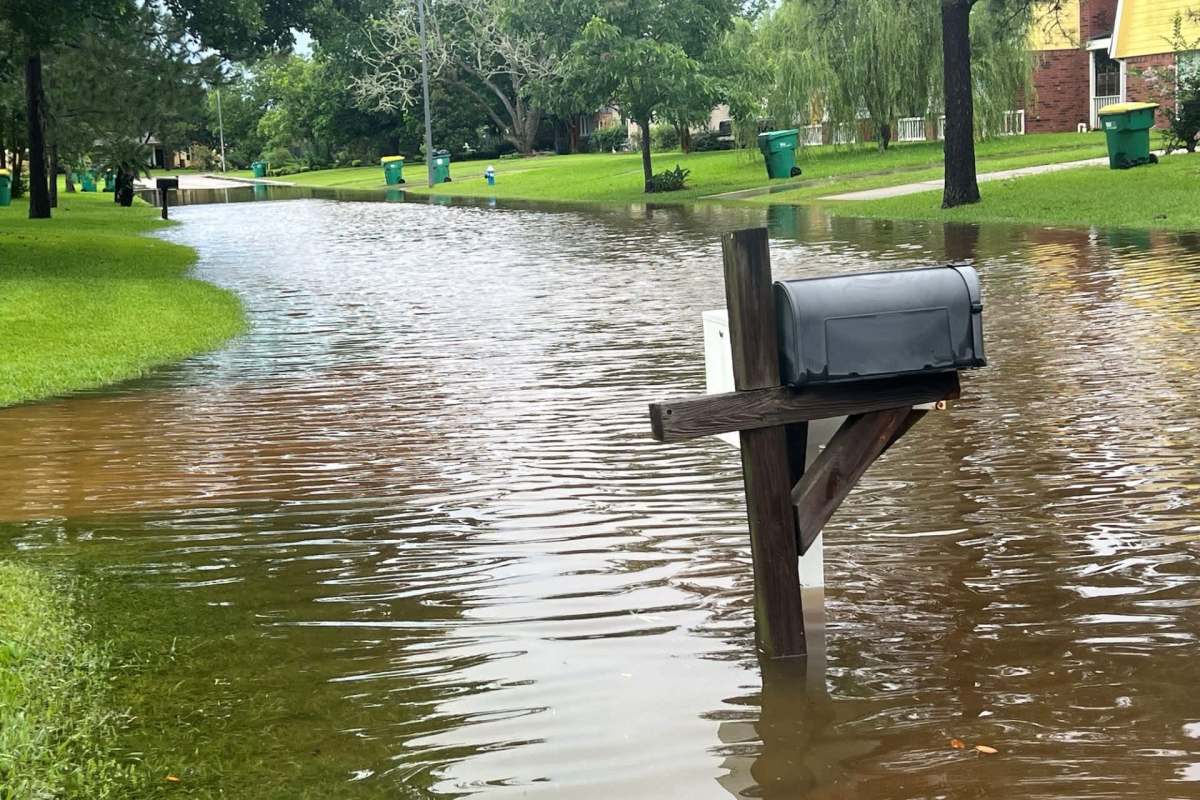
Massachusetts is putting tens of millions of dollars behind a problem many communities can already see firsthand when extreme weather washes out roads, overheats neighborhoods, and pushes public infrastructure to its limits.
As WWLP reported, a new round of state funding is intended to help cities and towns prepare before the damage grows even more expensive.
Here's what to know
The Healey-Driscoll administration announced in a press release that more than $45 million will go to 97 projects across Massachusetts. This will happen through ECO One Stop, the new Environment & Climate program within the Executive Office of Energy and Environmental Affairs. The money is intended to help communities respond to extreme weather.
"Massachusetts needs infrastructure that can withstand flooding, extreme heat and severe storms," Governor Maura Healey said in the release. "This $45 million investment will help communities protect residents, strengthen roads, dams, coastlines and other critical infrastructure and lower costs."
Across those awards, the focus is on resilience and public safety, with funding for infrastructure and natural-resource work involving roads, dams, coastlines, and other systems people depend on every day.
Rather than waiting for disasters to trigger emergency repairs, governments are increasingly investing upfront in protections that can reduce costs.
TCD Picks » Quince Spotlight
💡These best-sellers from Quince deliver affordable, sustainable luxury for all




More background
The grants will support projects across Massachusetts, where communities face different but related climate threats.
In some places, the biggest concern may be inland flooding or stormwater systems that can no longer keep up with heavier downpours. In others, extreme heat can place added strain on public health systems, especially for older adults, children, and people without easy access to cooling. Coastal communities, meanwhile, may be dealing with erosion and storm surge risks.
Stronger infrastructure can keep transportation routes open and lower the risk of service disruptions after major weather events. Restoring natural resources can also help buffer communities from damage while improving local ecosystems.
What's being done?
Massachusetts will use ECO One Stop as a single access point for climate and environmental grants.
"ECO One Stop is making it faster and easier for communities to access this funding," Healey also noted in the release.
That streamlined approach may be especially valuable for smaller municipalities that do not always have staff devoted to grant writing or infrastructure planning. Easier access can mean more communities can receive support before problems become emergencies.
The grants are also aimed at practical local work. For instance, Barnstable, Massachusetts, aims to restore 47 acres of retired cranberry bogs to revitalize the area's wetland ecosystem. Doing so will create more climate resilience in the area and help people learn about the environment.
When governments invest early in resilience, communities may avoid some of the much higher costs tied to rebuilding, emergency response, and repeated repairs after extreme weather occurs.

Get TCD's free newsletters for easy tips, smart advice, and a chance to earn $5,000 toward home upgrades. To see more stories like this one, change your Google preferences here.






