


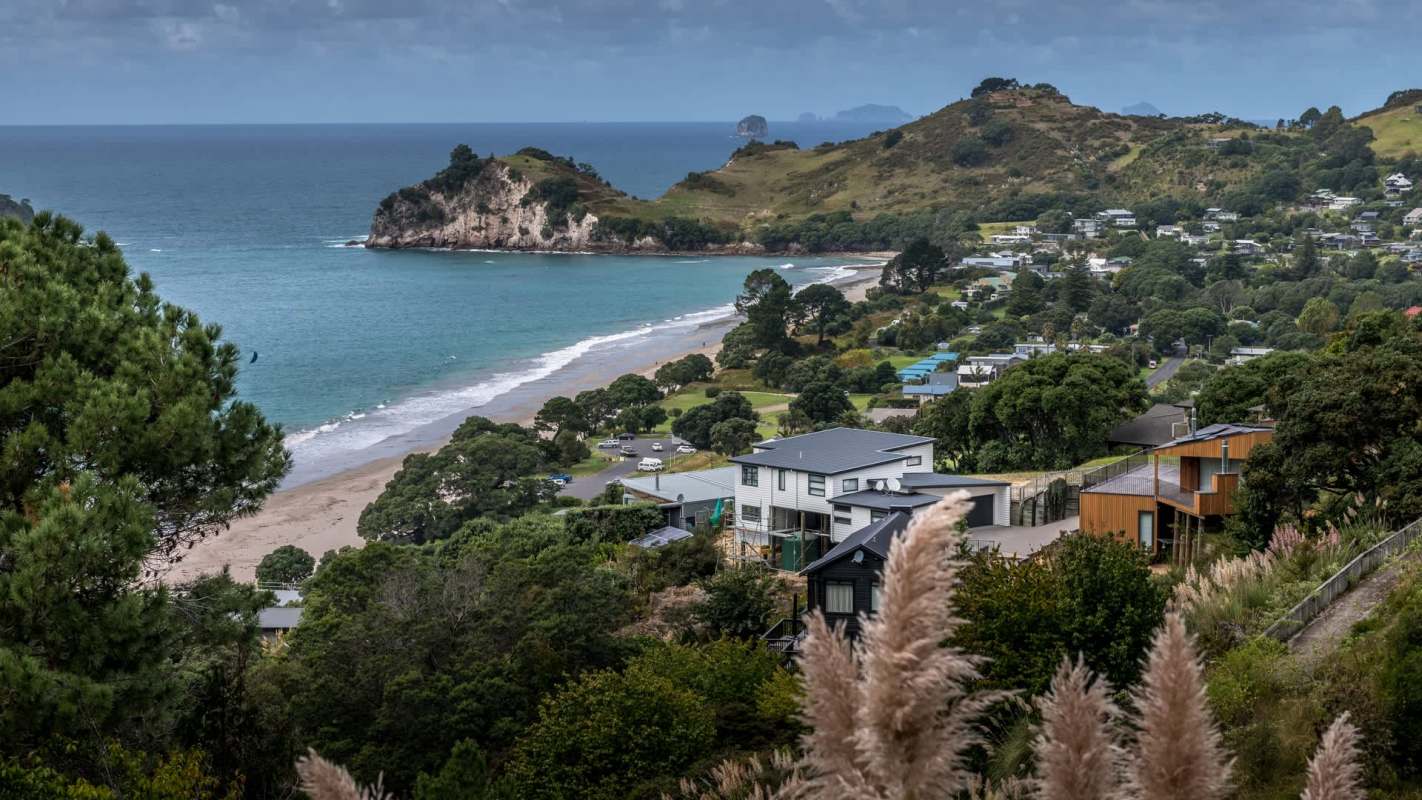
A district council in New Zealand has faced resistance to its plan to begin relocating more than 100 properties away from the sea if a series of triggers occur.
What's happening?
The Hurunui District Council codesigned a coastal adaptation plan with the community of Amberley Beach in 2023. According to The Press, the council bought nearly 215 acres of farmland about 1.7 miles from the beach and 20 meters (66 feet) above sea level.
If Amberley Beach continues to experience significant coastal erosion, the community intends to begin the process of managed retreat, moving 109 properties farther from the sea. The plan outlines seven triggers to inform the timeline, including a major event requiring at least 30 dwellings to rebuild and a single household losing flood insurance.
The average sea level worldwide has risen 8-9 inches since 1880, according to the National Oceanic and Atmospheric Administration. Oceans absorb most of the excess heat generated by human activities, leading to thermal expansion. Meanwhile, warmer global temperatures are melting glaciers and ice sheets.
"I suppose [coastal erosion] is something that is happening worldwide, isn't it? We've got to make these changes, because change is happening," retiree Anthony George, whose family owns a holiday house at the beach, told The Press.
Why is this important?
While floods have happened throughout history and would occur even if sea levels weren't rising, higher sea levels are making flooding events more severe. A warmer atmosphere also holds more moisture, meaning storms can unleash heavier and more intense precipitation.
TCD Picks » Quince Spotlight
💡These best-sellers from Quince deliver affordable, sustainable luxury for all




While Amberley Beach residents seem to agree that they need to prepare for the possibility of leaving their homes, some say their council is making decisions without sufficient input, including spending NZ$3.8 million ($2.2 million) for the farmland without families approving the location.
Amberley local Tony Trewinard, a forecaster for Blue Skies Weather, acknowledged the complexity of the situation — a situation other coastal communities may soon also face, if they aren't already grappling with how to manage sea-level rise.
"Coastal erosion is a big issue. We impose these legal boundaries of land that we own on a coast that is moving and so that creates all kinds of friction and difficulty when people see potential for their property disappear, and council sees potential for damage to roads and sewerage and water supply," Trewinard told The Press.
What's being done about this?
While managed retreat may become the only option for some communities, restoring oyster reefs and mangrove forests are among the natural solutions to protect against storm surges and erosion. A Japanese company is developing a seawall system to protect against tsunamis.
|
Should we be creating robots that act like living beings? Click your choice to see results and speak your mind. |
 No way 🙅
 Learning about critical climate issues is the first step toward understanding the problem and what we can do about it.
Small actions, such as reducing your reliance on single-use plastics, can reduce harmful carbon pollution from dirty fuels that trap heat in the atmosphere and contribute to the overheating of the planet.
The Cool Down's Solar Explorer can connect you with vetted solar providers to help you further reduce pollution and save money on your energy bills.

Join our free newsletter for good news and useful tips, and don't miss this cool list of easy ways to help yourself while helping the planet.






