


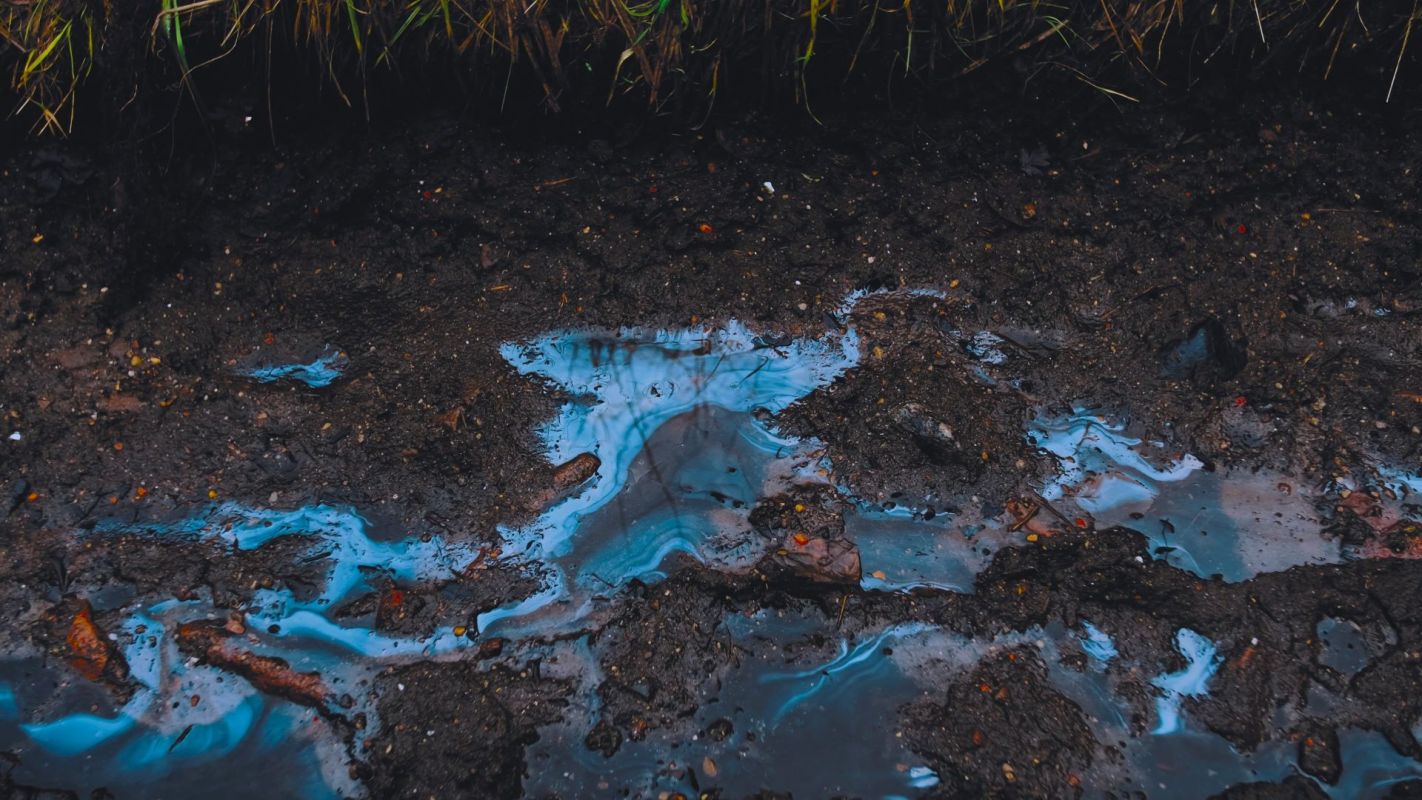
The state of Maine will be removing the toxic chemicals known as PFAS — also known as "forever chemicals" — from sewage sludge that often gets reused as fertilizer, The Guardian reports.
These poisonous chemicals are believed to contaminate food and water on farmlands and other nearby areas.
PFAS, which stands for Perfluoroalkyl and Polyfluoroalkyl Substances, refers to a large class of thousands of synthetic chemicals used for different purposes, such as the production of products resistant to heat and water.
Aside from contaminating soils and waterways, they have been found in the blood of people and animals and may have harmful health effects, such as cancer and congenital disabilities. They get their nickname because they don't break down naturally and can slowly build up in the environment — or our bodies.
The news comes after a recent agreement in which chemical companies Chemours Co., DuPont de Nemours Inc., and Corteva Inc. settled claims that they contaminated several U.S. public water systems with PFAS. The companies deny the allegations but will ultimately pay $1.19 billion as part of their settlement.
Years ago, the toxin-filled sewage sludge was simply dumped into the ocean, which caused numerous environmental problems, as The Guardian reported.
As a fix, the Environmental Protection Agency (EPA) approved it for use as fertilizer. However, that presented problems of its own, as fertilizer with PFAS still contains toxic chemicals that can end up in groundwater, eventually finding its way into rivers, streams, and drinking water.
Last year, Maine became the first state to ban the use of PFAS-laden sludge for this purpose.
But disposing of these "forever chemicals" remains quite a challenge, and public health officials are skeptical of the technology that is expected to make it happen, with uncertainty as to whether or not it will be ready for industrial-scale use in the near future.
In laboratory settings, experts in the field have been able to eliminate PFAS, but the facilities meant to reproduce the same results in the real world have not been successful as of yet.
TCD Picks » Quince Spotlight
💡These best-sellers from Quince deliver affordable, sustainable luxury for all




Meanwhile, Laura Orlando, a sewage system engineer with Boston University and an expert on PFAS issues, seemed more realistic when highlighting the difficulties of eliminating PFAS.
"It's a nightmare," she told The Guardian. "And that's why you don't see these facilities all over the place."
Regarding the elimination of PFAS, Scott Firmin, the Portland Water District (PWD) director of wastewater services, admitted that "it might not … all happen at once."

Join our free newsletter for cool news and actionable info that makes it easy to help yourself while helping the planet.
Cool Picks






