Jakarta's discarded food does not necessarily have to be buried in a dump. Across the city, more businesses are advancing the idea that leftovers can be useful inputs instead of just trash to be hauled away.
What's happening?
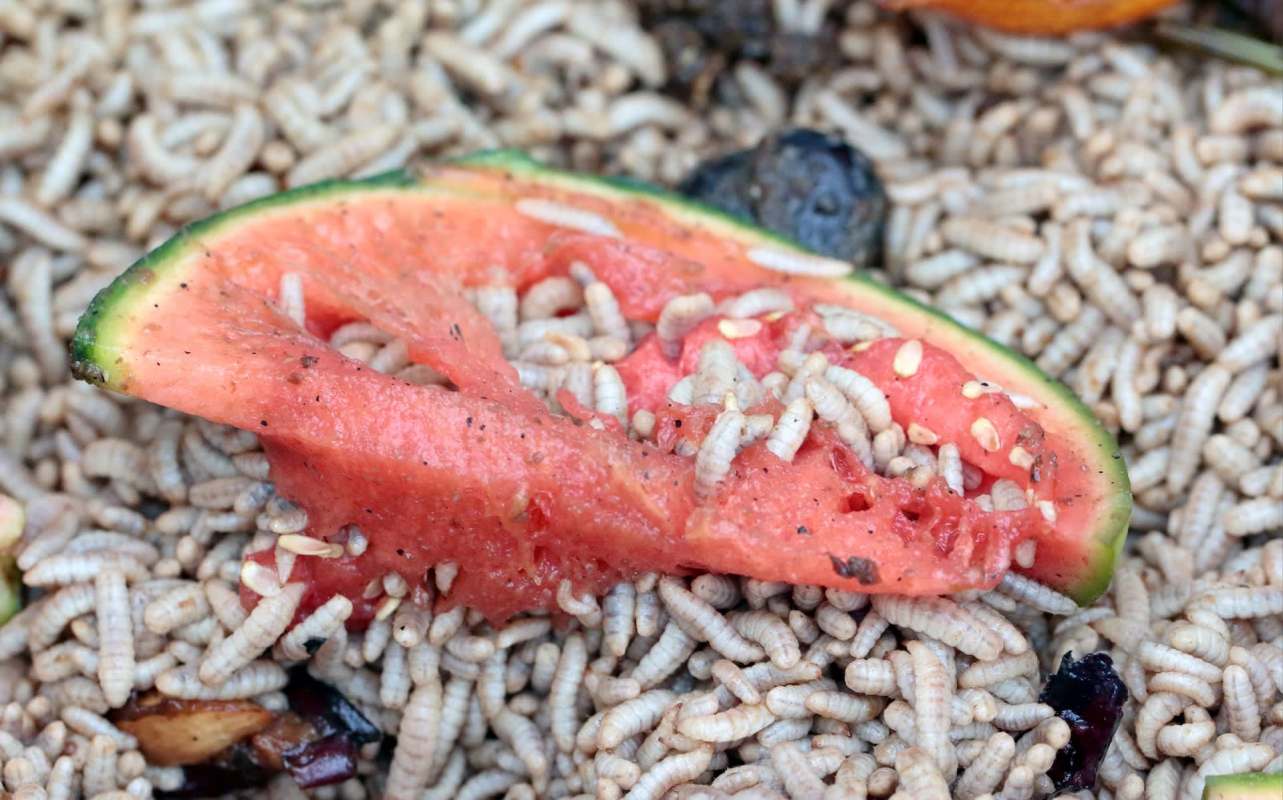
As reported by TanahAir.net, Terra Maggot CEO Axel Tilaar is putting black soldier fly larvae to work on food waste gathered from Jakarta businesses.
In about a month, the insects mature into flies and restart the process.
The setup serves two purposes at once: it cuts down organic waste and generates products that can be sold. The larvae can become feed for fish and farm animals, and the leftover residue can be processed into fertilizer.
The company says a current partner location can handle about 100 kilograms (220 pounds) of waste each day. Tilaar has also described plans to grow further through full waste-processing sites, more investment in processing operations, and "maggot blocks" that would let others raise larvae independently.
Possible locations under consideration range from roughly 1,000 to 3,000 square meters (10,764 to 32,292 square feet ).
TCD Picks » Quince Spotlight
💡These best-sellers from Quince deliver affordable, sustainable luxury for all




Why does it matter?
In Jakarta, the downsides of food waste are not limited to a single problem.
Once food scraps are tossed together with plastic, packaging, and other refuse, recovering them becomes more difficult and handling them more expensive. Cities then need additional space for disposal, and businesses miss out on any value that could have been captured from what they discarded.
If organic material were separated where it is generated, collection could become more reliable for hotels, restaurants, markets, and food courts. That same system could also provide a more consistent stream of fertilizer and feed inputs, potentially benefiting farmers and fish producers.
There are also implications for sanitation and daily urban life.
Better sorting can mean less dirty, unhealthy waste accumulation and a simpler system for managing city trash. It also prevents plastic and other mixed garbage from contaminating organic material that could otherwise be used productively.
What's being done?
Terra Maggot offers one example of how this could work, though wider success would require supporting infrastructure beyond a single farm.
For these operations to function well, businesses need to keep food waste separate before it is collected rather than mixing it with everything else.
Government action could help shape that system. Jakarta could push or require major waste generators to separate organics, set up collection routes specifically for that material, link waste suppliers with processors, and define safety rules for fertilizer and feed made with insects.
Keeping unwanted materials out of the waste stream can improve the performance of food-waste programs.
Tilaar described both the benefit and the difficulty this way: "Because all of this comes from food waste taken from hotels and restaurants, the advantage is that it has high protein," but "We have to sort it first for the maggots, so that the composition is good and the protein content is high."

Get TCD's free newsletters for easy tips, smart advice, and a chance to earn $5,000 toward home upgrades. To see more stories like this one, change your Google preferences here.