


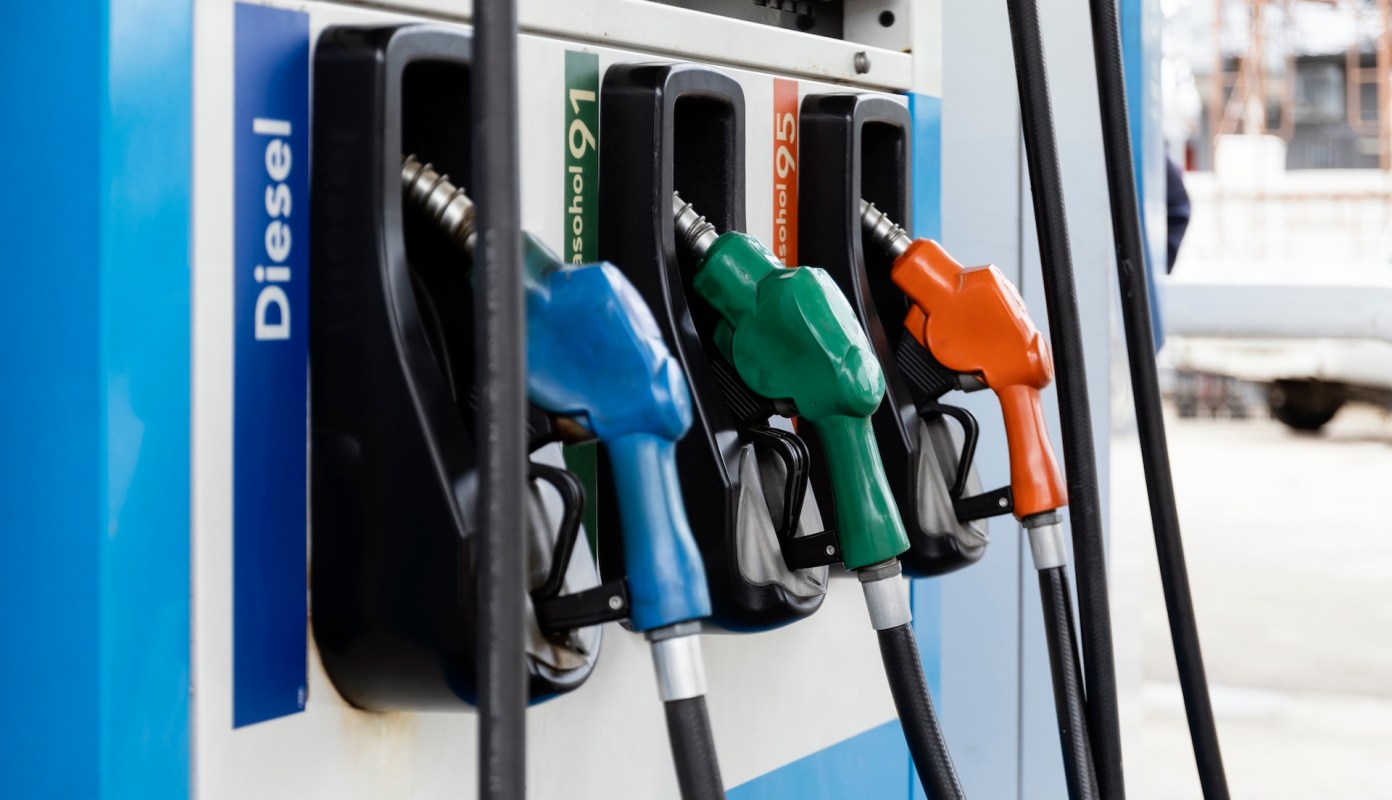
Los Angeles County drivers are once again paying more than $6 per gallon for regular gasoline, turning everyday errands, commutes, and school drop-offs into a much heavier monthly expense.
AAA and Oil Price Information Service data cited by MyNewsLA show that self-serve regular in Los Angeles County averaged $6.038 on September 13 after a 26-day run of increases.
Here's what to know
The Los Angeles County average increased 1.7 cents on September 13 and is now at its highest level since June 2. Over the 26-day streak, the average has climbed 39.6 cents.
Orange County's pattern is similar. The average there rose 1 cent to $6.008, its highest point since May 29. Over the 26-day span, the countywide average has increased 43.3 cents.
For someone who drives 1,000 miles a month in a car that gets 25 miles per gallon, the change works out to about $16 in extra monthly fuel costs. Nationally, AAA says the average price reached $4.313.
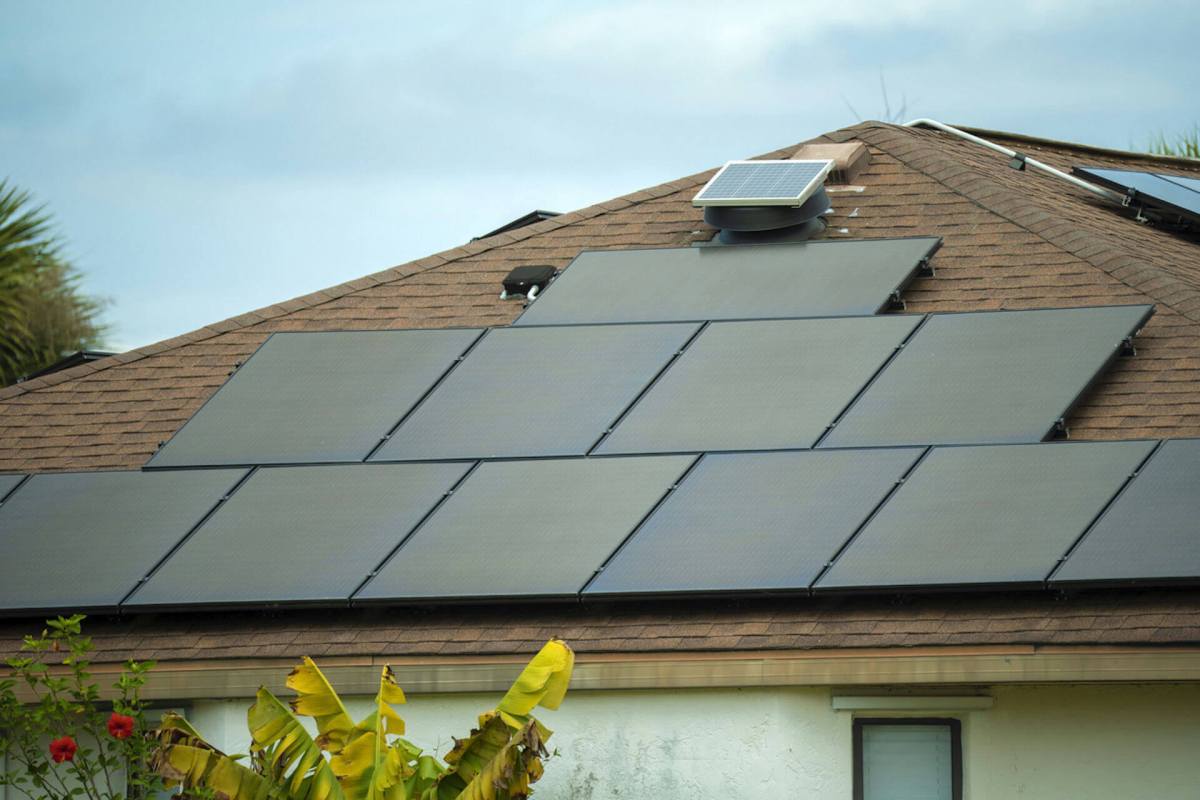
One of the best ways to save money on home energy is going solar, which can help offset other rising utility and fuel costs. Readers who want to compare options can explore EnergySage.
More background
Higher oil prices tied to conflict in the Middle East appear to be driving the increase.
The timing is also unusual. The AAA, formerly the American Automobile Association, said, "The national average is increasing during a season when gas prices typically go down due to lower gasoline demand." Patrick De Haan, head of petroleum analysis at GasBuddy, said the national average is unusually high.
Save $10,000 on solar panels without even sharing your phone number Want to go solar but not sure who to trust? EnergySage has your back with free and transparent quotes from fully vetted providers that can help you save as much as $10k on installation. To get started, just answer a few questions about your home — no phone number required. Within a day or two, EnergySage will email you the best local options for your needs, and their expert advisers can help you compare quotes and pick a winner. |

Outside of volatile gas prices, burning coal and gas harms people and communities. Coal- and natural-gas-fired power plants release air and water pollution linked to asthma, heart disease, cancer, and premature death.
What can be done?
Drivers can ease the strain by combining trips, comparing gas prices before filling up, carpooling, or using public transit when possible. Relying less on gas and other fuel sources can better protect against price swings.
Those exploring rooftop solar can use EnergySage's solar map to see state-level costs and find solar incentives.
With EnergySage's help, the average person can save up to $10,000 on solar purchases and installations, and its free services can also make shopping for solar less daunting.
More From EnergySage
💡Go deep on the latest news and trends shaping the residential solar landscape

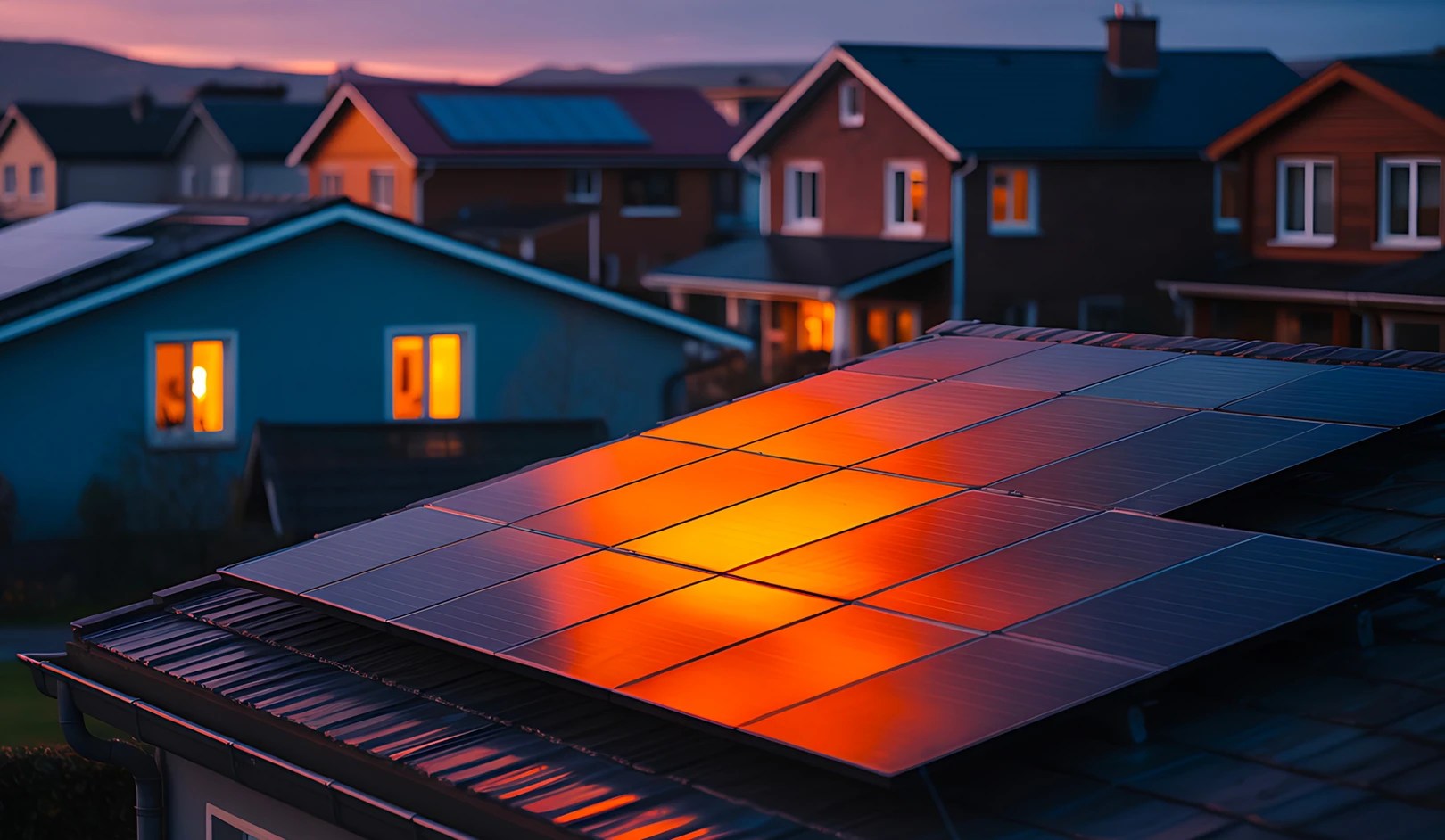

Readers interested in home battery storage options can add battery storage to a solar setup, which is one of the best ways to protect a home during outages, save on energy costs, and go off the grid. Those interested can explore EnergySage for competitive installation estimates.
Doug Shupe, media and public relations manager for the Automobile Club of Southern California, said in a statement released Sept. 10, "Oil prices are now near or over $100 a barrel due to continued supply concerns related to the Middle East conflict, and that has pushed up pump prices locally and nationally."
Where can I learn more?
Gas topping $6 a gallon is one piece of a larger story that also touches public health, power bills, and the pace of the clean-energy shift. These articles look at how oil, gas, and coal can drive costs and pollution well beyond the gas station, while wind and solar point to a different path.
• Across hard-hit communities, premature deaths and asthma are rising with fossil-fuel pollution.
• In Colorado, regulators are making oil and gas companies confront methane leaks.
• In West Virginia, aging coal plants have impacted consumers for decades through persistent utility costs.
• U.S. Energy Information Administration data show solar and wind produced more electricity than coal.
For anyone feeling the squeeze from rising fuel costs, that broader context matters. The same fossil-fuel system behind volatile gas prices also affects air quality, household budgets, and how quickly cleaner options can take hold.

Get TCD's free newsletters for easy tips, smart advice, and a chance to earn $5,000 toward home upgrades. To see more stories like this one, change your Google preferences here.






