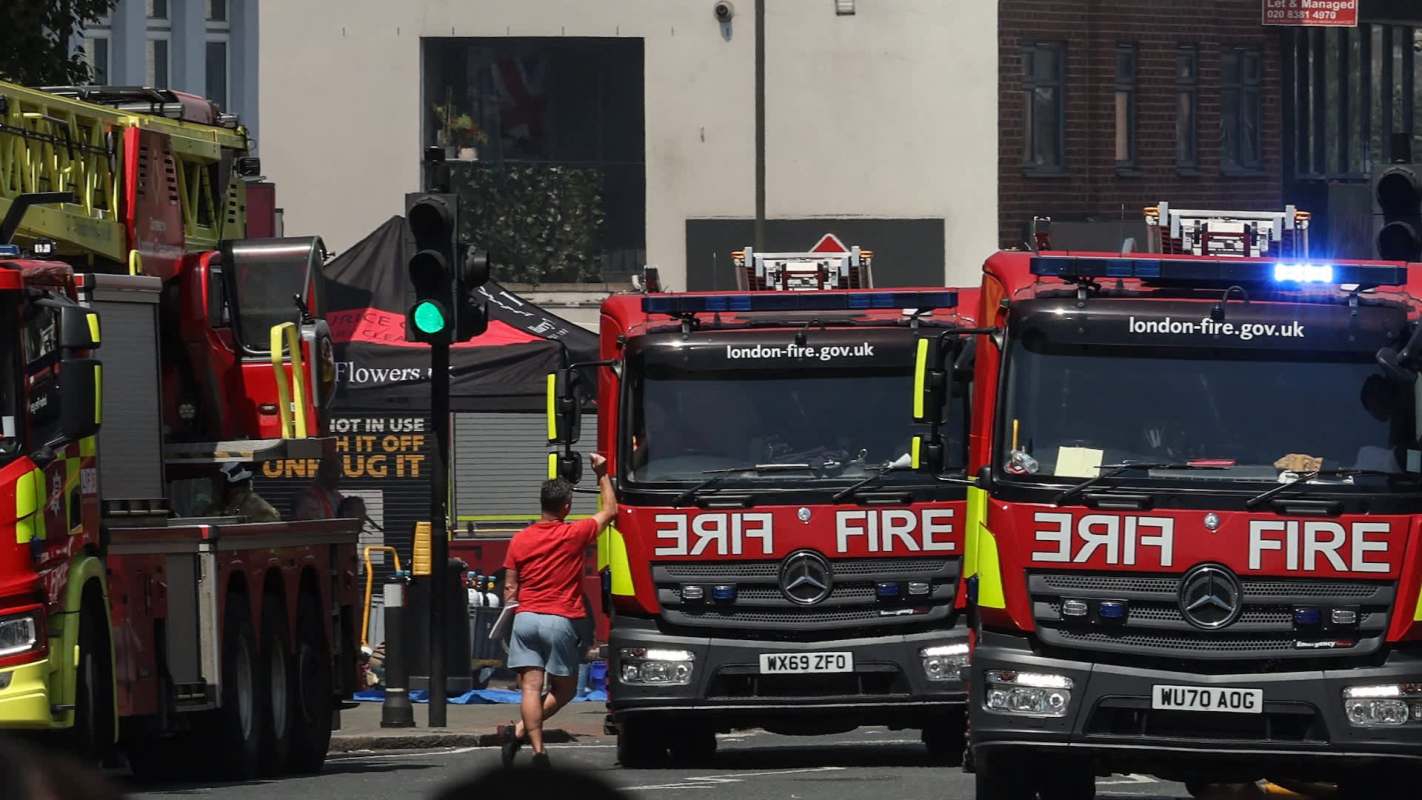
A fire involving 55 tons (50 metric tons) of household waste severely damaged a recycling facility in southeast London, disrupting rail service and sending heavy smoke over nearby buildings.
The impact extended beyond the facility, affecting nearby residents and train service, according to The Independent.
Here's what to know
The London Fire Brigade said the recycling facility on Landmann Way in Deptford was left "severely damaged" after about 100 firefighters and 15 fire engines were sent to the blaze.
Crews battled the fire from shortly before 8 p.m. until just after 2 a.m. on Aug. 18.
Because of the heavy smoke, people living nearby were advised to close their windows and doors, and train service between New Cross and London Bridge was suspended during the response.
Station Commander Duncan Rees described the effort.
TCD Picks » Quince Spotlight
💡These best-sellers from Quince deliver affordable, sustainable luxury for all




"One of the Brigade's 32m ladders and a 64m ladder were both used as water towers to tackle the flames from above," he explained.
The same facility had another fire in June; in that earlier incident, a van and a car were destroyed, and one man was treated at the scene.
More background
When a recycling center catches fire, the effects can reach well beyond the property itself.
Nearby residents often face air-quality concerns, commuters can be caught up in transit disruptions, and local waste systems can lose processing capacity at facilities designed to handle materials rather than divert them elsewhere.
Recycling infrastructure is often expected to process enormous volumes of mixed household waste, including packaging and other disposable materials, which can strain sorting systems.
Even when recycling systems work as intended, they still depend on storage, handling, and safety measures that can manage large amounts of combustible material.
When those systems break down, the public can face the consequences in real time — through smoke, delays, emergency response costs, and damage to facilities that communities depend on.
What can be done?
In the short term, emergency response offers the greatest protection.
Crews from stations including Deptford, East Greenwich, and Old Kent Road helped bring the blaze under control, and personnel remained on site to extinguish lingering pockets of fire.
Repeated incidents like this can underscore the need for stronger fire-prevention measures at waste and recycling facilities, including better monitoring, safer storage practices, and faster removal of accumulated material.
Reducing the amount of difficult-to-process packaging entering the waste stream can help ease pressure on facilities over time, and choosing plastic-free alternatives for everyday products is one practical way to cut back on disposable materials that become waste at home.
That alone will not solve infrastructure failures. But less unnecessary waste means less strain on systems that may already be vulnerable to disruption.
"Crews worked hard in difficult conditions to bring the fire under control. Whilst the fire is under control, crews will remain on scene into the morning and afternoon as they work to extinguish the remaining pockets of fire," Rees said of the blaze.

Get TCD's free newsletters for easy tips, smart advice, and a chance to earn $5,000 toward home upgrades. To see more stories like this one, change your Google preferences here.