


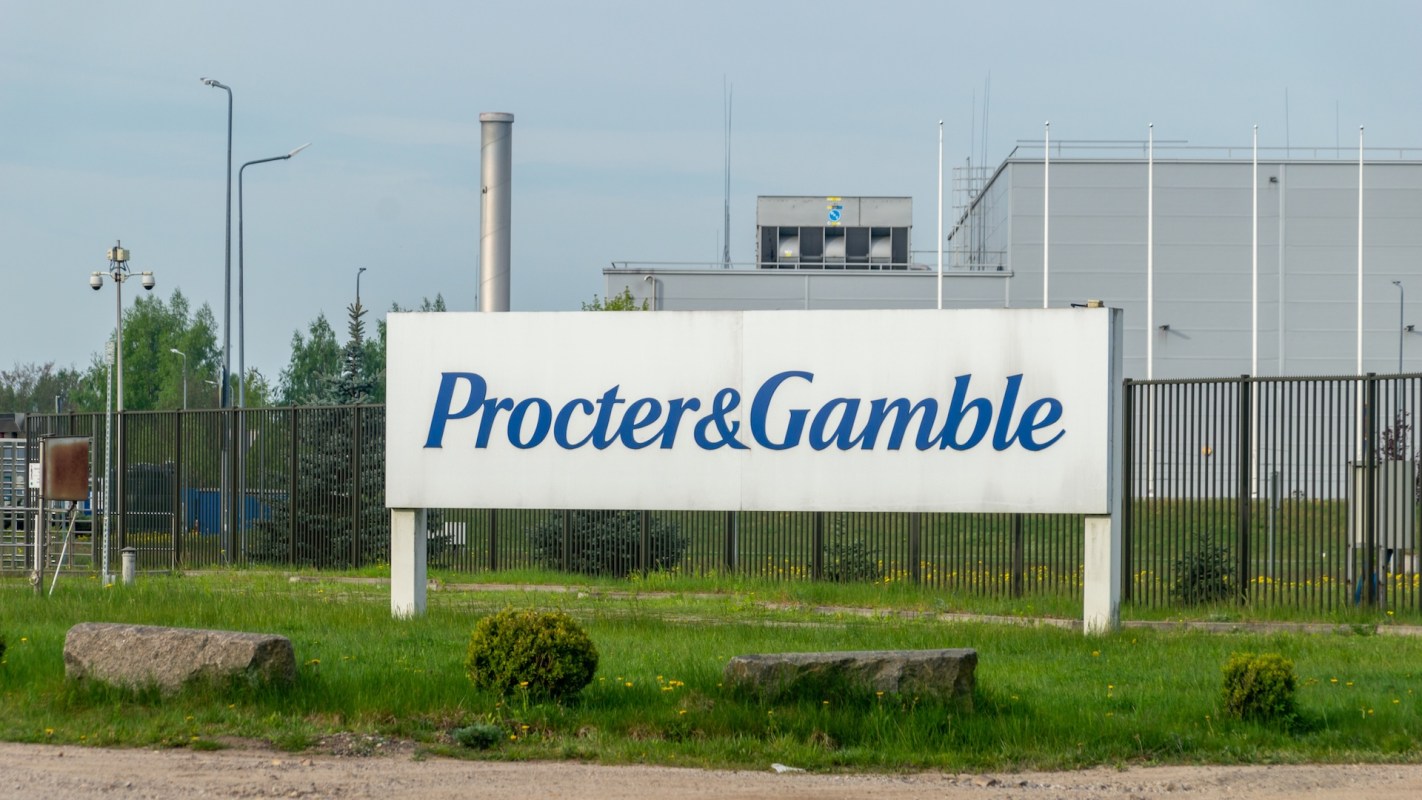
A new class action lawsuit is targeting Procter & Gamble over claims that certain Secret deodorants marketed as "unscented" may not actually be unscented.
The complaint said the labeling could mislead shoppers who are specifically trying to avoid fragrance ingredients for health or sensitivity reasons.
What happened?
Plaintiff Lisa Phaneuf filed the proposed class action against Procter & Gamble in the U.S. District Court for the District of Massachusetts, alleging that some Secret Invisible Solid Antiperspirant and Deodorant products were marketed as unscented even though they allegedly contain fragrance.
The lawsuit said P&G used the "unscented" label to appeal to consumers seeking products without fragrance ingredients. Phaneuf said some shoppers avoid fragrance because of concerns about skin irritation and allergic reactions.
"Plaintiff and class members would not have purchased the products — or would not have paid as much as they did to purchase them — had they known the unscented representation was false," the lawsuit stated.
It also said: "Plaintiff and class members would not know the true nature of the products by looking at the front labels of the products."
TCD Picks » Quince Spotlight
💡These best-sellers from Quince deliver affordable, sustainable luxury for all




According to the site Top Class Actions, Phaneuf is seeking to represent a nationwide class, along with a Massachusetts subclass of buyers who purchased the products during the relevant statute of limitations period. The complaint accuses P&G of fraud and unjust enrichment and seeks a jury trial, monetary relief, restitution, attorneys' fees, and other remedies. If the claims move forward, the case could draw additional scrutiny to labeling claims.
Why does this matter?
For many shoppers, an "unscented" label is more than a preference — it can be the deciding factor in what they buy.
People with sensitive skin, allergies, or fragrance-related irritation often rely on clear labeling to help them avoid products that could trigger discomfort.
Misleading product claims can make routine shopping more complicated and more expensive, especially for people trying to make informed decisions about what they put on their bodies.

Get TCD's free newsletters for easy tips, smart advice, and a chance to earn $5,000 toward home upgrades. To see more stories like this one, change your Google preferences here.






