


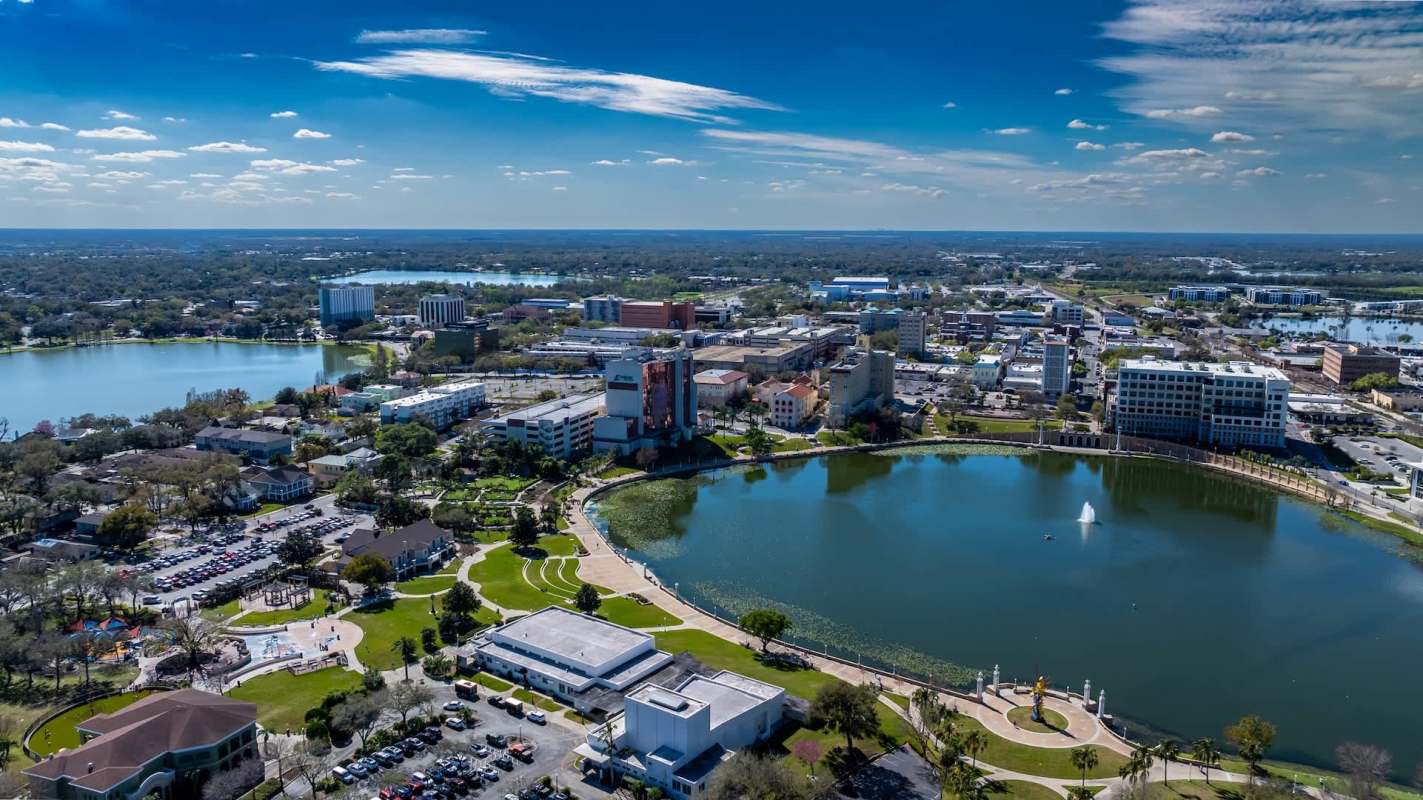
What Lakeland, Florida, decides to do about data centers may matter outside of the city's limits, according to The Ledger.
What happened?
Commissioners are weighing a 12-month suspension on new data centers and other major industrial projects, and the proposal would extend across all of Lakeland Electric's service territory rather than stopping at the city line.
According to The Ledger, about 40% of the municipal utility's customers are outside Lakeland, including in communities as far away as Polk City and Medulla.
At a meeting on July 20, City Attorney Palmer Davis told officials that Lakeland's ownership of the utility allows it to set terms of service.
"As the owner of our utilities, we have the ability to put reasonable conditions on the provision of service," Davis said, as relayed by The Ledger.
Utility leaders said they favor a temporary pause while the city examines how very large new electricity users might affect the grid.
TCD Picks » Quince Spotlight
💡These best-sellers from Quince deliver affordable, sustainable luxury for all




Scott Bishop, Lakeland Electric's assistant general manager for energy delivery, told commissioners, "I like the moratorium, I appreciate it. My heart is around reliability and affordability for our customers. Anything large doesn't feel that way."
Davis also said the proposal, as currently written, would prevent any data center from moving forward during the ban unless the commission approves an exception.
Why does it matter?
Data centers can bring tax revenue and investment, but they also consume enormous amounts of power. Many households and small businesses worry they will eventually see higher costs or weaker service. In a stretch of the eastern United States, data center demand directly contributed to a whopping 76% increase in power prices, according to Monitoring Analytics.
From Lakeland Electric's standpoint, the concern is that large-load projects could alter the system before local officials are ready, as reported by The Ledger.
Bishop said the utility wants time to review federal guidance and determine whether it can add enough generation and transmission capacity. He noted that taking a large generator from construction to operation can require about 18 months to two years.
Supporters of a temporary ban say it could give city leaders time to protect reliability and affordability while figuring out how to prevent new development from shifting costs to ratepayers.
Bishop affirmed, "I don't want to see a single person impacted by additional data centers."
Opponents say a broad moratorium could also halt smaller projects that may already have the infrastructure they need. Commissioner Ashley Troutman said the city should focus on "large-utility demand facilities" instead of naming all data centers.
What's being done?
City leaders are treating the proposed one-year pause as an opportunity to study possible impacts and decide whether longer-term rules should govern major electricity users.
Davis said Commissioner Guy LaLonde asked whether Lakeland Electric might later create a policy for large-load customers, and Davis said he would recommend that, per The Ledger.
Officials also talked through narrower options. Troutman suggested that projects expected to use 25 megawatts or less should still be allowed to move through the development process.
Residents, meanwhile, urged officials to write the policy carefully so it does not leave loopholes, The Ledger reported. Some said the city should consider a longer moratorium if additional study is needed to consider all potential impacts.

Get TCD's free newsletters for easy tips, smart advice, and a chance to earn $5,000 toward home upgrades. To see more stories like this one, change your Google preferences here.






