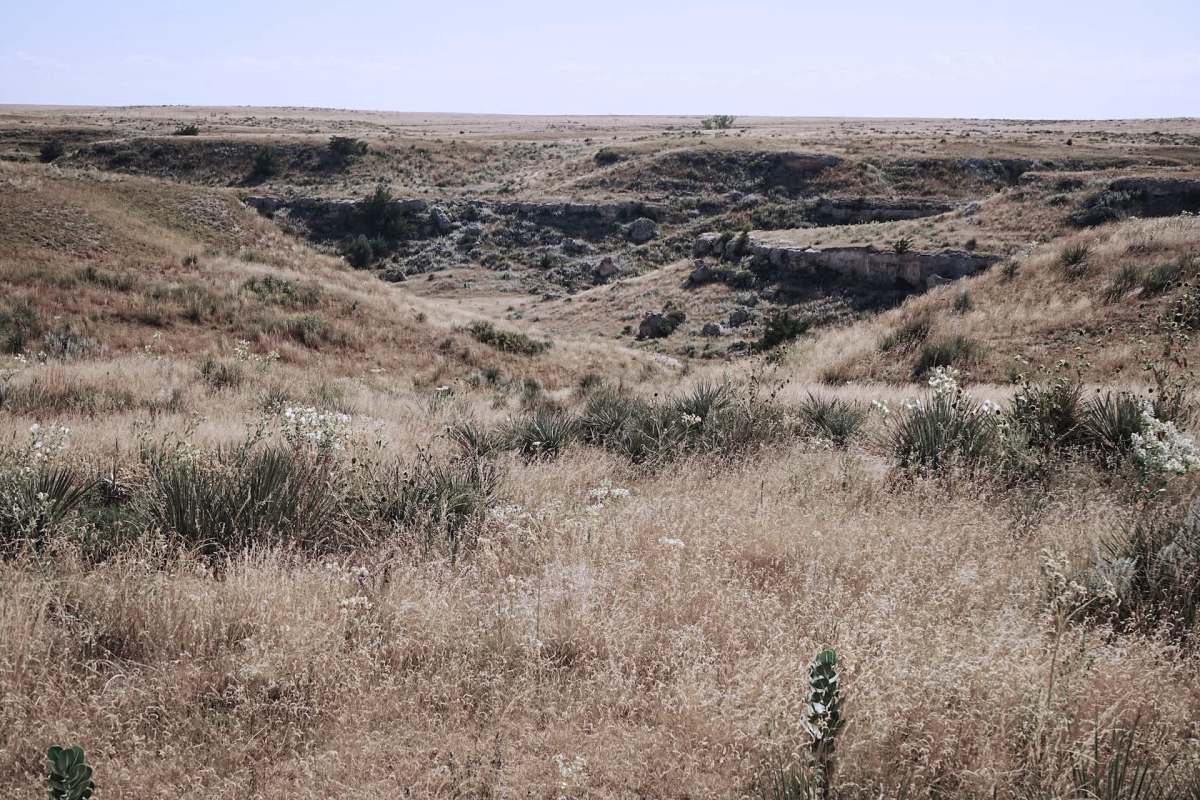
After a 2022 Keystone pipeline rupture in Kansas sent heavy crude into a creek and nearby pasture, the system's operator could soon be facing one of the largest financial penalties in years linked to a U.S. crude pipeline spill.
What happened?
According to The Guardian, Kansas would receive more than $3 million for environmental restoration under a proposed legal settlement. Meanwhile, South Bow, the Canada-based operator of the Keystone system, would be required to pay a $26.9 million civil fine and put roughly $40 million toward measures meant to prevent future spills.
The deal would settle allegations from Kansas officials and the U.S. Environmental Protection Agency that the December 2022 rupture violated both federal and state clean water laws.
Nearly 13,000 barrels of heavy crude poured into a creek in Washington County, about 150 miles northwest of Kansas City.
Officials said no workers or local residents were injured and that public water supplies were unaffected. Even so, the release was the largest U.S. onshore crude pipeline spill in nine years, and the amount spilled was nearly enough to fill an Olympic-sized swimming pool.
Court filings indicate the damage extended beyond the creek. More than 2,700 animals were harmed or killed, and the surrounding area is habitat for the endangered long-eared bat.
TCD Picks » Good Store Spotlight
Get 10% off your next purchase with code TCD10



A later government-backed engineering report found that the bend at the rupture site had probably been under excessive stress since its installation in 2010.
Why does it matter?
Large oil spills can cause lasting damage in areas important to local ecosystems, ranchland, waterways, and wildlife.
The government's complaint said the soil beneath the pipe was compacted improperly and that, after the site was re-excavated in 2013, the company did not replace that section of pipe.
Coal and natural gas power plants contribute to air and water pollution linked to asthma, heart disease, cancer, and premature death, while also keeping energy costs high for households that remain tied to these fuel sources instead of cheaper, more abundant resources such as sunlight and wind.
TCD Picks » Quince Spotlight
💡These best-sellers from Quince deliver affordable, sustainable luxury for all




Industry lobbying has also helped delay cleaner energy solutions that could better protect families and lower monthly bills.
The Keystone system carries heavy Canadian tar sands crude to refineries in Illinois, Oklahoma, and Texas.
In April, President Donald Trump greenlit a proposal by South Bow and another company for a second pipeline between Canada and Wyoming.
What's being done?
The proposed decree was filed Friday in federal court in Kansas, but it is not yet final. It still requires a judge's approval after a 30-day public comment period.
South Bow said it began its response before official government directives were issued and completed environmental remediation in February 2024.
The company also said it has since carried out more than 12,000 miles of pipeline inspections and dug 400 excavations to inspect pipes and make repairs where necessary.
Jeffrey Hall, U.S. Environmental Protection Agency assistant administrator for its enforcement office, said, "The substantial penalty reflects the seriousness of the environmental harm."
South Bow spokesperson Sara Hunter said the company's repair campaign "reflects our ongoing commitment to the safe, reliable operation of our pipeline system and to continuously strengthening pipeline integrity."

Get TCD's free newsletters for easy tips, smart advice, and a chance to earn $5,000 toward home upgrades. To see more stories like this one, change your Google preferences here.