


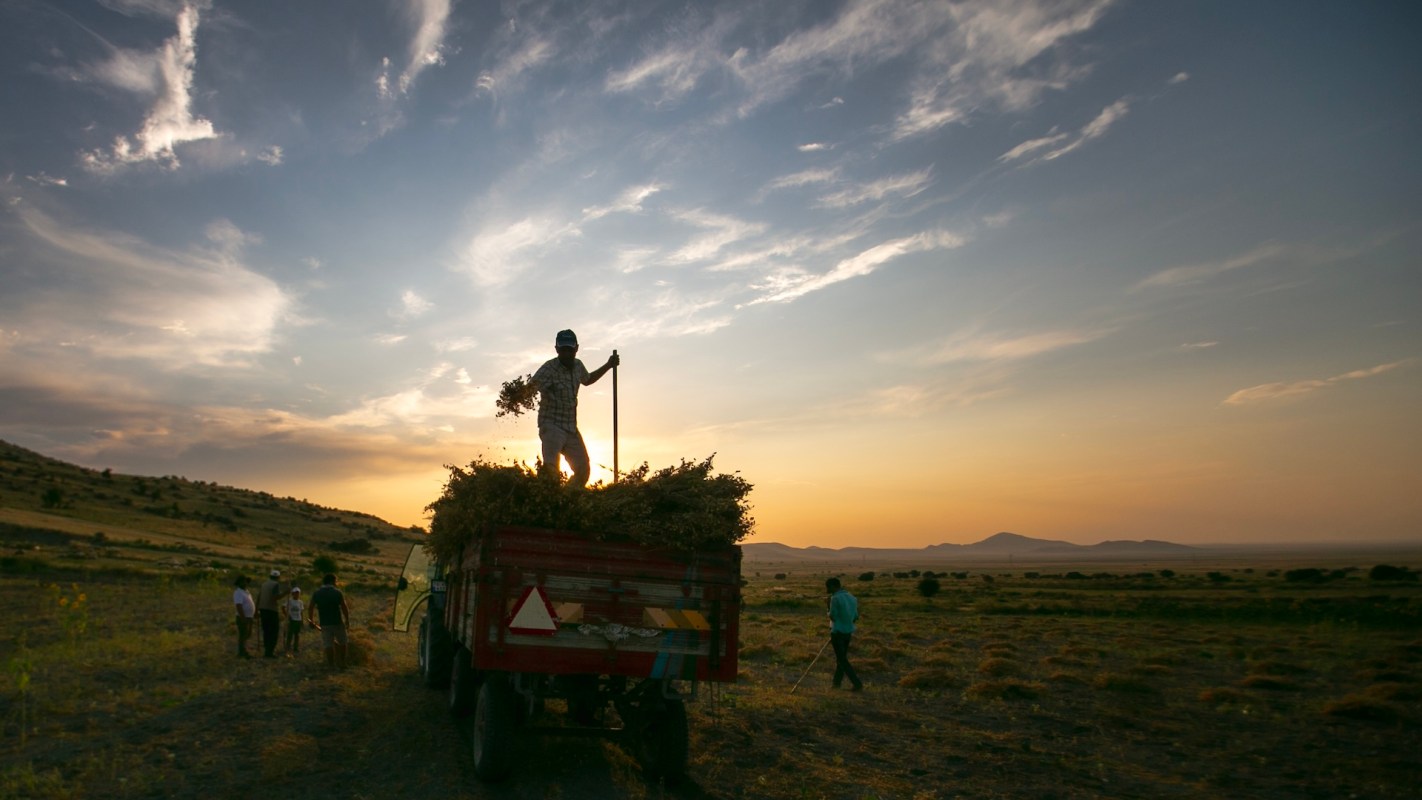
Before the hottest part of the day sets in, many specialty farmers are already far into their routines.
Across parts of the Midwest, growers are now reorganizing their days around sunrise harvests, due to climate change-fueled levels of extreme heat.
What's happening?
As reported by The Baltimore Sun, the recent heat dome, a weather pattern that traps heat and humidity, has made farming conditions tougher for both the workers and the crops they are trying to bring in.
High temperatures can also affect crop quality if produce is picked too late in the day.
Annie Woods, a Kentucky farmer interviewed by the Associated Press, explained that federal crop insurance isn't designed to help specialty farmers who grow a large number of different plants on smaller farms. Instead it helps protect single crops with just one growing season, primarily aiding large-scale commodity farms.
Duncan Orlander, who works as a policy specialist with the National Sustainable Agriculture Coalition added that federal insurance programs are both underutilized and difficult to navigate for specialty farmers.
TCD Picks » Quince Spotlight
💡These best-sellers from Quince deliver affordable, sustainable luxury for all




He told the AP that "We're not keeping up with the losses and the extreme weather that we're seeing. And we have to think a little bit differently about how we are going to mitigate risk and cover losses into the future when these things occur."
Why does it matter?
As extreme weather worsens, events like heat waves can damage crops while also putting both worker safety and incomes at risk.
Specialty farms can be especially vulnerable because many grow a wide variety of fruits and vegetables on smaller plots of land and many of these crops can lack coverage despite worsening heat events.
And since federal crop insurance is still built largely around commodity crops such as corn, soybeans, and wheat, smaller growers are often left dealing with fewer resources or burdensome paperwork.
But farmers are making practical changes. Many are instituting changes to when harvests occur, adding artificial shade, and taking frequent water breaks. But these efforts can only go so far.
Policy experts say broader fixes are still necessary, including stronger insurance options for specialty crops and revenue-based support programs that are easier to use.

Get TCD's free newsletters for easy tips, smart advice, and a chance to earn $5,000 toward home upgrades. To see more stories like this one, change your Google preferences here.






