


For people living with alpha-gal syndrome, a tick bite can turn something as ordinary as a hamburger into a serious medical concern.
One Kentucky farm is offering an unexpected alternative: ostrich.
Here's what to know
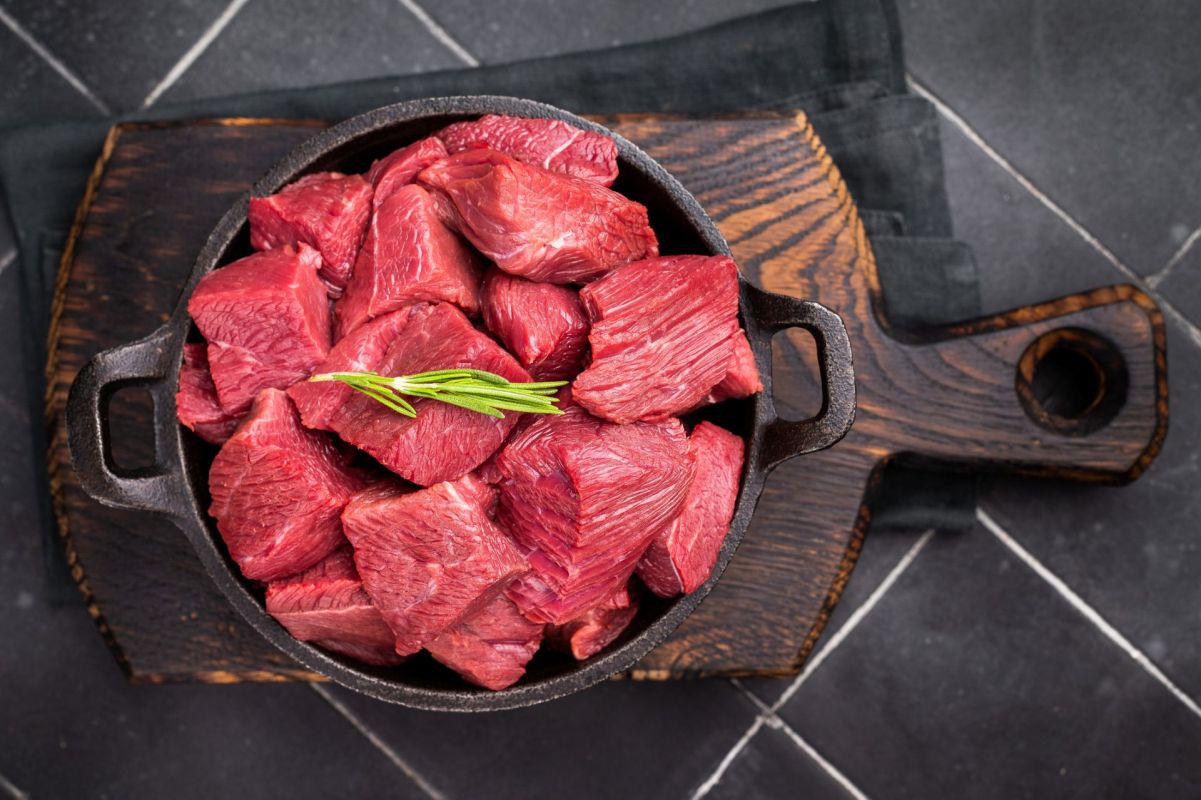
Although ostrich meat is dark red and often compared to beef in taste, it comes from a bird rather than a mammal.
That makes it an option for many people living with alpha-gal syndrome, a red-meat allergy associated with certain tick bites that can cause hives, diarrhea, and itching after consuming even small amounts of mammal meat. Poultry and seafood are still safe for many people with the condition.
Demand for ostrich meat from people with alpha-gal syndrome is helping spur growth at Alpha Roost Farms in Danville, Kentucky. As Fortune reported, the farm has more than 400 ostriches, and expects to have about 700 by 2027.
Brent Williams, a nutritionist and partner at Alpha Roost Farms, said customers' reactions have been emotional.
TCD Picks » Quince Spotlight
💡These best-sellers from Quince deliver affordable, sustainable luxury for all




"The people that have alpha-gal that I talked to that have tried an ostrich burger, most of them are almost in tears," Williams told the publication. They tell him, "You just don't know how bad I missed this."
More background
The condition is still unfamiliar to many Americans and remains relatively new to medical study.
Williams said he knows how disruptive it can be. He explained to Fortune that his first allergic reaction came in 2017 after he ate a steak sandwich, and he said an allergist quickly asked whether a tick had bitten him. Williams added that even meat fumes or ingredients such as gelatin can cause problems, complicating everyday decisions about food and medication.
Summing up the appeal, Alpha Roost Farms owner W.D. King said: "People who haven't had a hamburger in six or seven years really want one."
What's being done?
Ostrich producers are responding to this demand with more caution than farmers did during the industry's 1990s boom.
"The U.S. producers that jumped both feet in in the '90s, they were all operating under the premise that these were 300-pound chickens," as Michael Lehman, an Oregon ostrich farmer and vice president of the American Ostrich Association, told Fortune.
In Texas, Clark Ostrich Farm operator Boyd Clark said his flock of about 1,200 birds should be 50% larger by 2027.
"We get calls weekly from various restaurants or even small stores in different parts of the country that you wouldn't think would even want to carry ostrich, but they're looking for it because they've got customers wanting it," he said.
For consumers, that could mean greater access to a protein option that helps life feel more normal again, even if it comes at a premium price. After an alpha-gal diagnosis, it may also help to explore other non-mammal choices, such as plant-based food.
"The mouth feel, the taste, the texture, it brought me good memories … because there's only so many ways you can cook a chicken," Williams said.
Where can I learn more?
Ostrich is just one option for people who miss the taste and texture of beef but are rethinking what goes on the plate.
• Start-ups are adding animal fat to plant-based meat for a more convincing bite.
• Flavor company T. Hasegawa is developing a game-changing flavor for plant-based protein.
• A food-tech company is transforming fungi into protein as alternative diets continue to expand.

Get TCD's free newsletters for easy tips, smart advice, and a chance to earn $5,000 toward home upgrades. To see more stories like this one, change your Google preferences here.






