


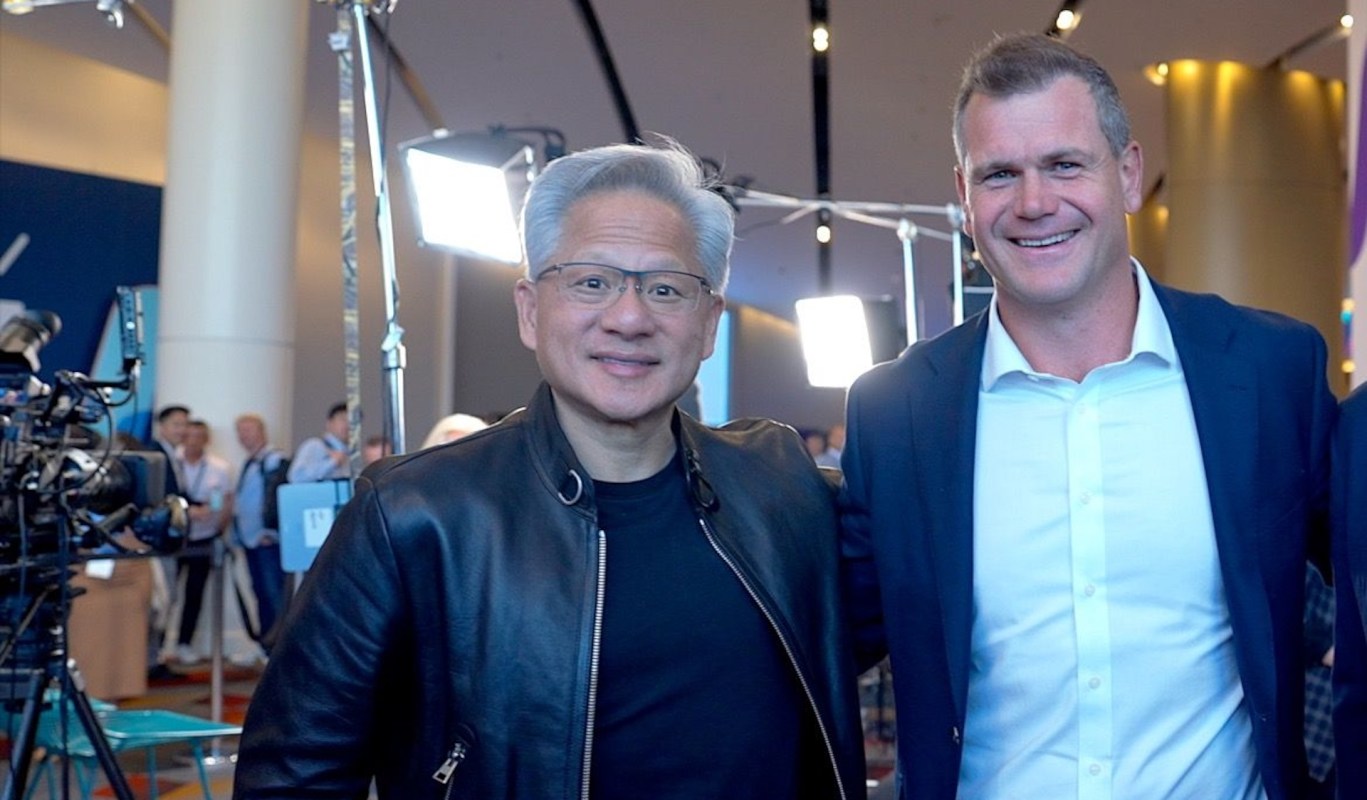
The fight over executive compensation at IREN is becoming a broader concern for investors. Opponents of the plan say the Australian neocloud company's co-CEOs could wind up making more than Nvidia CEO Jensen Huang despite IREN being much smaller.
For everyday shareholders, that kind of disconnect raises a basic question: Who benefits when a high-growth tech company hands out enormous compensation packages at the top?
What happened?
After revealing a huge retention package for its co-CEOs, Nasdaq-listed IREN, a Sydney-based company that may have moved away from bitcoin mining, has come under heavy criticism, according to Capital Brief.
A central complaint is the comparison with Nvidia: critics say the two executives could eventually receive more than Huang, even though, as Capital Brief noted, he leads a company more than 300 times larger.
The argument has also spilled across finance-oriented social media. Capital Brief reported that family offices, smaller investors, and even an IREN board director have been pulled into the dispute over the package.
Backers of the award say the issue may fade with time. EMJ Capital investor Eric Jackson said the grant could become "a footnote." Among those pushing back are prominent short seller Jim Chanos and unhappy shareholders, including Neel Khokani, whom Capital Brief describes as the founder of the Dubai-based family office Epochal Corporation.
TCD Picks » Quince Spotlight
💡These best-sellers from Quince deliver affordable, sustainable luxury for all




Why does it matter?
Large executive pay packages can affect more than public perception. When compensation appears disconnected from the company's size, financial performance, or long-term value creation, investors may worry that leadership is being rewarded before the business has fully proven itself.
It also points to a trust problem. When a company jumps from one hot sector — in this case, bitcoin mining — into another fast-rising space such as AI-related cloud services, investors often expect disciplined spending and strong oversight.
A giant pay package can instead look like a sign that excitement is outrunning accountability.
What's being done?
So far, the biggest response has been public scrutiny. Shareholders, short sellers, and market commentators are openly questioning whether the package makes sense for a company valued at around $13.9 billion.
That kind of scrutiny can force boards and management teams to explain how executive pay aligns with performance.
Compensation disclosures, proxy statements, and governance policies can offer a clearer picture of whether executives are being rewarded for lasting business results or simply for benefiting from enthusiasm around a fast-growing sector.
A move away from bitcoin mining toward "neocloud" or AI-adjacent services may sound promising, but it can also raise questions about whether the core business is actually improving, whether leadership incentives are reasonable, and whether a single stock deserves an outsized place in a portfolio.

Get TCD's free newsletters for easy tips, smart advice, and a chance to earn $5,000 toward home upgrades. To see more stories like this one, change your Google preferences here.






