


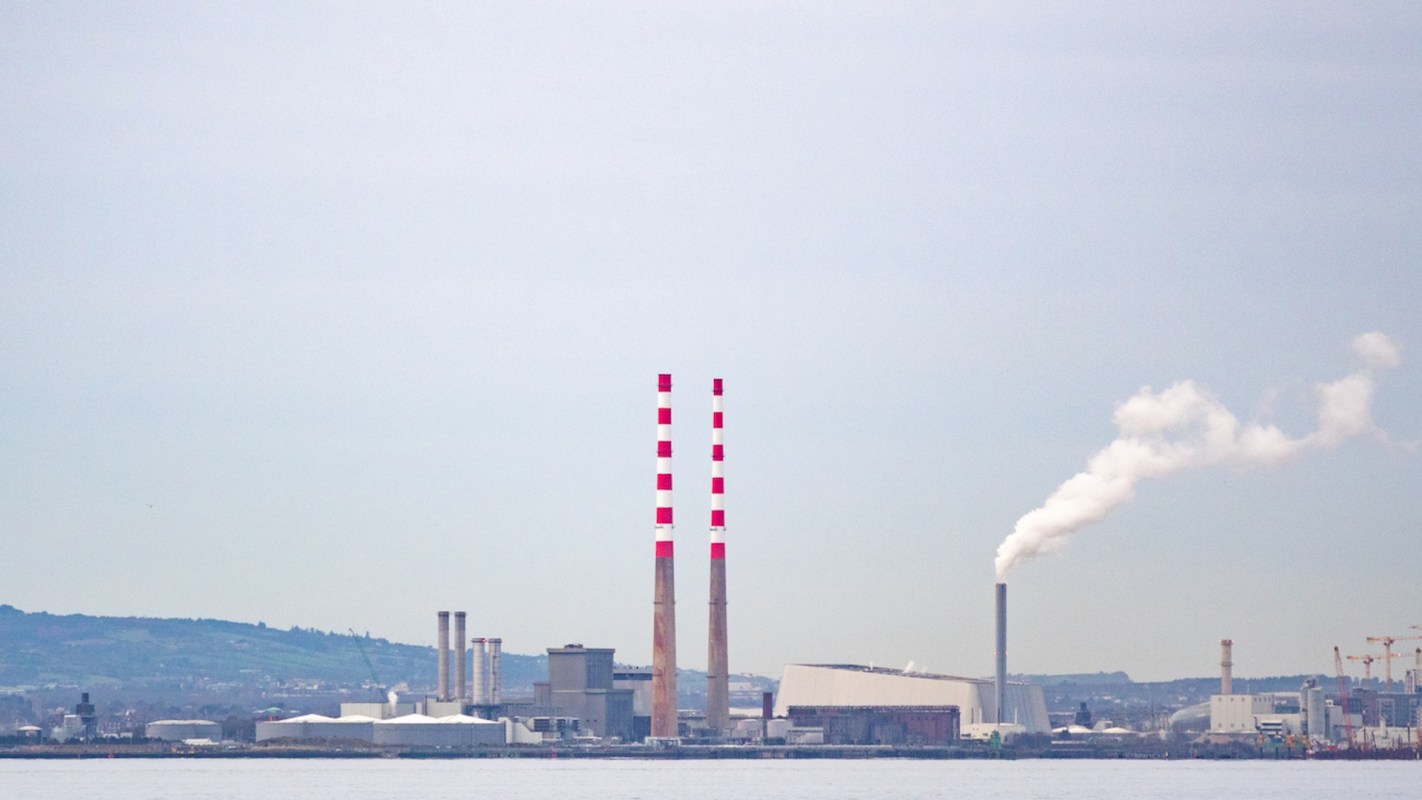
For households trying to keep monthly bills under control, where electricity comes from can matter just as much as how much is used.
A new YouTube breakdown argues that Ireland's painfully high power prices are not the result of one bad policy choice, but rather a pileup of energy system problems that have become costly for everyday people.
What's happening?
A recent YouTube video by The Electric Viking (@electricviking) points to several forces behind Ireland's expensive electricity.
As The Electric Viking put it in the video description: "Ireland's high electricity prices are driven by heavy reliance on imported natural gas, limited grid interconnections, and rising infrastructure and policy costs."
Ireland also has limited power links, making it harder to balance supply, import electricity when it is available, or cushion sudden jumps in demand.
The video mentions how those combined pressures have left Irish households and businesses paying some of the highest electricity prices in the world.
TCD Picks » Quince Spotlight
💡These best-sellers from Quince deliver affordable, sustainable luxury for all




"As an Irish person. I can say electricity prices are insane. It's a huge financial burden," one commenter stated.
Why does it matter?
High electricity prices can raise the cost of running heat pumps, appliances, lights, and home electronics, while also increasing operating costs for stores, factories, and farms. Those costs often ripple outward into the prices people pay for goods and services.
Energy security and affordability are closely tied. If a grid relies too heavily on imported gas, price shocks abroad can quickly show up on local utility bills. When a country also has limited interconnections, it has fewer options when energy markets become tight.
What's being done?
A lasting fix is unlikely to come from one quick change. Lowering costs would mean reducing dependence on imported gas, improving grid connections, and building a system better able to absorb price swings.
That can include more renewable energy, stronger transmission infrastructure, and better links to neighboring markets so the grid has more ways to source electricity. While those projects can take years, they can make electricity systems more stable and less exposed to fossil fuel volatility over time.
For individuals, the most realistic near-term steps include reducing waste at home, improving insulation, shifting electricity use away from peak times where possible, and exploring available rebates or efficiency programs. Those moves will not fix a national grid problem, but they can help households soften the blow while bigger reforms are debated and built.

Get TCD's free newsletters for easy tips, smart advice, and a chance to earn $5,000 toward home upgrades. To see more stories like this one, change your Google preferences here.






