


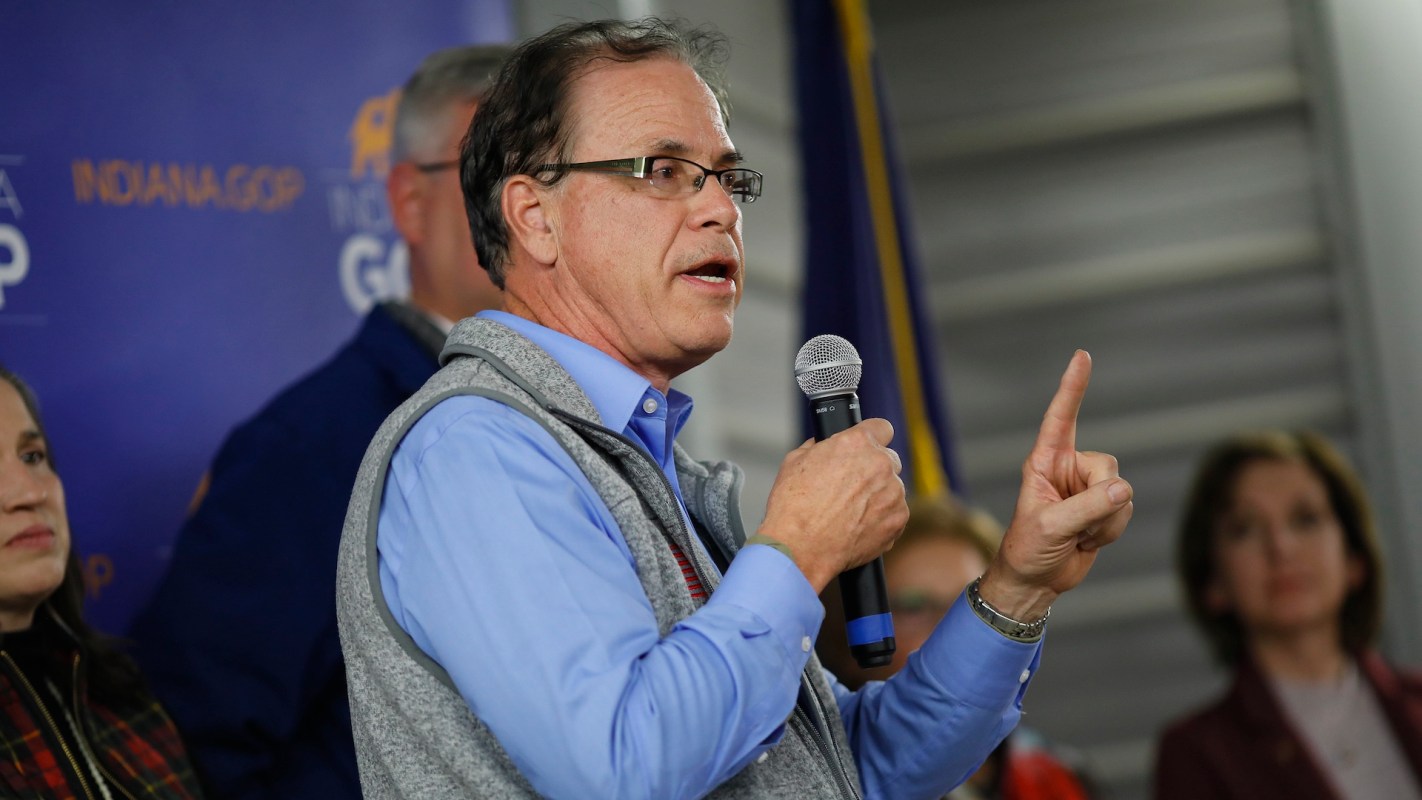
Indiana residents hoping for relief from a disputed $71 million electricity rate hike saw the process take an unexpected turn when the Indiana Utility Regulatory Commission pulled a planned Aug. 6 rehearing vote, the day after Gov. Mike Braun fired former commissioner Andy Zay, who had supported the increase.
What happened?
After an internal misalignment and ultimately a firing, the Indiana Utility Regulatory Commission removed AES Indiana's controversial $71 million rate increase from its agenda, according to Indiana Capital Chronicle.
Because he previously worked on the case at the Office of Utility Consumer Counselor, the state agency that represents ratepayers in utility matters, Indiana Utility Regulatory Commission Chair Anthony Swinger is recused from the AES matter. He said the item was pulled "because there was no consensus among the commissioners."
Regulators still have until Sept. 8 to rule on the rehearing request.
The dispute stems from a June decision in which former commissioner Andy Zay joined Commissioners David Veleta and David Ziegner in approving the increase by a 3-1 vote. Commissioner Bob Deig dissented.
Braun then asked Utility Consumer Counselor Abby Gray to pursue a rehearing and reconsideration.
TCD Picks » Quince Spotlight
💡These best-sellers from Quince deliver affordable, sustainable luxury for all




Braun then demoted Zay as chair and fired him on Aug. 4. The State Personnel Department alleged that he failed to file a required financial disclosure, improperly gave employees payments and gifts, and directed staff to change a public meeting agenda without consulting the new chair.
Braun also cast the firing partly as an affordability matter, saying he was "disappointed that he didn't take on affordability and holding utilities accountable."
Why does it matter?
A $71 million utility rate increase could translate into higher monthly bills at a time when many households are already stretched by rent, groceries, insurance, and other essentials.
Those higher electricity costs can be especially hard on seniors, renters, and lower-income families, who often have the least room in their budgets to absorb added expenses.
When power bills rise, families can also have a harder time paying for upgrades that improve comfort and lower pollution, including better insulation, efficient appliances, and home electrification. That can make the transition to cleaner, more affordable energy more difficult.
Utility commissions play a major role in determining what people pay to keep the lights on, so sudden leadership changes and delayed decisions can leave communities questioning whether affordability and accountability are guiding the process.
The outcome of this rehearing could affect near-term power bills and public confidence in how major energy decisions are made.
What's being done?
The rehearing has been delayed, not dismissed. Swinger said removing an agenda item is "not unusual" when commissioners are not ready to act.
Swinger added, speaking of the rehearing vote, that "it's not ready to move forward." The commission can still decide the petition by Sept. 8.
Indiana's utility oversight board is also being reshaped quickly. A nominating committee is expected to send Braun three finalists for Zay's seat, and attorney Joby Jerrells is already set to replace Veleta.
Veleta's final day is Aug. 14, and Jerrells is scheduled to begin Aug. 17.
The Office of Utility Consumer Counselor represents ratepayers. Households can also ask their utility about payment plans, energy-saving programs, and bill assistance if costs increase.

Get TCD's free newsletters for easy tips, smart advice, and a chance to earn $5,000 toward home upgrades. To see more stories like this one, change your Google preferences here.






