


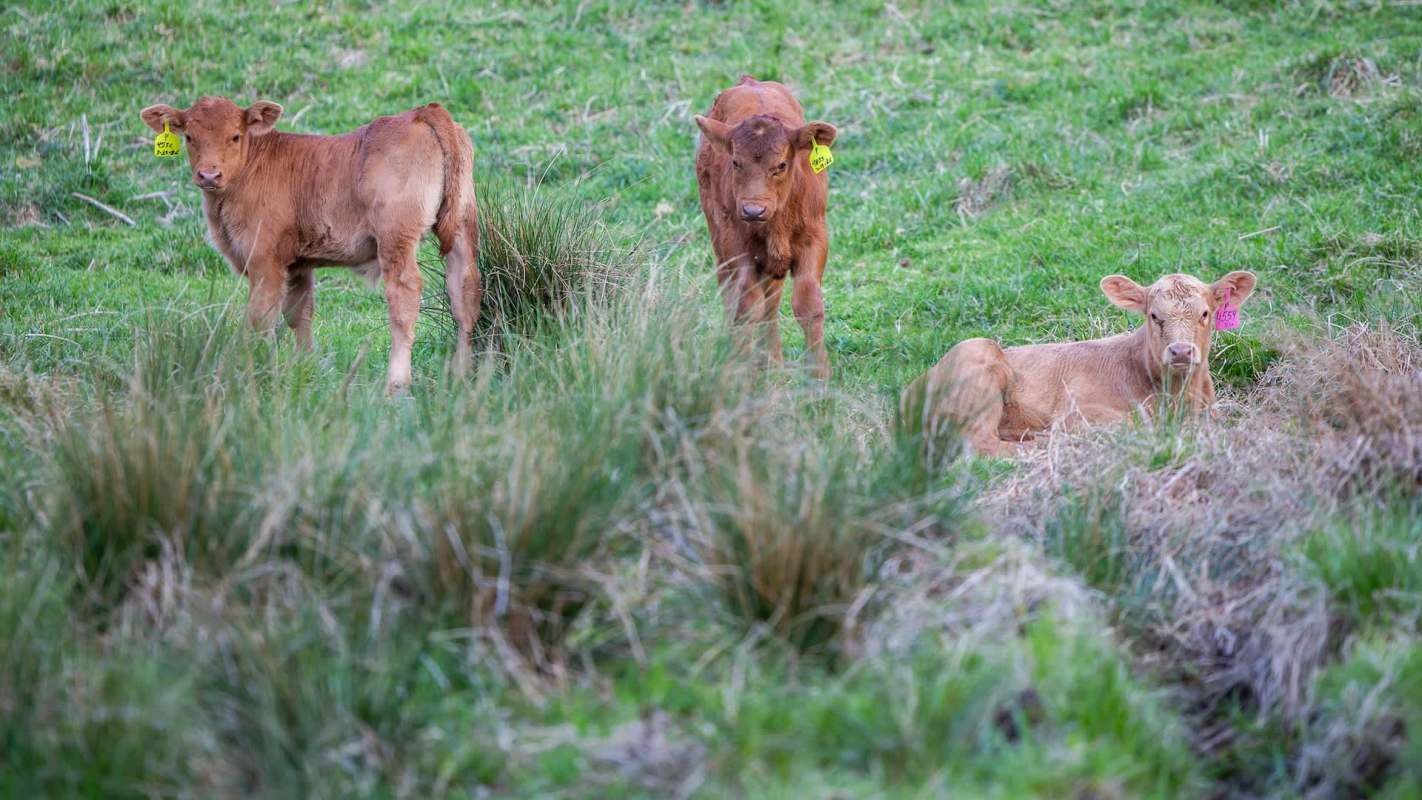
President Donald Trump's plan to let a substantial volume of imported ground beef enter the United States before a steeper post-quota tariff applies has drawn objections from Virginia cattle farmers, according to Local 12.
Here's what to know
The proposal would allow up to 330,700 tons of imported ground beef products to enter the country over 90 days without the higher tariff that normally kicks in after quota limits are met, Local 12 reported.
Virginia Gov. Abigail Spanberger has urged U.S. Agriculture Secretary Brooke Rollins to reject it, warning that it could have "crushing impacts" on the state's cattle farmers.
In Virginia, beef is the second-largest agricultural commodity, and the sector underpins thousands of family farms.
The importance of that industry is particularly pronounced in Southwest Virginia, said Gene Copenhaver of Copenhaver Brothers Farms, a fifth-generation cattle farmer.
"It's very important to the economy of this area," Copenhaver said. "In Southwest Virginia, it's a billion-dollar industry. Billion with a B."
TCD Picks » Quince Spotlight
💡These best-sellers from Quince deliver affordable, sustainable luxury for all




He said beef producers are particularly exposed to supply swings because the market is driven by supply and demand and does not benefit from the same subsidies as some other agricultural products.
More background
Farmers' concerns are about the speed and scale of the proposed change.
Bringing in a large amount of tariff-free product over a short period could undercut domestic producers at a time when many are already juggling unpredictable costs.
Cattle production is deeply woven into Virginia's agricultural identity. If lower-priced imports drive down returns for U.S. producers, smaller family operations may feel the pressure first, especially in regions where cattle farming supports a network of local businesses.
What can be done?
Spanberger's letter is a clear attempt to push back on the proposal and defend domestic producers.
Families looking to build more flexibility into their grocery budgets can also reduce pressure from meat price swings by exploring plant-based food options. For many households, adding more variety to meal planning can make day-to-day living easier while also helping stretch food spending.
In the meantime, Copenhaver advised, "Keep on eating our American beef. We've got great product to sell you."
Where can I learn more?
Virginia cattle producers are warning that a sudden wave of imports could squeeze already-thin margins. Elsewhere, some farmers facing similar financial pressure are turning to agrivoltaics to bring in extra income without pulling land out of production.
• On solar sites, pairing sheep with solar panels has given some farmers a massive leg-up.
• In California, solar energy is becoming a lifeline cash crop for farmers under pressure.
If you want to keep following the pressure on Virginia cattle producers, these stories are great examples of how rural operations are adapting to economic strain.

Get TCD's free newsletters for easy tips, smart advice, and a chance to earn $5,000 toward home upgrades. To see more stories like this one, change your Google preferences here.






