


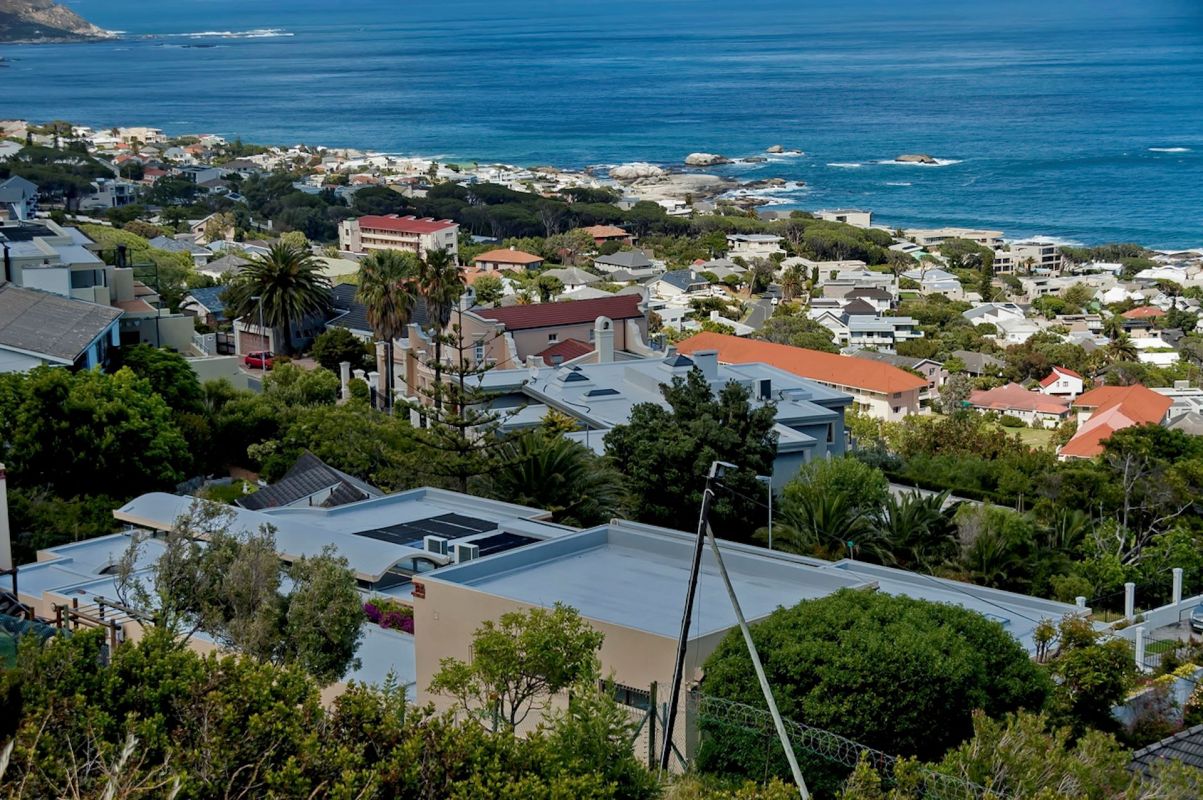
New research from CoreLogic, a real estate-focused analytics company, suggested that home prices in coastal areas classified as high flood risk by the Federal Emergency Management Agency are heavily discounted.
The team inferred that these discounts are related to climate risks like flooding.
What's happening?
The researchers found that property prices in coastal areas marked as high-risk flood zones are discounted by about 20%. These flood zones face hazards like storm waves and have at least a 25% risk of flooding during the span of a 30-year mortgage.
Meanwhile, property prices in two non-coastal flood zones with moderate-to-high flood risks are discounted by 4.5% and 9.8%, respectively. The study found no discount in areas deemed to be outside the 100- and 500-year floodplains.
Why are coastal property discounts concerning?
More than 40% of United States residents live in coastal regions, according to the report, with approximately 25 million people living in areas vulnerable to coastal flooding, per the EPA.
A warming planet threatens coastal areas — making them more susceptible to flooding — through sea level rise, changes in the frequency and intensity of storms, and increases in precipitation.
But flooding risks aren't confined to coastal areas. Approximately 41 million U.S. residents face the risk of flooding along rivers and streams, like those living along the Delaware River, for one.
Hurricane Hilary — reportedly the first storm of its kind to make landfall in Southern California in 80 years — left a trail of destruction in August and revealed vulnerabilities in the region's housing market. Many of the homes hit by the storm were not covered by standard flood insurance, leaving homeowners in difficult financial situations.
Meanwhile, per CBS News, only 18% of homeowners in Florida — a state with more than 8,000 miles of coastline, according to the government — carry flood insurance, and extreme weather like this is leading to insurance companies raising rates.
"Given the projected increase in climate hazards, with an average of seven or eight events per year and an expected escalation in severity, it becomes crucial for lenders and insurers to adapt differential costs based on these risks," the research team said.
TCD Picks » Quince Spotlight
💡These best-sellers from Quince deliver affordable, sustainable luxury for all




What's being done to protect coastal homeowners?
Some people, like Florida International University's Shahid Hamid, are pushing for federally subsidized flood insurance for all, no matter where you live, reported CBS News.
Meanwhile, the Florida Legislature approved legislation that mandates the state-backed insurance agency Citizens Insurance to require most policyholders to carry flood insurance by January 2024.
Along with investing in flood insurance, citizens can push for government officials to adopt changes that will help mitigate the effects of climate catastrophes like flooding.
Aside from divesting from dirty fuels and adopting clean energy, some scientists are pushing for nature-based solutions like restoring coastal wetlands and restorative agriculture.

Join our free newsletter for cool news and actionable info that makes it easy to help yourself while helping the planet.
Cool Picks




