


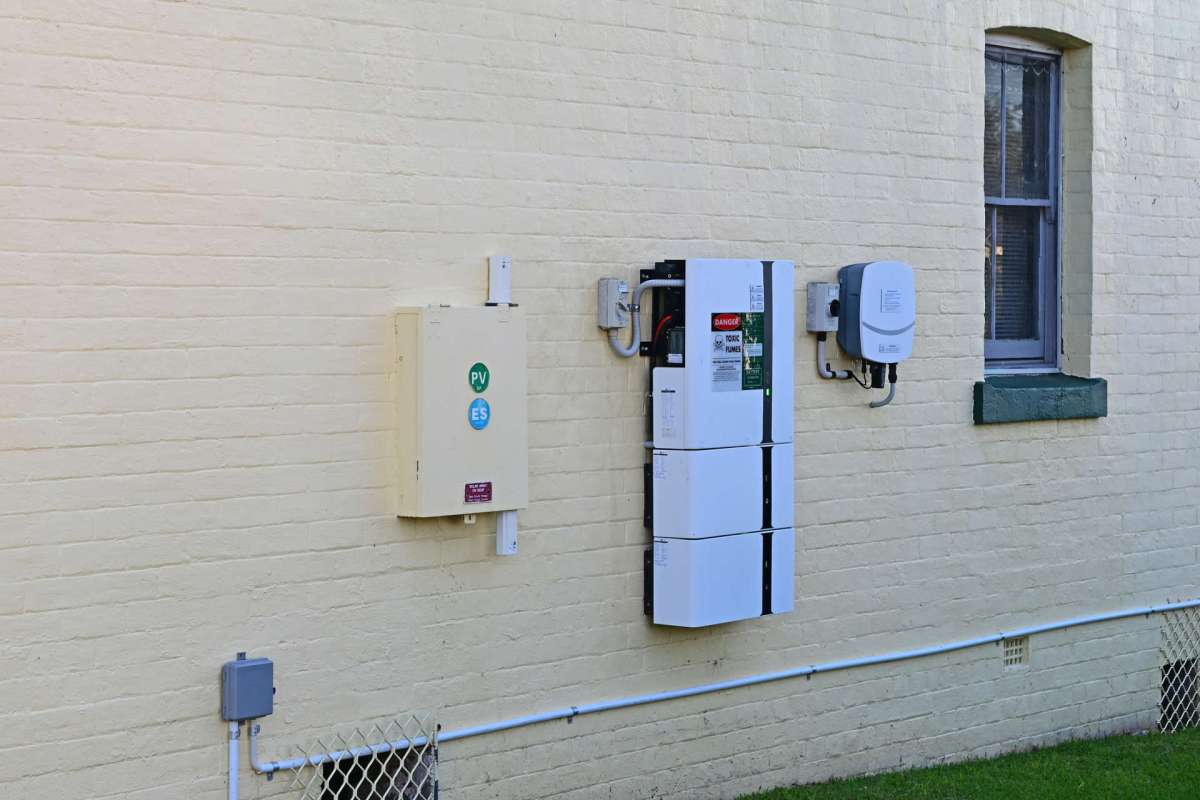
U.S. households are installing home batteries at record levels, even after federal tax credits expired at the end of 2025, according to BloombergNEF analysis.
In a cleantech market that has otherwise cooled, that suggests outage protection and utility expenses are resonating with buyers.
Here's what to know
A home battery can keep essential appliances running during a blackout, reduce reliance on an increasingly expensive electric grid, and help families get more value from their solar panels.
BloombergNEF's review of U.S. Energy Information Administration data indicates that consumers are taking note.
The analysis found that homeowners added 673 megawatts of battery capacity in the first quarter of 2026 — an even higher level than the record sales posted in the fourth quarter of 2025, according to Canary Media. That stands in stark contrast to cleantech products such as electric vehicles and rooftop solar, which have lost momentum since federal tax credits expired.
For homeowners, battery storage is increasingly about control. If you're curious about what a setup might cost, it may be worth exploring EnergySage for information about home battery storage options and competitive installation estimates.
EnergySage has also teamed up with the electrification brand Qmerit to guarantee you get the best price on home battery storage solutions.
And for people who want a lower-cost backup option, Pila offers plug-and-play batteries priced at a fraction of the cost of a whole-home backup system.
Save $10,000 on solar panels without even sharing your phone number Want to go solar but not sure who to trust? EnergySage has your back with free and transparent quotes from fully vetted providers in your area. To get started, just answer a few questions about your home — no phone number required. Within a day or two, EnergySage will email you the best options for your needs, and their expert advisers can help you compare quotes and pick a winner. Solar panels can save you more than $50k over their 25-year lifespan, and EnergySage can help you save as much as $10k on installation. Which begs the question — isn't that worth an email or two? |

More background
Battery installations are strongest in places where high power prices overlap with state support for storage, according to BloombergNEF. And California is the clearest example.
The Golden State has offered incentives for pairing solar with batteries since 2023, and it accounted for about three-quarters of U.S. home battery installations in both 2024 and 2025.
Hawaiʻi shows a similar pattern. The Aloha State has the highest electricity bills in the country, and BloombergNEF found that a storage incentive launched in 2025 contributed to a sharp rise in installations in the first quarter of 2026.
What can be done?
The analysis suggests that local programs can still move the market even after federal support disappears.
Home batteries also appear to be shifting from a niche upgrade to a more mainstream household tool.
As more homes add storage, those batteries can help reduce strain on the grid during periods of heavy demand, potentially lowering costs and improving resilience for entire communities.
Homeowners interested in a full system can research competitive estimates through EnergySage. Meanwhile, renters or budget-conscious buyers may find that portable products from Pila offer a more accessible entry point for backup power.

Get TCD's free newsletters for easy tips, smart advice, and a chance to earn $5,000 toward home upgrades. To see more stories like this one, change your Google preferences here.







