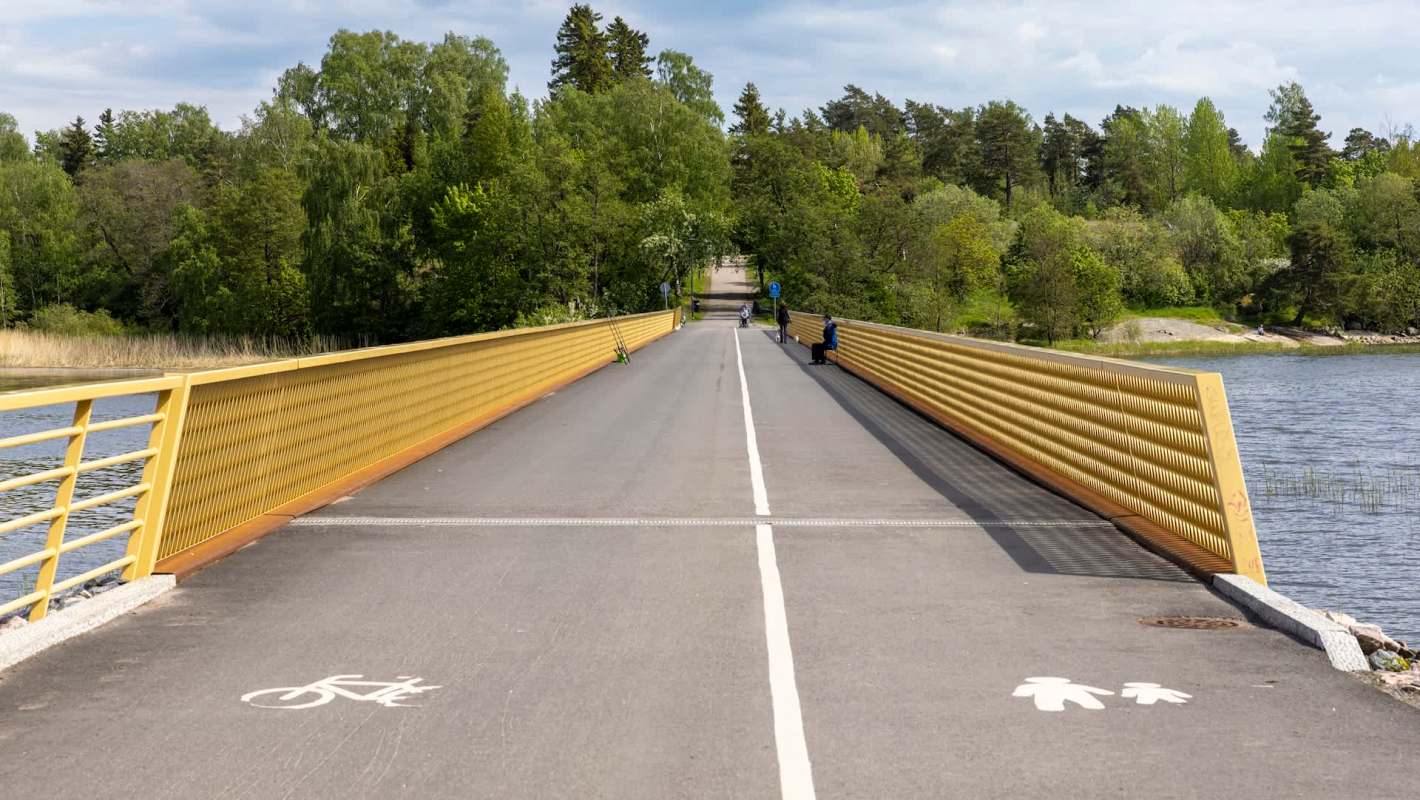
In April, over 50,000 people in Helsinki turned up for the unveiling of a 1.2-kilometer — roughly three-quarters of a mile — bridge built for cycling, trains, and pedestrian traffic. The latest development is part of Helsinki's broader effort to invest billions of euros in public transport and cycling infrastructure.
What happened?
Reuters reported that the project cost Finland's capital city about €326 million, or roughly $380 million, and connects the inner city to nearby islands.
The bridge is Finland's longest, and its striking design, along with its car-free approach, has helped draw widespread attention.
According to Reuters, Helsinki has about 1,300 kilometers (808 miles) of cycle paths, including roughly 100 kilometers (62 miles) of "bicycle superhighways," yet bikes still account for only around 9% to 11% of trips — roughly unchanged since 2010.
Some critics have questioned the project's cost and its effectiveness in encouraging more cycling. However, public officials told Reuters that gaps in the transportation network are slowing the growth of cycling.
"The reason for that is that we haven't completed the network yet," said Oskari Kaupinmaki, Helsinki's bicycle traffic team leader.
TCD Picks » Quince Spotlight
💡These best-sellers from Quince deliver affordable, sustainable luxury for all




Helsinki plans to extend that bicycle superhighway network by another 80 kilometers (50 miles) by 2029.
Why is the Helsinki bridge important?
The debate reaches far beyond one bridge. Cities around the world are trying to cut pollution, ease congestion, and make streets safer, and Helsinki is effectively running a real-world test of whether better infrastructure can change how people get around.
For residents, projects like this can reshape everyday life in practical ways. Faster commutes, safer bike routes, and more reliable public transit can make it easier to commute without owning a car. Reuters also noted that Helsinki is expanding its tram network and has approved shutting a central street by the main railway station to cars, giving priority to walking, biking, and transit instead.
At the same time, the flat cycling numbers show how difficult it can be to change habits, especially in a Nordic city known for harsh winters and biting winds.
What are people saying?
Kaupinmaki acknowledged the divided reaction, telling Reuters that "the biggest argument for opposing this bridge was the big price tag on it."
City councilor Marcus Rantala, a leading critic, said he had questioned the budget of the bridge and whether it was realistic as costs rose — but still said the final result was "impressive."
Musician Johanna Jarvinen, who lives on one of the islands now connected to the city, was impressed by the infrastructure upgrade.
"In the summer, when it's less windy, it'll be like 10 minutes off my commute, so (that's) very nice," she said, according to Reuters.

Get TCD's free newsletters for easy tips, smart advice, and a chance to earn $5,000 toward home upgrades. To see more stories like this one, change your Google preferences here.