


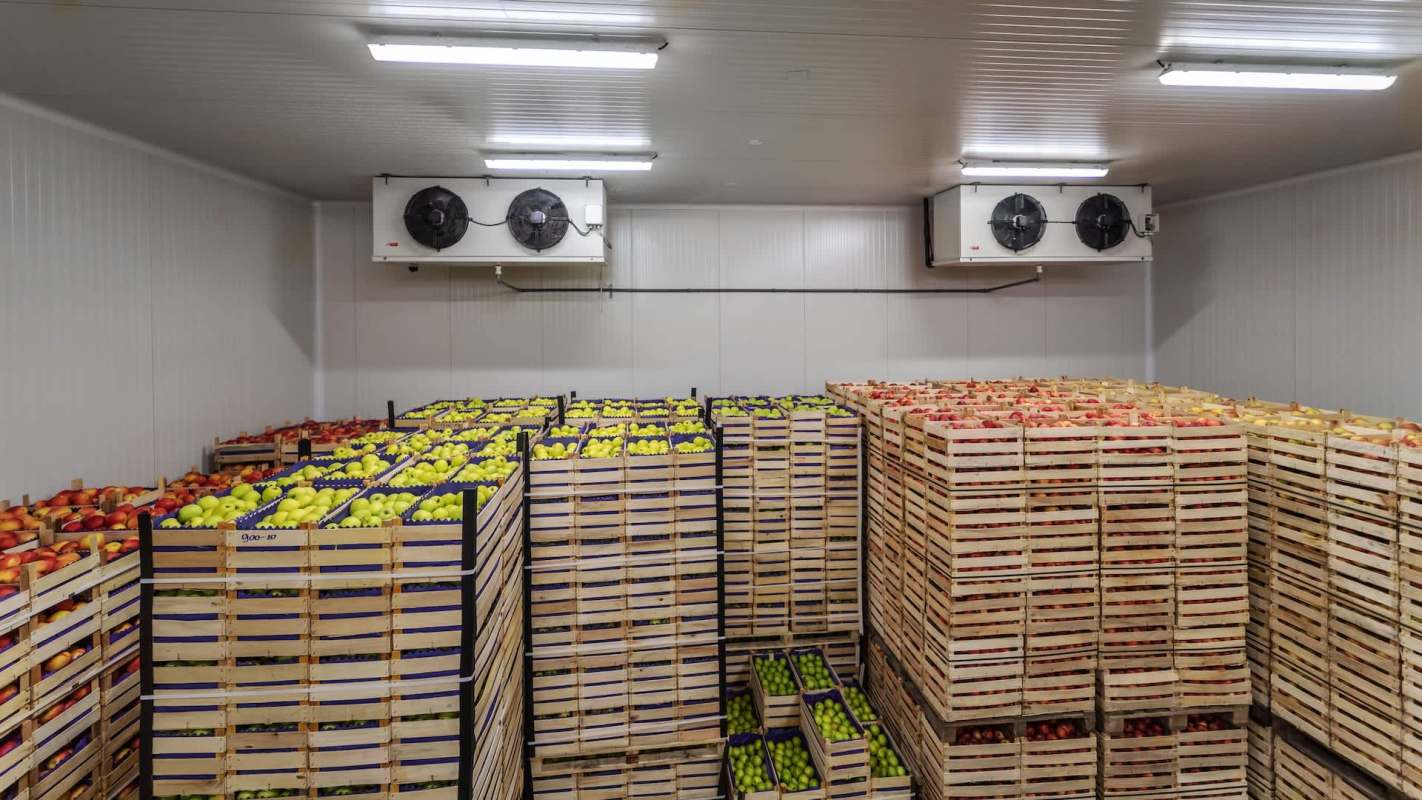
A fight over grocery store refrigeration is escalating into a much broader debate over cost, climate, and how quickly major industries should be required to move away from planet-warming equipment.
As ACHR News reported, the dispute is prompting a myriad of opponents to a delayed transition.
What's happening?
Supermarket and food retail groups are asking a federal court to uphold the Environmental Protection Agency's decision to extend the timeline for converting commercial refrigeration equipment to lower-global-warming-potential (GWP) refrigerants, the outlet said.
In the litigation over the EPA's updated Technology Transitions rule, the Retail Litigation Center, FMI – The Food Industry Association, American Frozen Food Institute, and National Grocers Association have asked to intervene. Their move follows the agency's May 2026 revision of the supermarket refrigeration timeline it had previously set under the AIM Act.
Under that revised schedule, an interim refrigerant GWP cap of 1,400 would start on Jan. 1, 2027. The tougher thresholds — 150 or 300, depending on the type of system — would be pushed back until Jan. 1, 2032, ACHR News noted.
The retailers cite an analysis estimating that accelerating a compliant installation would add about $1.7 million in capital costs for an average-sized grocery store and cut annual net income by 22%.
TCD Picks » Quince Spotlight
💡These best-sellers from Quince deliver affordable, sustainable luxury for all




"Retail grocers and supermarkets need regulatory certainty and realistic compliance timelines to continue serving consumers," Monica Welt, president of the Retail Litigation Center, told ACHR News.
The extension is drawing opposition from different camps, as the outlet detailed.
Environmental groups and state attorneys general argue that the EPA is letting high-GWP refrigerants stay in use for too long, while HVACR industry groups say a delay could disrupt the broader refrigerant transition.
Why does it matter?
Higher-GWP refrigerants can have an outsized warming effect when they leak, and allowing them to remain in new supermarket systems for longer could slow efforts to reduce heat-trapping pollution.
A longer timeline would keep more-polluting refrigerants in everyday infrastructure for longer. At the same time, the grocers' argument points to a real affordability challenge. Supermarkets say major equipment overhauls require careful planning, trained technicians, available equipment, and enough capital to absorb the cost.
For communities that rely on neighborhood grocery stores, especially smaller or independent ones, a disorderly transition could create operational stress in an industry people depend on every day.
HVACR trade associations have also warned about supply pressure, per ACHR News. If legacy refrigerants remain in use longer while federal law continues cutting their production and consumption, supplies could tighten, and prices could climb, making older systems more difficult and costly to service.
What's being done?
The dispute is now before the U.S. Court of Appeals for the District of Columbia Circuit, which is weighing the lawsuits against the EPA's revised rule as well as the grocer groups' effort to preserve the longer deadlines. Unless the rule is stayed or overturned, the updated schedule will remain in effect.
Supporters say that approach creates a more workable runway for stores to plan upgrades, secure equipment, and train technicians.
Opponents, however, are pushing for a faster transition so cleaner refrigerants are adopted sooner, and the climate benefits are not delayed. ACHR News noted that some businesses have already invested in systems and equipment based on the earlier deadlines, meaning another schedule change could be disruptive.

Get TCD's free newsletters for easy tips, smart advice, and a chance to earn $5,000 toward home upgrades. To see more stories like this one, change your Google preferences here.






