


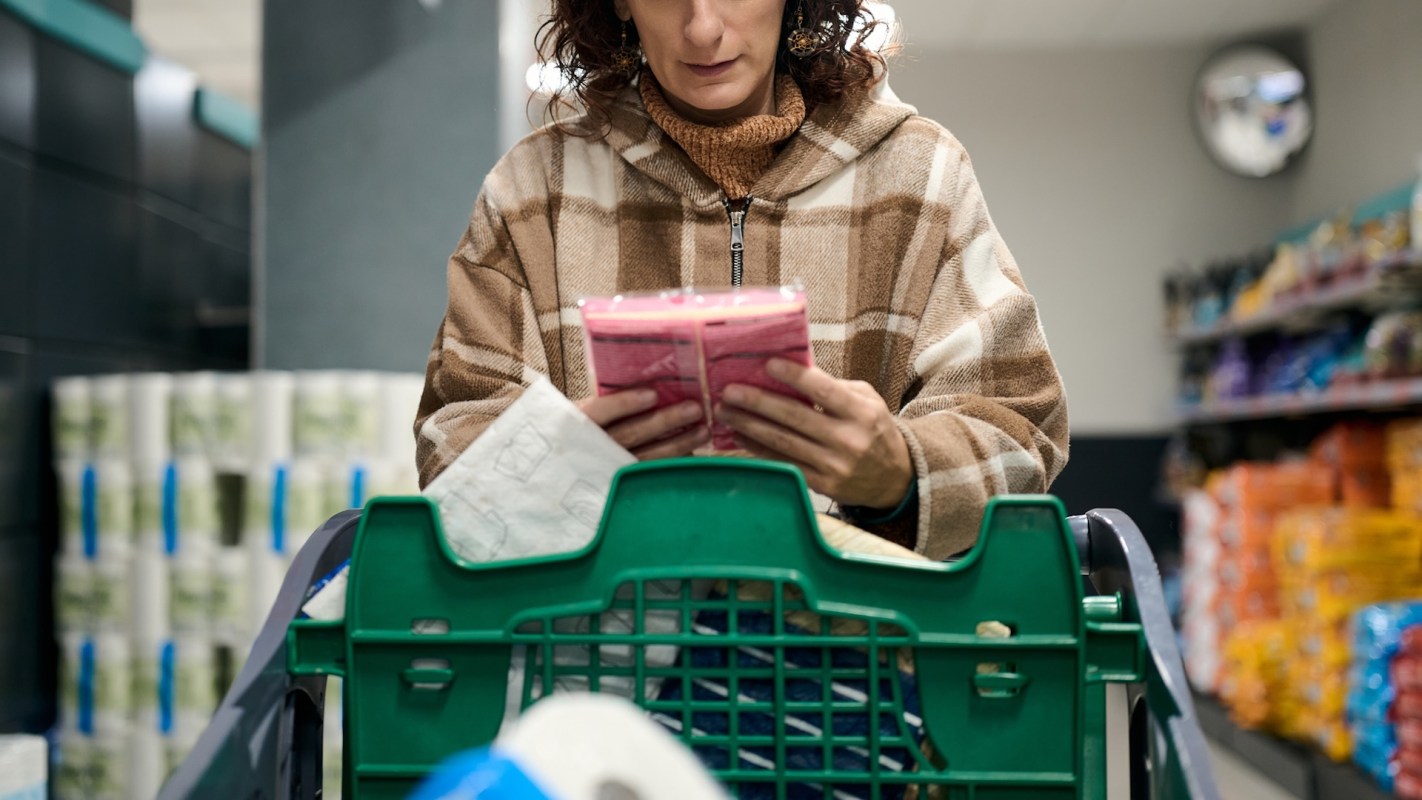
Grocery inflation may be cooling on paper, but that does not mean the checkout line feels any easier for shoppers.
Economists use the phrase "rockets and feathers" for that dynamic: food prices can surge like a rocket, then drift back down as slowly as a feather.
So while inflation may be slowing in the data, families often do not see much difference at the register.
What's happening?
As the Cherokee Phoenix reported, the U.S. Department of Agriculture expects food-at-home prices nationwide to rise 2.7% in 2026.
That pace is near the historical average of 2.6%, but it comes after the much steeper grocery spike of 2022, when prices climbed 11.4%.
In practical terms, slower growth still means higher prices. Because groceries are rising from a much higher starting point, many shoppers continue to feel squeezed.
TCD Picks » Quince Spotlight
💡These best-sellers from Quince deliver affordable, sustainable luxury for all




Bain & Co. and NielsenIQ found that U.S. grocery shoppers purchased fewer items in the second half of 2025, and that drop became more pronounced in February 2026. The decline was linked to several pressures at once, including high gas prices, increased use of GLP-1 drugs, and reduced government food aid.
Many consumers have responded by trading down. Costco, Walmart, and Aldi pulled customers from traditional grocers, while store-brand sales hit a record $282.8 billion in 2025.
Sean Hooper, a senior solution principal at Relex Solutions, said that shift helps explain the staying power of cheaper alternatives: "Now that this option becomes available, why would I go back? You have the convenience, it's the same, but my cost is 40% less and it's a brand that I know and trust."
Why does it matter?
Food costs are one of the economic pressures people notice most quickly in daily life.
Inflation may be slowing overall, but families are unlikely to feel much better if eggs, coffee, tomatoes, and snacks still cost a lot.
Some of the increase reflects longer-running supply problems. Coffee prices in U.S. cities have risen 54% since 2019, as climate-related crop damage in Vietnam, Indonesia, and Brazil has cut into global supply.
Fresh tomatoes provide another example: in June 2026, prices were 19.5% higher than in June 2025 after a 17% import tax was placed on tomatoes from Mexico.
Behavior plays a role too. Jared Bernstein, a senior policy fellow at Stanford's economic policy institute and a former chair of President Joe Biden's Council of Economic Advisers, said retailers are often reluctant to lower prices on inventory they bought when wholesale costs were high.
Businesses may also try to protect the stronger margins they gained during a period of fast-rising prices.
What's being done?
There are indications that some of the nation's biggest retailers are pushing harder on price.
In early July 2026, Walmart said it was reducing prices on items including ice cream, ground beef, red cherries, corn, potato chips, and products from Coca-Cola and Pepsi. Target also lowered prices on some foods in March 2026, according to Cherokee Phoenix.
If more retailers follow that pattern, the pressure to match those cuts could spread. Because large chains can make discounts highly visible, competing grocers may feel compelled to respond.
For shoppers, comparing unit prices, choosing store brands, and splitting purchases between traditional grocers and discount chains can help lower costs.
Switching to alternatives can also help when weather problems or tariffs push up the price of certain foods.
"It has to be deflation for prices to go down, and that's very rare," Matt Hamory, who leads the global grocery practice at consulting company AlixPartners, said.
Bernstein summarized the imbalance, stating, "There's less competitive force on the feather side of the mountain."

Get TCD's free newsletters for easy tips, smart advice, and a chance to earn $5,000 toward home upgrades. To see more stories like this one, change your Google preferences here.






