


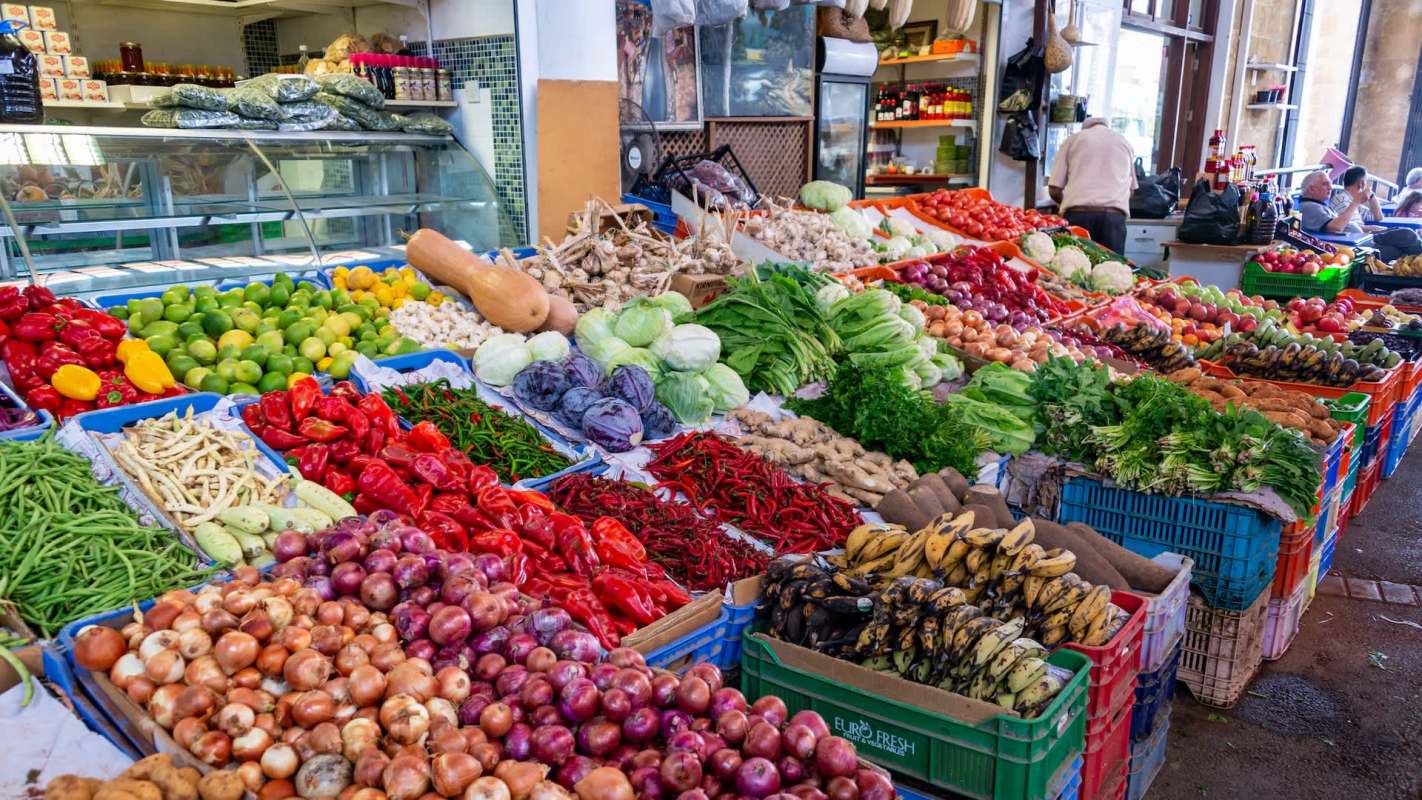
A Cyprus Consumers Association survey recorded spreads of up to 226% on identical products across stores and found fruit and vegetables from the farmers' market were cheaper.
Here's what to know
Using the government's e-kalathi platform, the association checked prices on September 30 across every participating supermarket and found wide variation in routine grocery items, according to Kathimerini.
In total, 54 products, representing 11.3% of the sample, showed spreads of 100% to 226% between stores.
Variation remained large across much of the rest of the list, with 27.3% of products differing by 30% to 49%, and nearly half differing by 50% to 99%.
In another comparison, fruit and vegetables at the farmers' market near GSP stadium averaged 26% cheaper than the supermarket prices posted on the Agriculture Ministry's e-kofini platform.
More background
The results indicate that households in Cyprus can pay markedly different sums for the same groceries depending on the chain they choose.
TCD Picks » Quince Spotlight
💡These best-sellers from Quince deliver affordable, sustainable luxury for all




According to the association, Cypriot products tended to show narrower price differences while other parts of the shopping basket swing much more from store to store.
The association said the e-kalathi figures showed little evidence of intense price competition among most of the supermarkets involved.
When a state-backed comparison system still shows gaps without signs of prices being pushed down, it invites scrutiny over how well the market is serving consumers.
It also challenged the inclusion of products sold in only one store as supposedly widely purchased essentials, arguing that such items do little to help people compare a realistic weekly shop.
What can be done?
With dozens of products showing triple-digit spreads between the lowest and highest supermarket prices, checking prices can make a real difference for shoppers.
The association said, however, that this is more useful when the government's e-kalathi service is more reliable and better reflects what people actually buy.
It has called for a review of the platform's product list since some items were sold in as few as one store while others appeared in 40. The association also asked authorities to explain the status of the 1,000 additional products announced for the service.
A wider selection could help households see more clearly where meaningful savings can be found.
It also added that pricing mistakes still appeared after being reported, suggesting that tighter data upkeep would make the tool more helpful to shoppers.
Where can I learn more?
For more reading on grocery costs, these stories show how similar price pressures are playing out around the globe.
• In South Korea, produce costs are rising as households struggle to track the full impact.
• In New Zealand, an overlooked factor is pushing food prices higher and straining household budgets.
• In Bangladesh, prolonged rains ravaged crops and sent key food prices sharply higher.
• In India, soaring fruit prices are exposing how floods can rattle everyday grocery costs.
• Across Europe, surging food prices are being shaped by forces highlighted in an ECB analysis.

Get TCD's free newsletters for easy tips, smart advice, and a chance to earn $5,000 toward home upgrades. To see more stories like this one, change your Google preferences here.






