


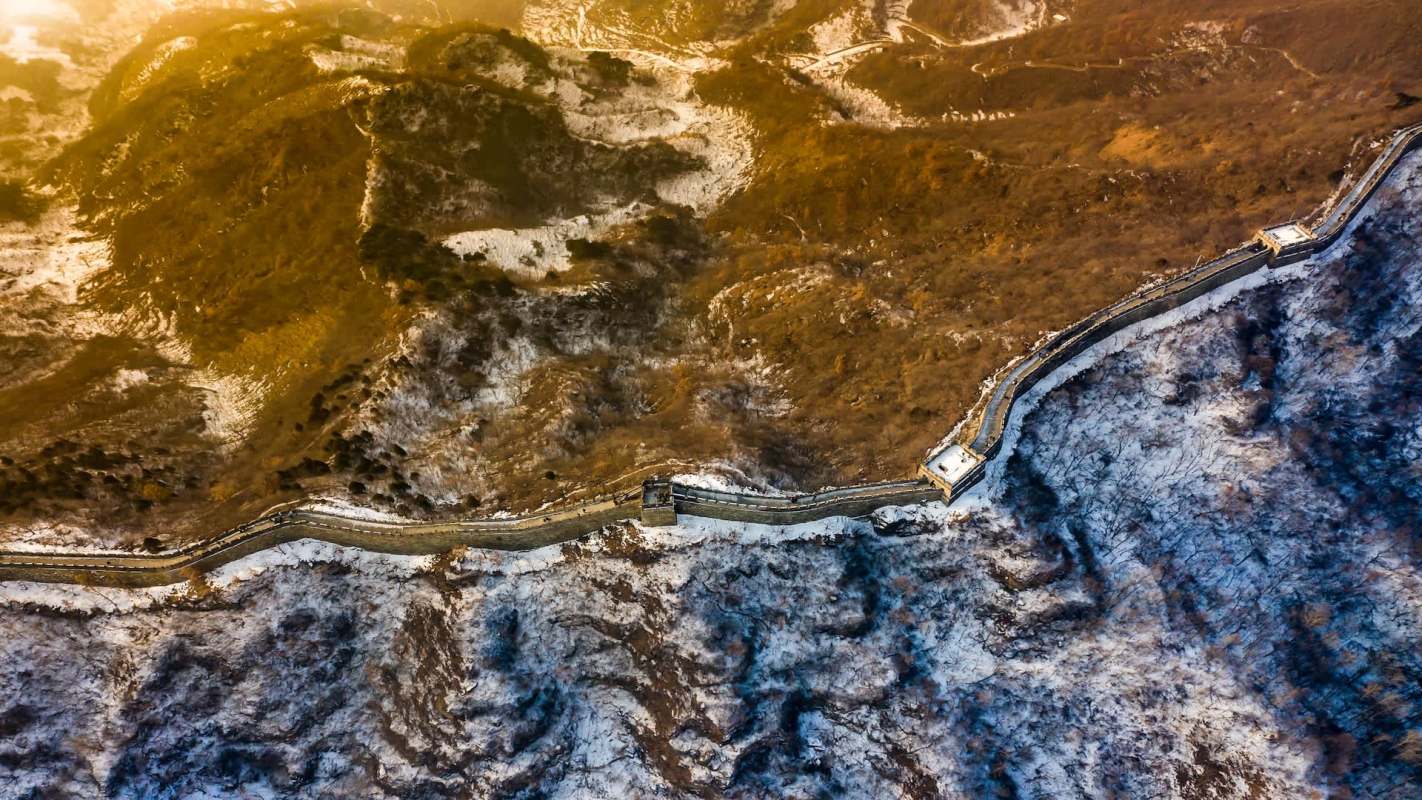
For almost 20 years, coal-mining waste was reportedly dumped through a man-made opening in a remote Ming-era stretch of China's Great Wall, effectively repurposing a major cultural landmark as a route for industrial slag.
Attention on the case centers not just on the wall's destruction, but on whistleblower claims that officials ignored repeated warnings for years.
Here's what to know
According to the South China Morning Post, the trouble began in 2007 when the unlicensed miner Ningwu Chaokai Coal Industry cut through the Guojiayao section to simplify disposal of excavation waste. The company continued using that opening after Shenda Chaokai Coal Industry was formed through a 2013 merger of mining teams.
Whistleblower reports began in 2015, yet local authorities failed to stop the dumping, and the wall was left with a gap about 19 feet (six meters) wide.
The Great Wall took shape over many centuries and was further expanded during the Ming dynasty, from 1368 to 1644. Running more than 13,000 miles (21,000 kilometers) across northern China, it is widely seen as both a symbol of Chinese civilization and a major World Cultural Heritage site.
Under China's Regulation on Protection of the Great Wall, authorities are supposed to move quickly after damage is reported, but the Guojiayao section did not receive physical boundary markers until 2025.
TCD Picks » Quince Spotlight
💡These best-sellers from Quince deliver affordable, sustainable luxury for all




More background
Unlike the restored sections near Beijing that draw tourists and visiting dignitaries, this damaged stretch lay in a remote area. That isolation appears to have allowed neglect and vandalism to continue away from public attention.
The damage in Guojiayao was not isolated to Ningwu. Earlier mining activity, with weak oversight, also severely damaged other parts of the wall, pointing to wider failures in heritage protection.
What's being done?
After months of public complaints and media scrutiny, Shanxi provincial authorities intervened in March by forming a special investigative team to examine suspected illegal mining and damage to cultural relics tied to the company.
Authorities imposed fines totaling 1 million yuan, roughly $149,000, saying the company had undertaken unapproved work inside a cultural relic control zone and caused serious damage at the site. In May, authorities detained its former senior manager and actual controller.
In a formal notice, the Ningwu county government pledged emergency repairs, structural reinforcement, ecological restoration around the site, and a wider campaign against illegal slag dumping and heritage damage. It also said officials' possible negligence and breaches of duty remain under investigation.
"Heritage conservation cannot rely solely on public pressure. It demands daily oversight, detecting and resolving issues promptly, so as to nip destruction in the bud before it leads to grave consequences," said Dong Yaohui, former Great Wall Society of China executive vice-president.
Where can I learn more?
For more context, these articles look at how industry and restoration efforts are reshaping China's landscapes, energy systems, and historic sites.
• Along China's fortifications, biocrusts shield weak points and may slow erosion on earthen walls.
• After coal mine closures, water resources improved in many regions even as cleanup challenges persisted.
• Sany brought an all-electric excavator to the United States with fast "dual gun" charging.
• In China, coal power and emissions fell even as grid waste still cost billions.
• Across China, wind and solar additions outpaced demand, leaving 170 TWh of clean power stranded.

Get TCD's free newsletters for easy tips, smart advice, and a chance to earn $5,000 toward home upgrades. To see more stories like this one, change your Google preferences here.






