


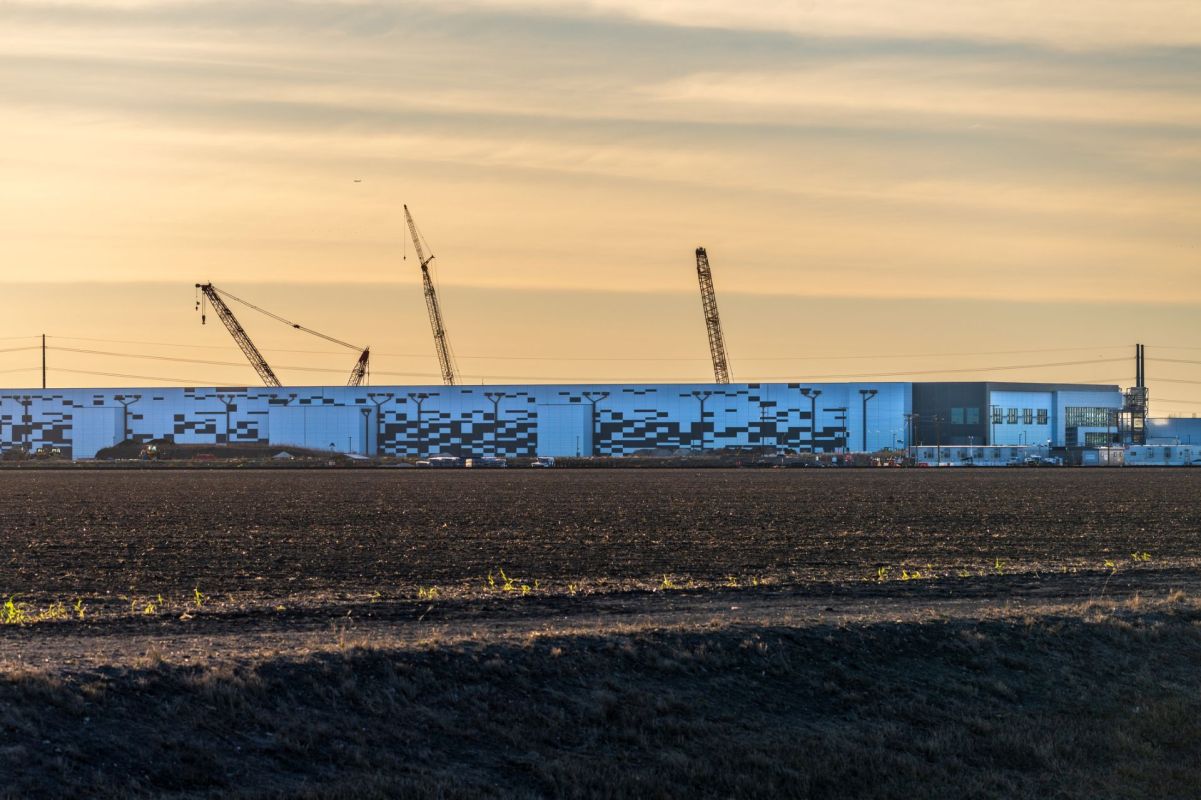
A lawsuit from Grayslake-area residents in Illinois is threatening plans for an $18 billion data center campus, with opponents asking a court to halt the project over claims that village officials approved it through private discussions and improper decisions.
The lawsuit brings new scrutiny to a massive development that critics say could dramatically reshape the community while putting additional strain on local natural resources.
What happened?
According to the Daily Herald, Preservation of Community Well-Being Collective and nine Lake County residents filed suit on July 31 in an effort to stop the Grayslake data center project.
Grayslake, T5 Data Centers, and Alter Asset Management are named as defendants. Atlanta-based T5 plans to build the campus, while Alter Asset Management had previously pursued the development before selling land for the project to T5.
At the center of the complaint is the claim that Grayslake's zoning code does not expressly permit data centers. The suit also accuses village officials of violating the Illinois Open Meetings Act by handling deliberations over the proposal and parts of the deal outside public view, including through closed sessions, email, and other private communications.
The filing further contends that approvals issued in 2024 and 2025 ran afoul of Illinois due process protections. The residents want a court order nullifying those earlier approvals, blocking Grayslake from issuing more permits based on them, and canceling the development agreement between the village and T5.
TCD Picks » Quince Spotlight
💡These best-sellers from Quince deliver affordable, sustainable luxury for all




Why does it matter?
Village-approved plans cover a huge footprint in the Cornerstone business park: a campus that could stretch across 472 acres and include 18 data center buildings, the Daily Herald reported.
Early site work began in 2025, and village officials have placed the phased development's value at up to $18 billion.
Supporters have pointed to possible tax-base growth for park, fire, school, and library districts. However, critics argue that any promised economic benefit should not come at the expense of transparency, due process, or environmental protections for nearby residents.
Data centers can consume vast amounts of electricity and water, making them a growing flashpoint in communities already worried about utility strain, land use, and environmental damage.
Among the local objections are questions about how much water and electricity the Grayslake project would require.
Wetlands have become another focal point. After community questions and concerns, T5 paused its wetland remediation permit application in July. That request had proposed filling nearly 16 acres of wetland on the property.
What's being done?
Opposition has not been limited to the lawsuit. The Daily Herald reported that critics, including the Lake County Data Center Opposition Coalition, have raised concerns at public meetings, shared them in neighborhoods and online, and organized protests aimed at slowing or stopping the project.
The lawsuit moves the fight from public comment sessions to the courts. If it succeeds, it could force the village to revisit its approvals and cancel permits tied to them.
People concerned about similar projects in their own communities can track meeting agendas, submit comments during permitting processes, and review whether companies' public sustainability claims match their actions.
T5 CEO Pete Marin said in a statement that the company is "fully committed to continuing our partnership with local officials." For opponents, the court battle will test whether that partnership can continue after allegations of private deliberations, disputed zoning, and concerns over wetland, water, and energy impacts.

Get TCD's free newsletters for easy tips, smart advice, and a chance to earn $5,000 toward home upgrades. To see more stories like this one, change your Google preferences here.






