


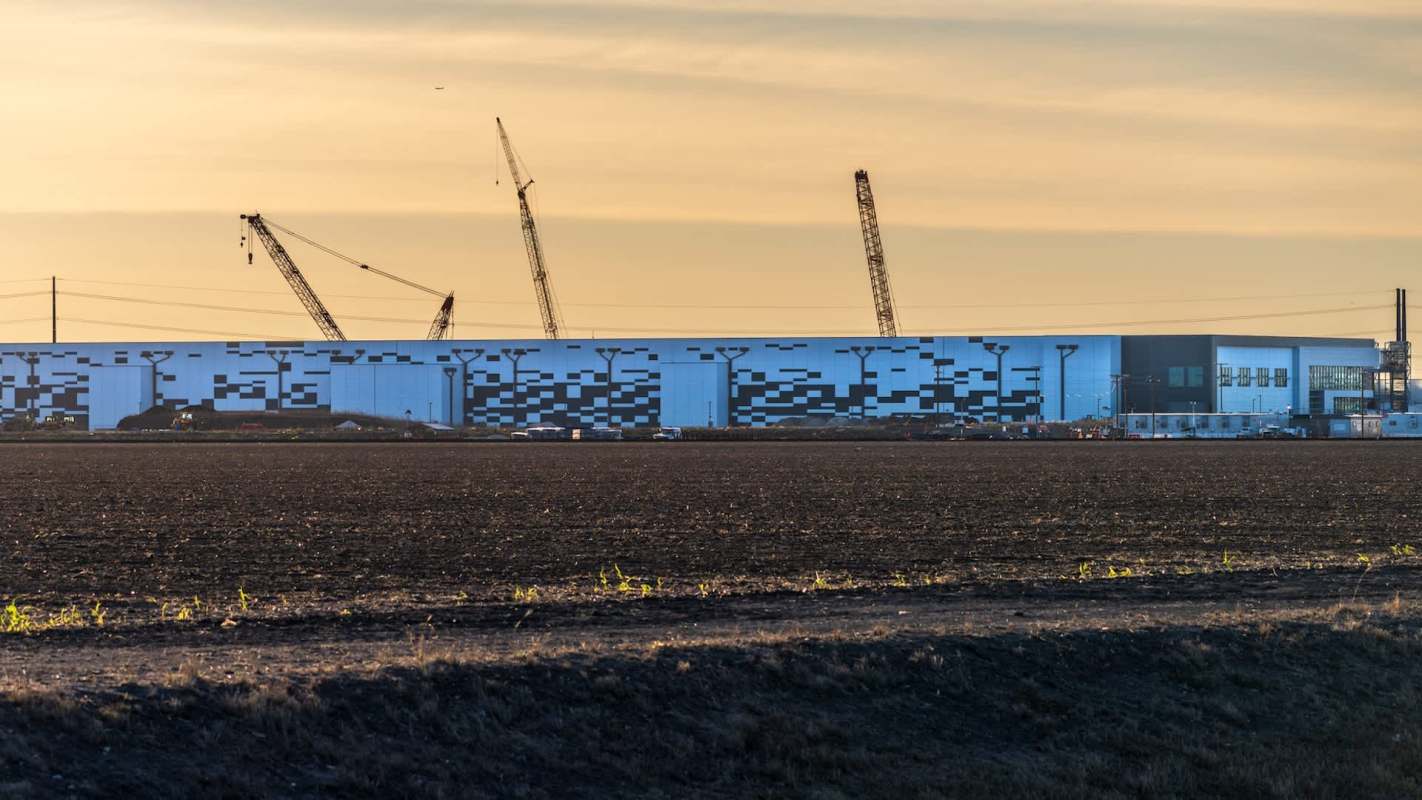
A family farm in Yorkville, Illinois, is helping lead a new legal fight against a proposed data center campus, arguing that the development could dramatically change the surrounding landscape and daily life.
According to CBS News, Teska Family Farm is at the center of the latest lawsuit challenging "Project Steel," a major data center proposal planned along the Eldamain Corridor in Yorkville.
The case follows an earlier lawsuit filed in April seeking to stop a separate 1,037-acre data center development, called "Project Cardinal," that the city approved earlier this year.
Leesa Poss, whose family has owned Teska Family Farm for more than 40 years, said nearby land was annexed and rezoned from residential to manufacturing, leaving the property at risk of being surrounded by industrial development.
She said the proposed project could affect air quality, increase noise, and possibly even threaten the farm's well water.
The newest lawsuit alleges Yorkville did not adequately notify the public before a hearing on Project Steel, failed to mail notices to nearby property owners, and approved a development that conflicts with its own planning documents.
TCD Picks » Quince Spotlight
💡These best-sellers from Quince deliver affordable, sustainable luxury for all




Poss said her family's farm was once home to horses and goats, and she worries that a large industrial complex nearby would bring constant noise, air pollution, and uncertainty about water quality.
The fight in Yorkville also reflects a broader tension playing out across the country as demand for data centers continues to rise.
The infrastructure behind these data centers can consume enormous amounts of electricity and water, strain local resources, raise security and misuse concerns, and potentially increase energy costs for nearby communities.
Residents have also continued speaking out at city council meetings, calling for greater transparency and stronger community input before large developments are approved.
Their objections are not framed as opposition to technology itself, but rather to the placement of large-scale industrial projects next to homes and farmland.
"We'll have a concrete jungle if this all happens," Poss said. "I've never been opposed to data centers, but I am opposed to data centers on top of homes."
Resident Kasper put it more simply: "We bought out here to have quiet, farmland, trees, and with the swipe of a pen, it's going away."

Get TCD's free newsletters for easy tips, smart advice, and a chance to earn $5,000 toward home upgrades. To see more stories like this one, change your Google preferences here.






