


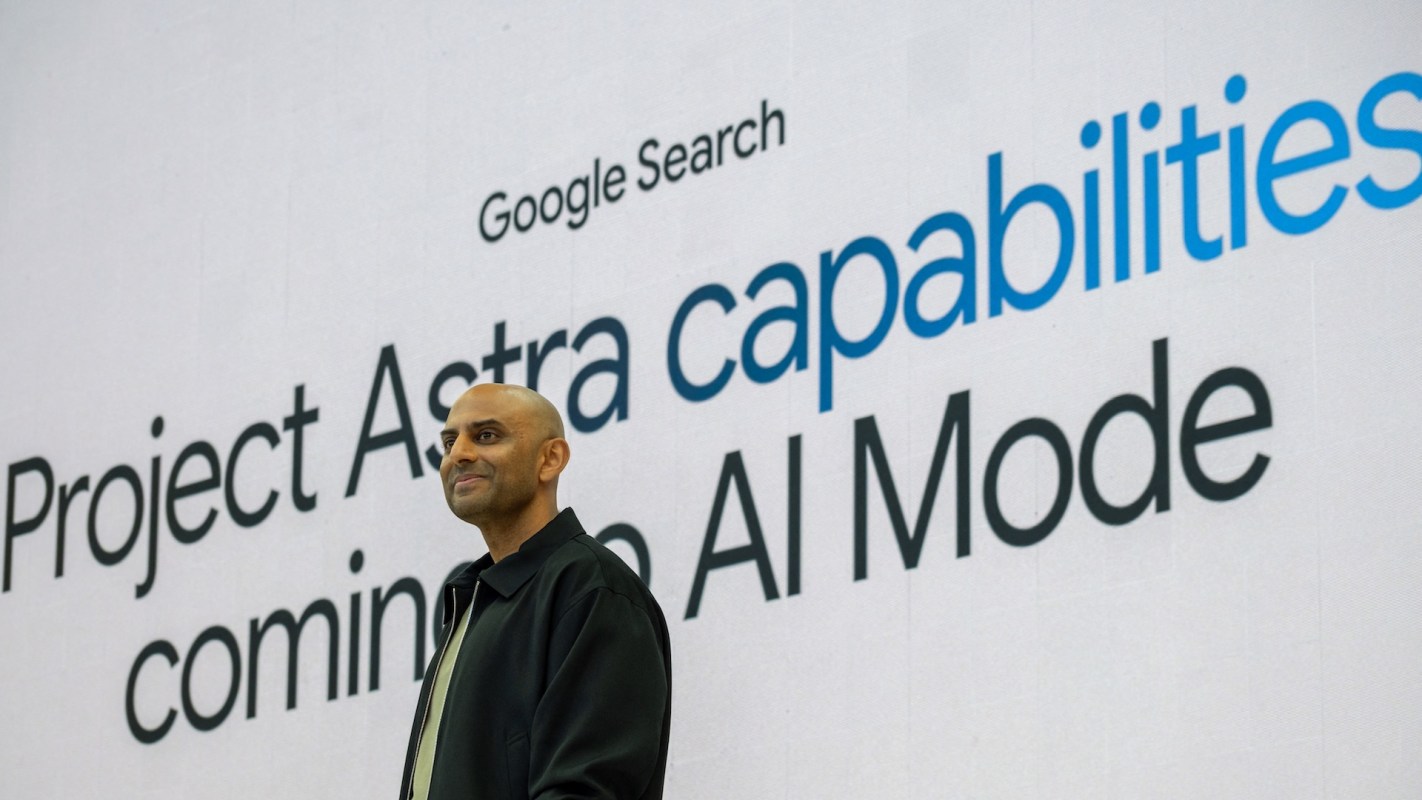
Google is pushing Search into a new era, replacing the familiar list of "10 blue links" with AI-generated answers, interactive visuals, and background agents that can do research for users.
The shift, unveiled at a Google I/O conference, could change how billions of people find information online — and how often they visit the websites that publish it.
What's happening?
According to TechCrunch, Google used its developer conference on Tuesday, May 19, to reveal a broad Search revamp centered on a more conversational, AI-driven search box. Rather than mainly returning ranked links, Search will increasingly respond with interactive results, follow-up prompts, and custom experiences built around a user's question.
AI Overviews now reach over 2.5 billion people a month, while AI Mode tops 1 billion monthly users, TechCrunch reported. This summer, Google plans to roll out generative, interactive search pages developed with the Google DeepMind team and running on Gemini Flash 3.5.
Google also previewed "information agents" that monitor trends online for a user and send alerts when set conditions are met, along with tools for making personalized "mini apps" within Search.
According to TechCrunch, those agent and app-building tools will debut first for Google AI Pro and Ultra subscribers this summer, while the updated search box and generative interface are expected to be free.
TCD Picks » Quince Spotlight
💡These best-sellers from Quince deliver affordable, sustainable luxury for all




"Search can build custom experiences just for your individual questions, from dynamic layouts, interactive visuals to persistent and stateful project spaces that you can return to again and again," said Google's head of Search, Liz Reid.
Why does it matter?
For everyday users, Google is trying to make search feel less like typing keywords into a box and more like consulting a digital assistant.
The shift also raises issues. If Google answers more questions directly, people may click through to fewer independent websites, which will further hurt publishers already seeing traffic drop due to AI summaries.
That has real economic consequences for media outlets that rely on ad revenue, particularly as search traffic has long served as a major pathway for readers to find news, analysis, and other original reporting.
There is also a broader environmental angle. AI tools run on energy-hungry data centers that can put added pressure on the power grid and water supplies used for cooling.
As companies race to build more AI products, consumers may see both benefits and tradeoffs, including concerns about accuracy, misuse, security, and even higher energy costs due to rising infrastructure demand.
What's being done?
Google says these new tools are meant to help people act on information, not just find it. The updated search box will suggest more nuanced queries, while AI-generated interfaces will create visual, tailored responses on the fly.
The company's new information agents are also positioned as a more capable version of old-school Google Alerts. Instead of simply notifying users when new results appear, these agents are designed to track changes, interpret them, and summarize what matters.

Get TCD's free newsletters for easy tips, smart advice, and a chance to earn $5,000 toward home upgrades. To see more stories like this one, change your Google preferences here.






