


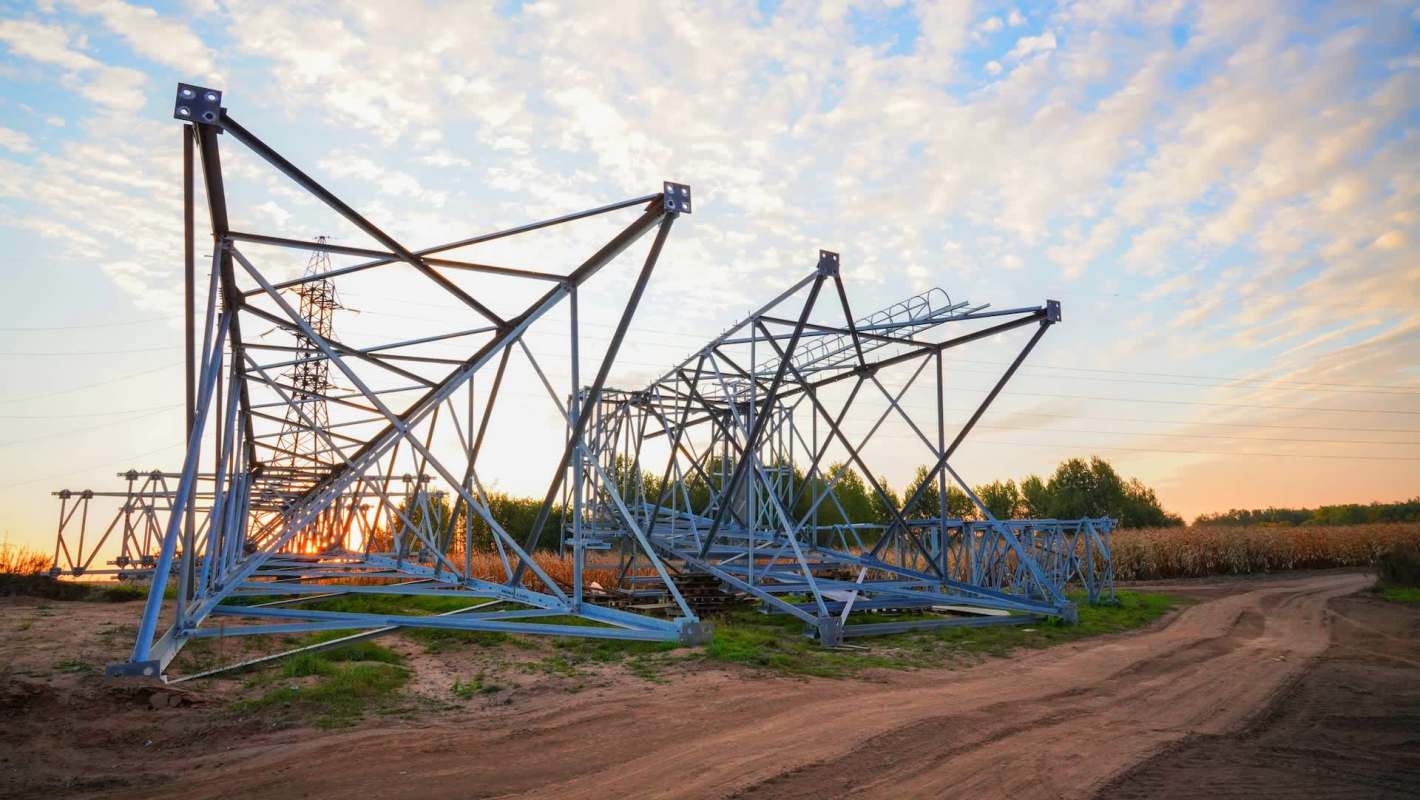
Georgia homeowners who moved to the country for privacy, gardens, and room to raise families are now confronting a very different possibility: utility easements that could cut transmission corridors through their land.
In counties southwest of Atlanta, the dispute is becoming a flashpoint in Georgia's rapidly growing data center boom, according to the Atlanta Journal-Constitution.
Rachael Maszk and her husband left their city apartment four years ago for a 2-acre property in unincorporated Fayette County, about 25 miles southwest of Atlanta. She told the AJC that they wanted more space to garden, keep chickens, and raise their children.
Last fall, Georgia Power notified the family that planned high-voltage lines could cross their property. By March, the utility said it wanted an easement covering about a third of their land. Maszk said the wooded area behind their home — one of the main reasons they bought the property — could be replaced by towers and power lines.
They are not the only ones. The AJC reported that other residents in Fayette and Coweta counties are also pushing back as Georgia Power expands its grid. The company says the work is part of a wider push to strengthen reliability and resilience for many users — including homes, businesses, manufacturers, and data centers — rather than a single customer.
The Georgia Public Service Commission has already approved plans that call for about 1,000 miles of additional transmission lines over the next decade.
TCD Picks » Quince Spotlight
💡These best-sellers from Quince deliver affordable, sustainable luxury for all




For homeowners, the issue is about more than infrastructure. It is about whether the character of rural properties — woods, buffers, and open space — can be permanently altered by projects they did not ask for. It also raises concerns about eminent domain, which utilities can use in some cases for projects deemed to serve a public use.
According to the AJC, metro Atlanta is now the fastest-expanding market for server farms in the United States and ranks among the leading locations worldwide. Those facilities require enormous amounts of electricity, and that demand is helping drive new substations, transmission lines, and other power upgrades across the region.
Artificial intelligence is closely tied to that growth. Data centers support cloud computing and AI tools. But the expansion also comes with downsides, including increased electricity and water use and the possibility that infrastructure costs could be passed on to other ratepayers.
Concern and opposition like that in Georgia are happening nationwide as communities take stands against the centers.
Residents are negotiating, attending community meetings, and in some cases taking their objections public. The AJC reported that social media posts about transmission-line concerns in Georgia have drawn major attention, turning local land fights into a statewide political issue.
Georgia Power says it is working with property owners to address questions and reduce effects before routes are finalized. The company has also said eminent domain is rarely used and that it tries to reach voluntary agreements first.
Local governments are responding as well. As data center proposals spread across metro Atlanta, some communities have tightened zoning rules or paused new projects to reassess land-use impacts.
Georgia Power has described eminent domain as a "last resort." But for Maszk, the process has already been "stressful," and her view of what could happen to her backyard is blunt.
"I don't think it's right," she said, according to the AJC. "And if no one does anything, then nothing changes."

Get TCD's free newsletters for easy tips, smart advice, and a chance to earn $5,000 toward home upgrades. To see more stories like this one, change your Google preferences here.






