


A photo of a superyacht sparked a discussion about who can afford such extravagance.
The boat in question — Viva, owned by Frank Fertitta III — was docked in what commenters determined was Miami.
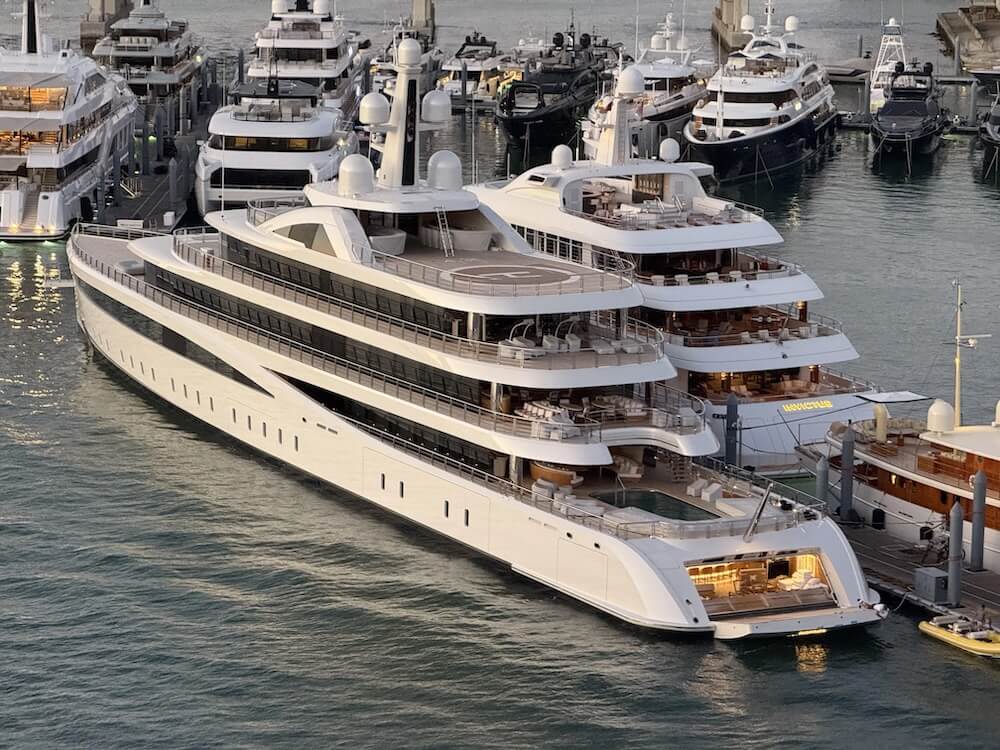
Fertitta, a casino magnate and former owner with his brother Lorenzo — who owns a pair of superyachts — of the Ultimate Fighting Championship, is worth $3 billion, per Forbes. The 308-foot ship cost $175 million.
Yachts are the most pollutive vehicles on Earth, but Viva was designed to be more environmentally friendly, Boss Hunting reported. Instead of diesel engines, it uses a diesel-electric propulsion system. It also features a waste treatment plant and heat recovery systems.
Still, propelling a floating estate through water packs a punch. The vessel includes a helicopter and helipad, beauty salon, gym, and cinema, and there's room for dozens of guests and crew.
The combustion of diesel fuel produces toxic gases, including carbon dioxide, nitrogen oxides, and sulphur oxides, which contribute to rising global temperatures, air pollution, and acid rain, according to Yacht Carbon Offset.
TCD Picks » Quince Spotlight
💡These best-sellers from Quince deliver affordable, sustainable luxury for all




Yachts also damage marine ecosystems and natural habitats. Oil spills, as well as noise and plastic pollution, are other significant problems these watercraft create.
While this yacht may pollute less than most, Fertitta could completely offset its impact by using solely electric engines or purchasing carbon offsets that pay for forest conservation or other projects that benefit the planet.
Despite — or maybe because of — their wealth, billionaires and other affluent people have a responsibility not to overconsume. But the world's richest 1% used their share of the annual carbon budget in the first 10 days of the year, as Oxfam International reported.
The carbon budget is how much carbon dioxide "can be added to the atmosphere without pushing the world beyond 1.5 [degrees Celsius, or 2.7 degrees Fahrenheit,] of warming," the organization on global poverty stated. Those figures represent the limit established in the Paris Agreement to keep Earth livable.
|
Do you think billionaires spend their money wisely? Click your choice to see results and speak your mind. |
 Definitely 👍
 To put that in perspective, it's the same amount that the poorest 50% use in two years and 10 months. By 2030, the 1% need to cut their pollution by 97% to avoid the worst effects of the changing climate. They are tracking at a 5% reduction.
"Can't afford to look at this photo," one commenter wrote.
Someone else said, "Only in my dreams."

Join our free newsletter for good news and useful tips, and don't miss this cool list of easy ways to help yourself while helping the planet.






