


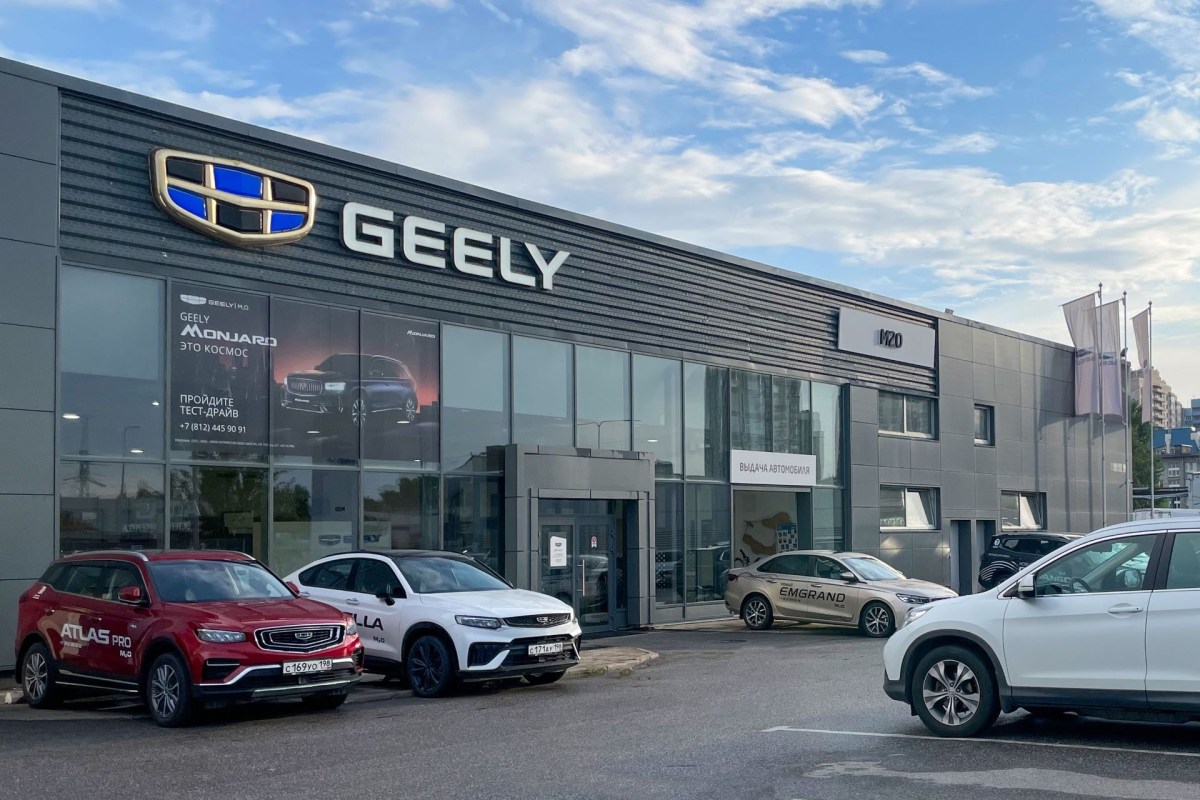
Ford's Valencia plant in Spain could soon take on a very different role. The facility is on track to become Chinese automaker Geely's first car-making base in Europe, according to CleanTechnica. If the deal goes through, it would be another sign that global EV competition is shifting from exports to local production.
What's Happening?
Ford is close to selling part of its Valencia factory to Geely, giving the automaker space inside the site's Body 3 assembly hall, according to CleanTechnica. That part of the plant previously produced the Mondeo, Galaxy, and S-Max, the outlet noted.
Now, Valencia only builds the Ford Kuga, leaving plenty of room unused at a factory with an annual capacity of about 300,000 vehicles, according to CleanTechnica. Geely is said to be in talks to use that excess space to launch European production.
The company would reportedly begin with the Galaxy EX2, a small EV crossover that topped China's sales charts last year under the Galaxy Xingyuan name. It may also use its GEA architecture for additional EV and plug-in hybrid models there, according to CleanTechnica.
Geely could even produce a Ford-branded model from that platform there, the site reported.
Suppliers in the Valencia area have reportedly already been approached, which is a sign that the agreement may be nearing completion.
TCD Picks » Quince Spotlight
💡These best-sellers from Quince deliver affordable, sustainable luxury for all




Why Does It Matter?
For Geely, building in Spain could help it avoid some of the growing trade barriers facing imported Chinese-made cars in Europe, including tariffs and tighter regulations. For Ford, selling part of the site could bring in cash while also making use of underused factory space.
For drivers, though, the bigger story may be greater choice. More automakers building EVs in Europe could mean more models on the market, better availability, and stronger price competition over time.
That matters because EVs can already help households save money. Drivers typically spend less on fuel by charging instead of filling up at the pump, and electric vehicles usually need less routine maintenance since they have fewer moving parts and no oil changes.
If companies like Geely expand local production, those savings could become available to even more consumers as the market grows. Geely is only the latest Chinese automaker to look for a manufacturing foothold in Europe rather than relying solely on imports. That strategy could help the company continue selling into a key market while adapting to changing trade rules.
Ford, meanwhile, has shown it is open to collaboration. The automaker has teamed up with Volkswagen around its MEB underpinnings for the plug-in Capri and Explorer, and is also working with Renault on two EVs using Ampr architecture, as Electrek noted.
What Can I Do?
For consumers, the clearest takeaway is that the EV market is becoming more global and more competitive. That sweetens the deal for those considering an EV.
Charging an EV at home is also significantly cheaper than relying on public chargers. Qmerit can help connect drivers interested in Level 2 EV chargers with free, instant installation estimates.
Installing solar panels can push savings even further, since charging with your own power is cheaper than using public charging stations or drawing from the grid. TCD's solar partner EnergySage can link homeowners with vetted installers to save up to $10,000 on solar installations by curating competitive bids.

Get TCD's free newsletters for easy tips, smart advice, and a chance to earn $5,000 toward home upgrades. To see more stories like this one, change your Google preferences here.






